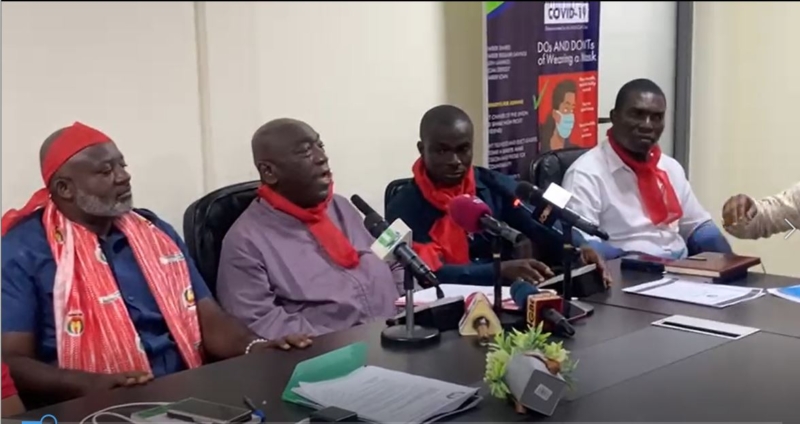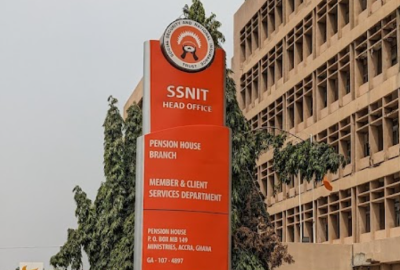
The Concerned SSNIT Pensioners Forum has acknowledged the announced 10 percent average pension increment for 2026 but insists the adjustment is insufficient to address the economic hardships confronting retired workers, particularly those receiving the lowest pensions.
In a statement, the Forum argued that percentage increases, without a clearly defined and realistic minimum living pension, fail to protect the dignity and welfare of older Ghanaians. According to the group, the latest adjustment does little to improve the living conditions of pensioners struggling to meet basic needs.
The Forum recalled that it submitted a formal petition to the Social Security and National Insurance Trust (SSNIT) on November 19, 2025, calling for urgent reforms. The petition, which was also copied to the Ministers of Finance and Employment and Labour Relations, as well as the Chief Executive of the National Pensions Authority, urged authorities to raise the minimum pension to a level that supports basic survival and to address what it described as persistent inequities in annual pension indexation.
According to the group, it proposed that SSNIT restore some of the value eroded by inflation by increasing the minimum monthly pension to GH¢600 and approving an average increment of between 15 and 20 percent. It noted that the 2025 minimum pension of GH¢396.58 was grossly inadequate, stressing that some pensioners could not even afford essential medication and were forced to rely on family and friends to survive.
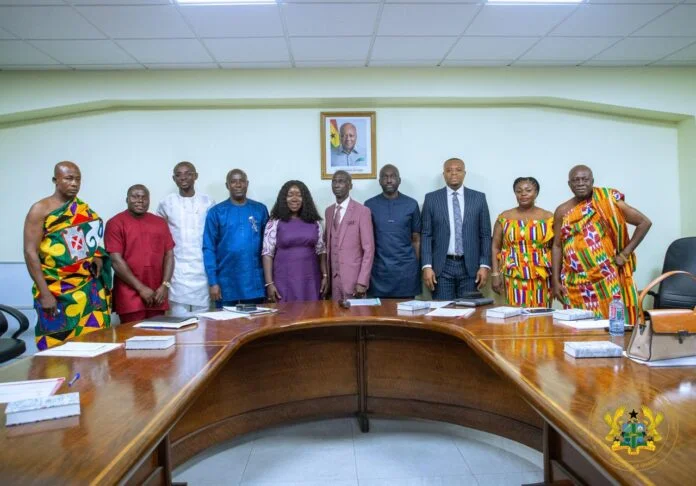
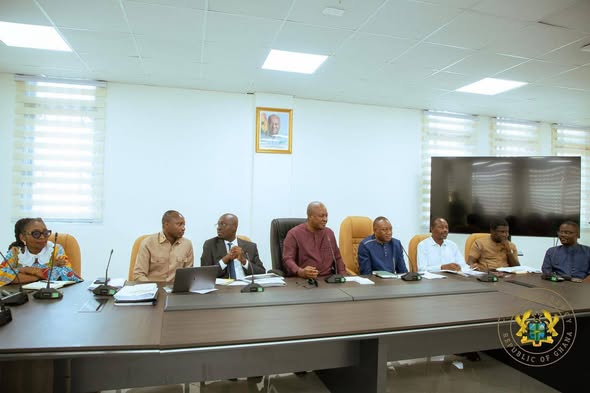
The Forum disclosed that it met with SSNIT officials on December 10, 2025, during which it was assured that its concerns would be forwarded to the relevant approving authorities. However, the group is now calling on SSNIT to clarify what it describes as inconsistencies in public communication regarding the minimum pension figures for 2025 and 2026, and to clearly explain how the minimum pension is determined in Ghana.
Beyond technical discussions about indexation rates, the Forum warned that many pensioners continue to struggle with the cost of food, medicine, and basic healthcare, conditions it says undermine the dignity of retired workers.
The group argued that national discourse on pensions should move beyond percentage increases and focus instead on whether pension incomes can sustain a decent standard of living.
It is therefore calling for a broad national dialogue involving SSNIT, government policymakers, organised labour, pensioner associations, economists, and civil society organisations to agree on a realistic national minimum pension and to build a more equitable and sustainable pension system.
Discover more from Hot Stories Ghana
Subscribe to get the latest posts sent to your email.