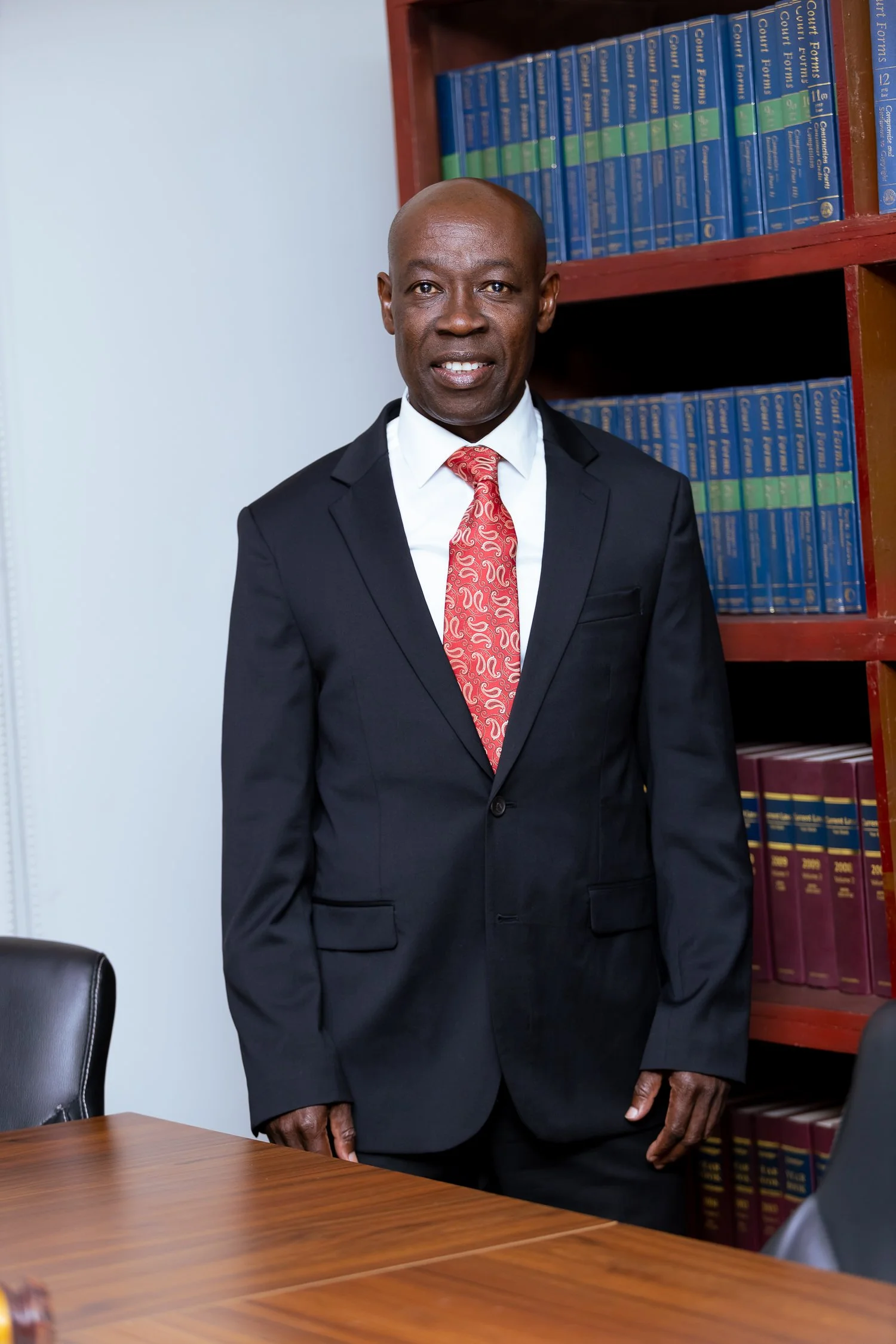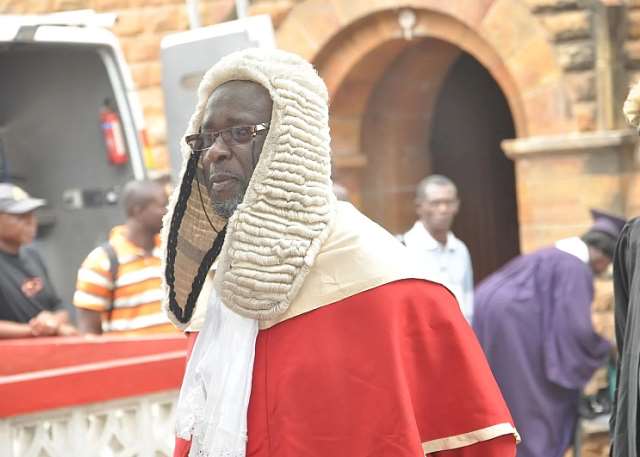
Ghana’s Chief Justice, Justice Paul Baffoe-Bonnie, has outlined a broad reform agenda aimed at tackling congestion in the courts, speeding up trials, and improving access to justice across the country.
The reforms were announced during a courtesy visit to Vice President Professor Naana Jane Opoku-Agyemang, where officials of the Judiciary reviewed their performance over the past year and shared plans for 2026.
At the heart of the proposed changes is a restructuring of court sittings. The Chief Justice said courts will begin operating in split sessions, with proceedings held in both the morning and afternoon to allow more cases to be heard daily and reduce long delays.
He also revealed that the Judiciary will deepen the use of Alternative Dispute Resolution, encouraging parties to settle suitable cases outside the traditional courtroom. According to him, this approach will ease pressure on judges while providing faster outcomes for litigants.
In response to the growing threat of illegal mining, Justice Baffoe-Bonnie announced plans to establish dedicated courts to handle galamsey-related offences. These specialised courts, he explained, will focus exclusively on illegal mining cases to ensure swift and effective prosecution.
The Chief Justice further disclosed that a comprehensive review of the Rules of Court is underway. The revised rules, expected to take effect in March 2026, are intended to simplify procedures and remove technical delays that often slow down the justice process.
Beyond case management, the Judiciary is also looking at reforms in legal education. Justice Baffoe-Bonnie said proposals are being considered to decentralise the Ghana Law School entrance examination by accrediting selected universities to conduct a uniform nationwide exam.
He also highlighted infrastructure and security concerns at the Supreme Court Complex, noting that the current facilities are overstretched. Plans are therefore being developed for a new complex to improve security and provide adequate working space for judges and staff.
In addition, the Judiciary is accelerating the rollout of its E-Justice system, which is expected to strengthen digital case management and make court services more accessible to the public.
Vice President Prof Naana Jane Opoku-Agyemang welcomed the reform agenda and praised the Judiciary for taking practical steps to address delays in the justice system. She reaffirmed the government’s commitment to supporting initiatives that enhance efficiency and public trust in the courts.
Discover more from Hot Stories Ghana
Subscribe to get the latest posts sent to your email.