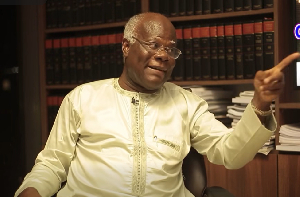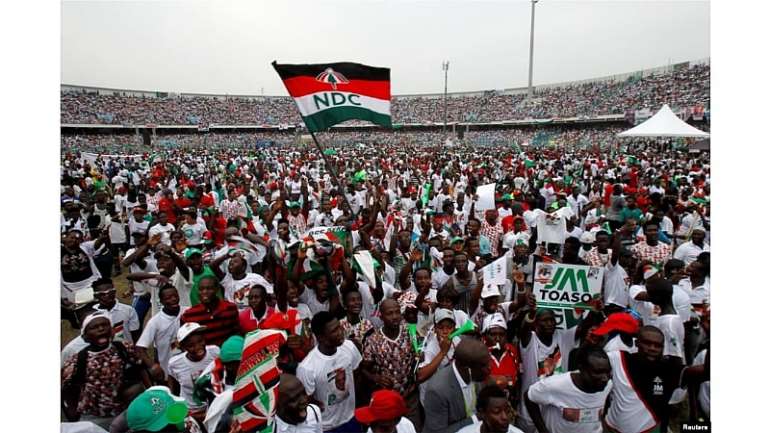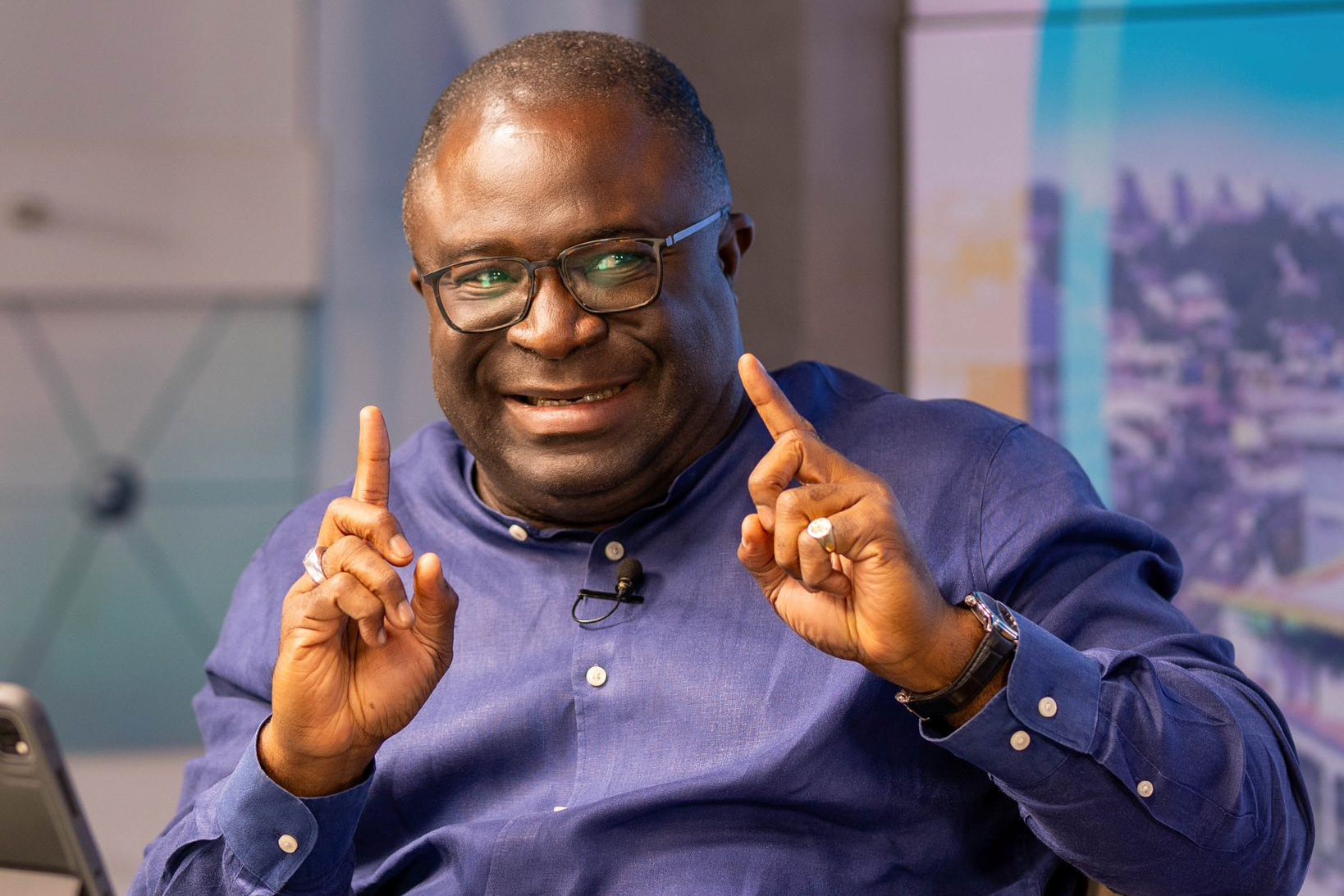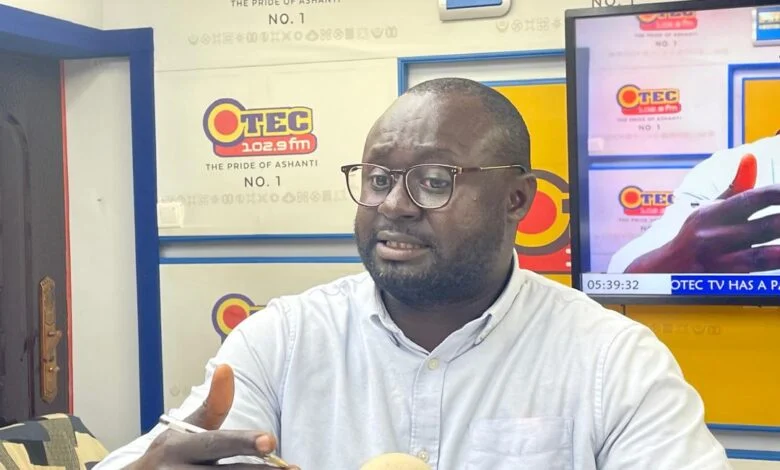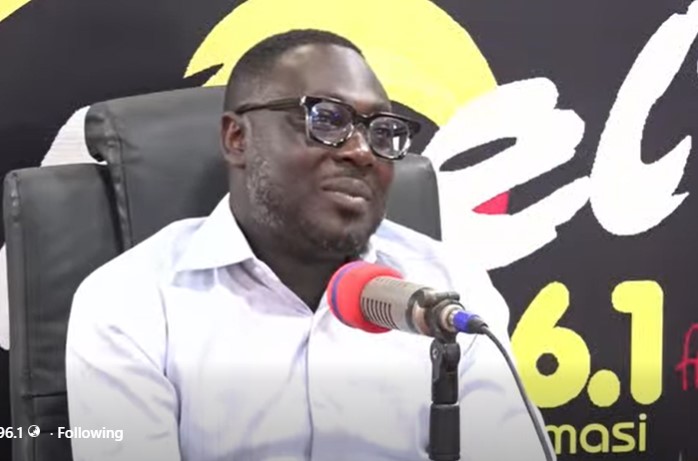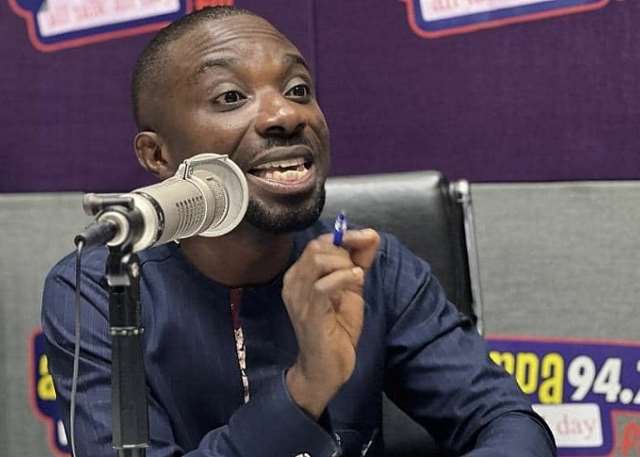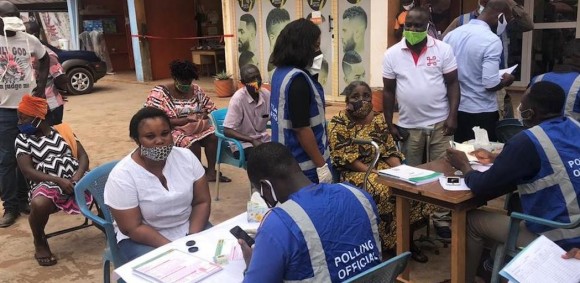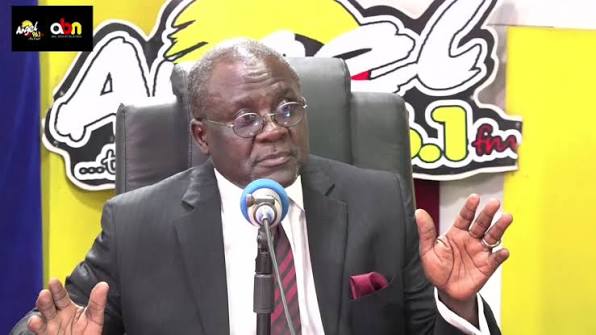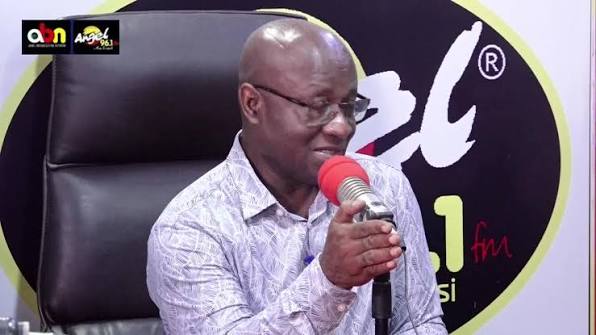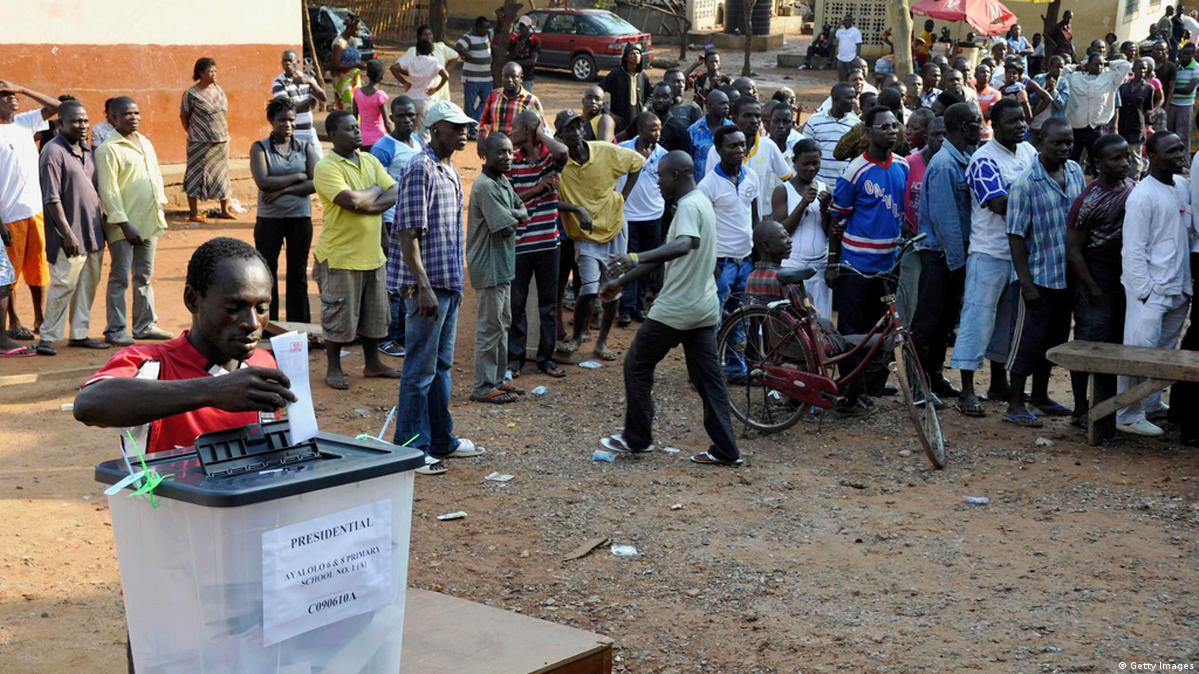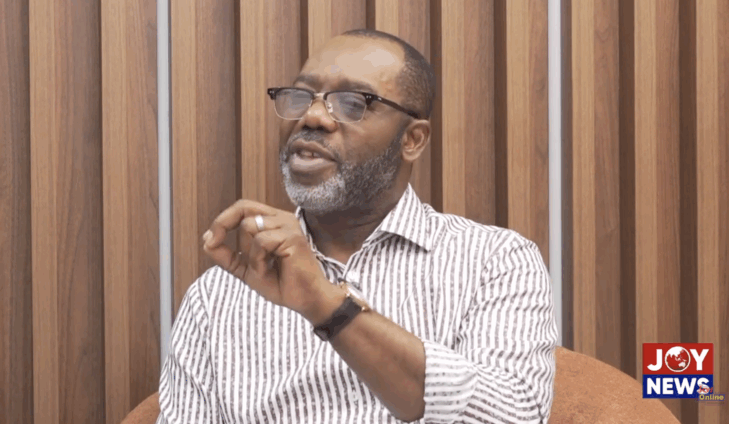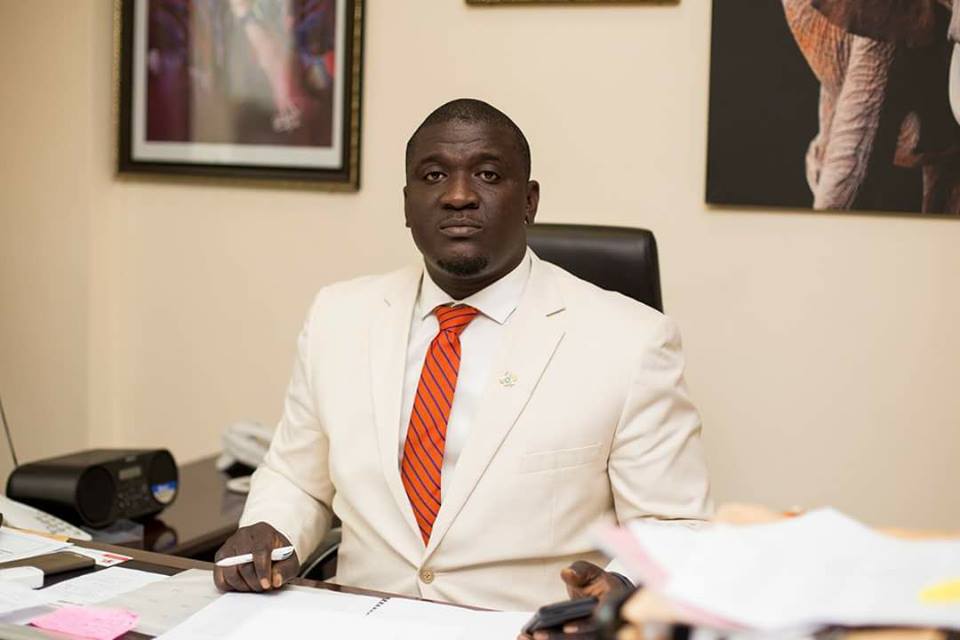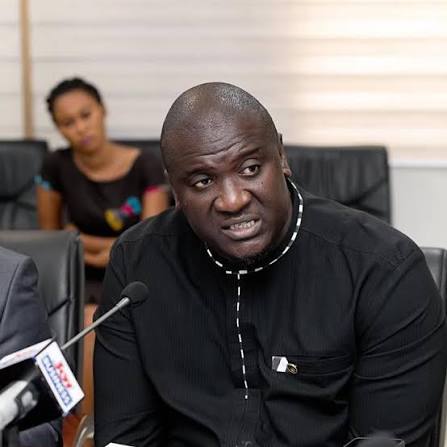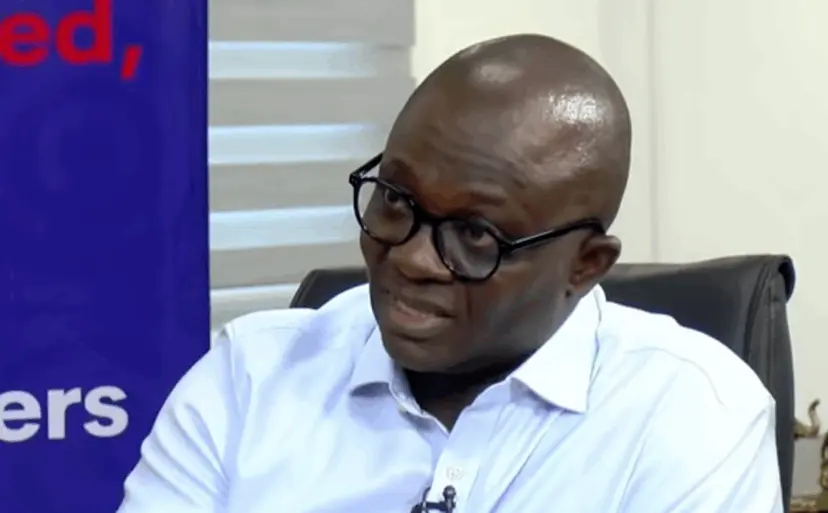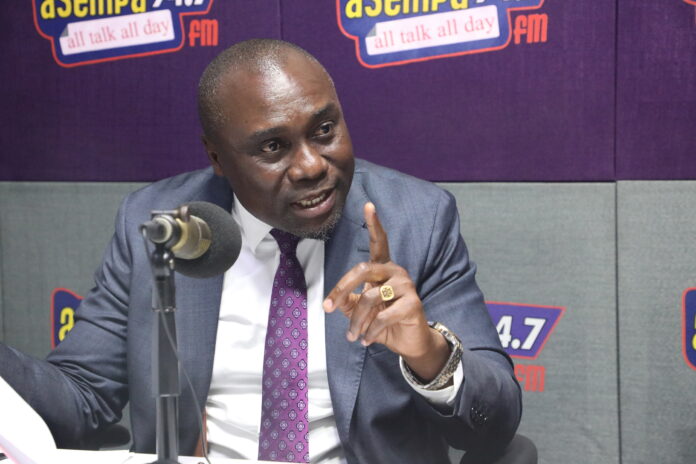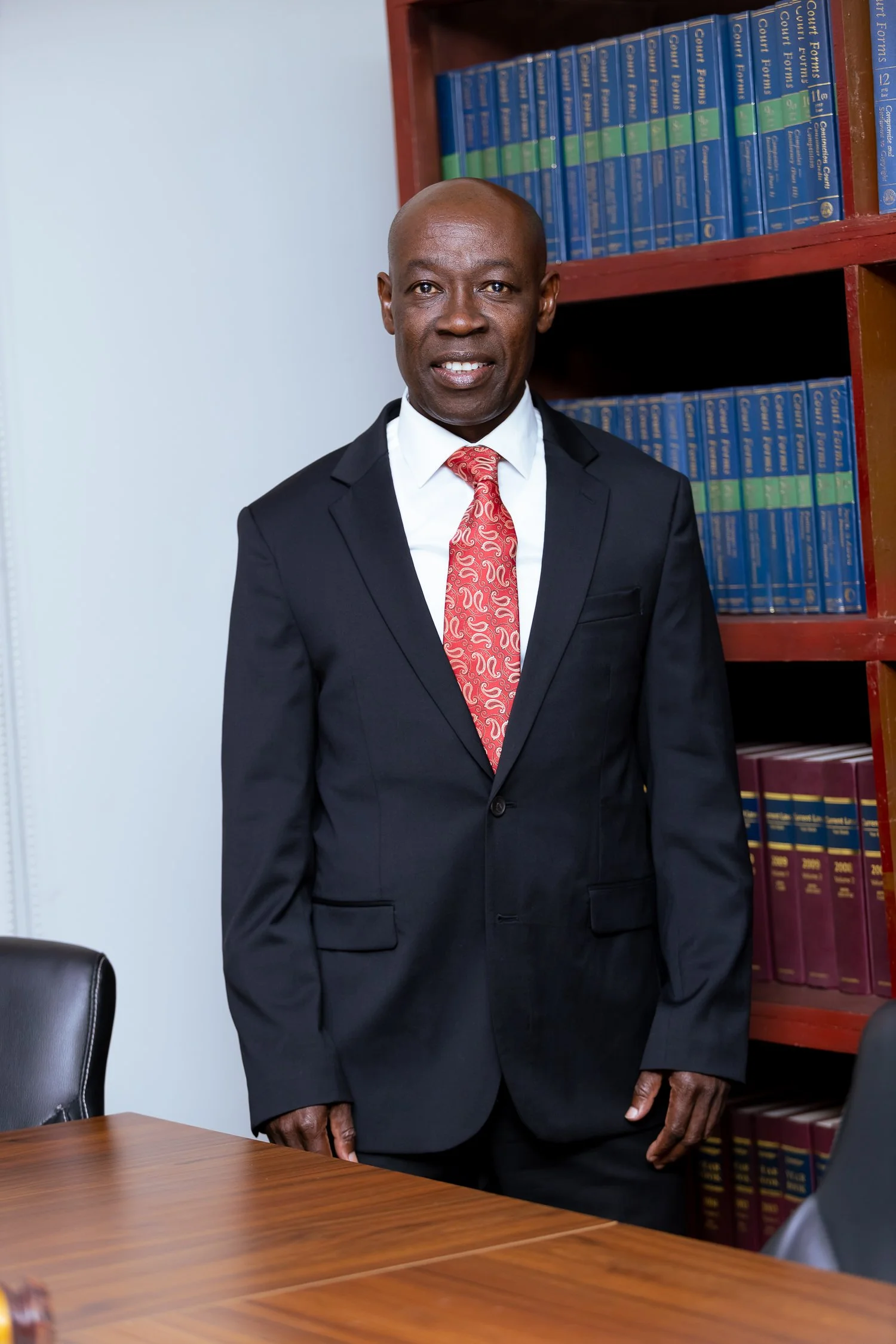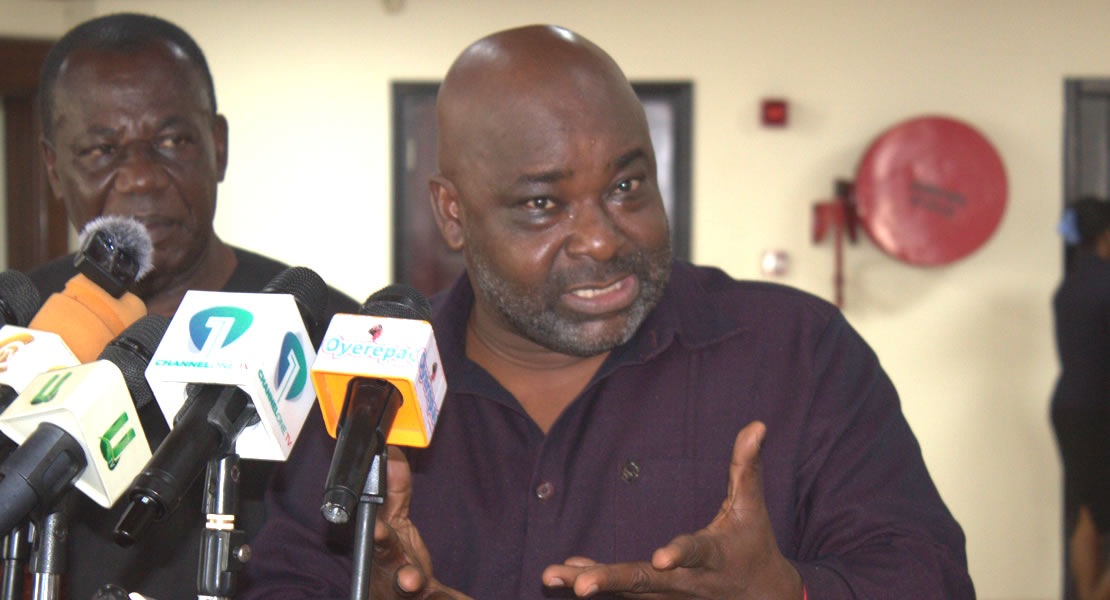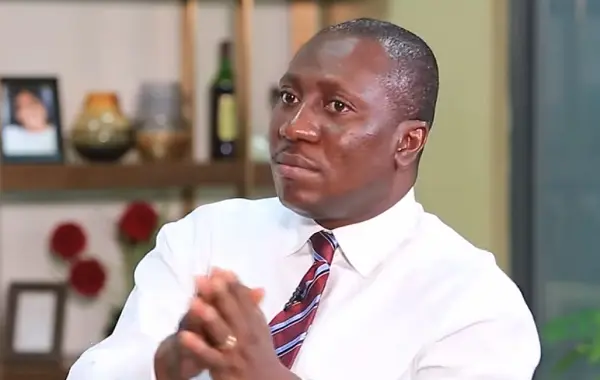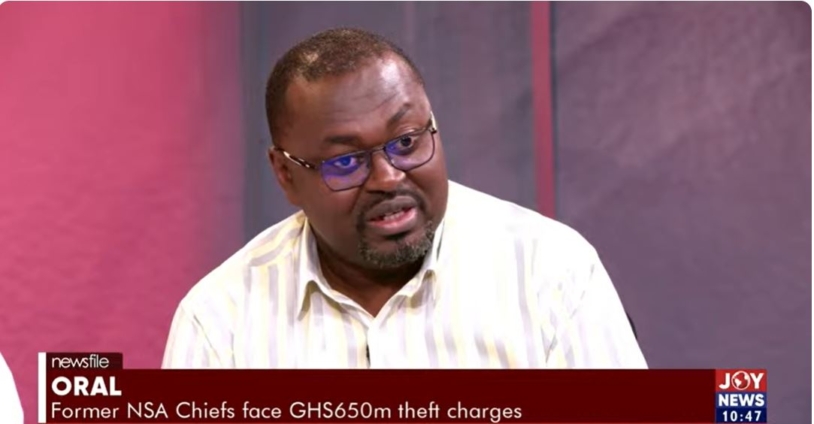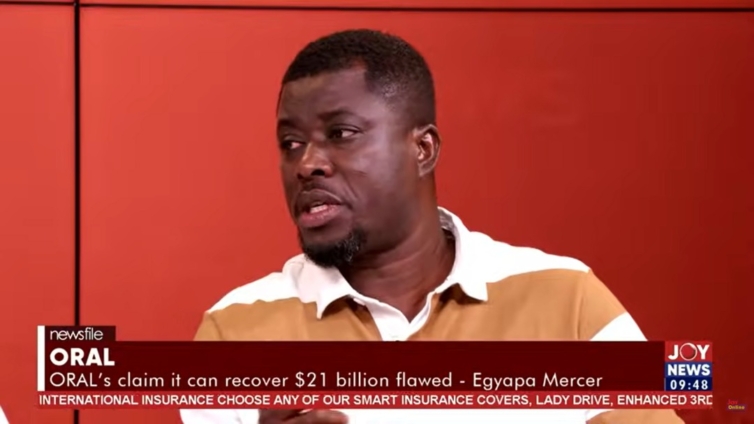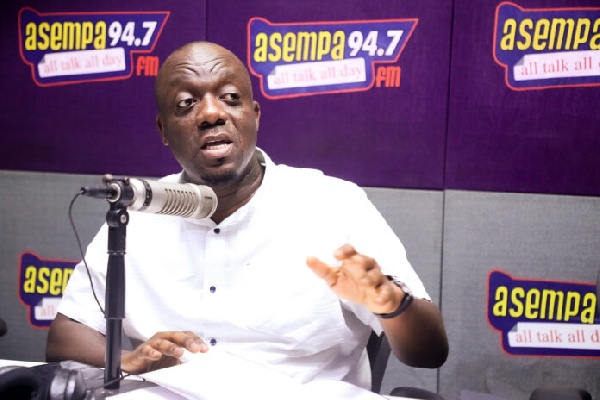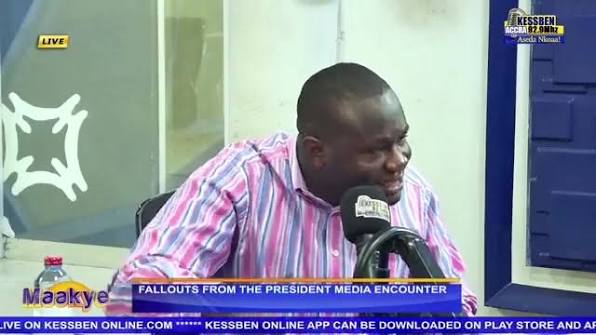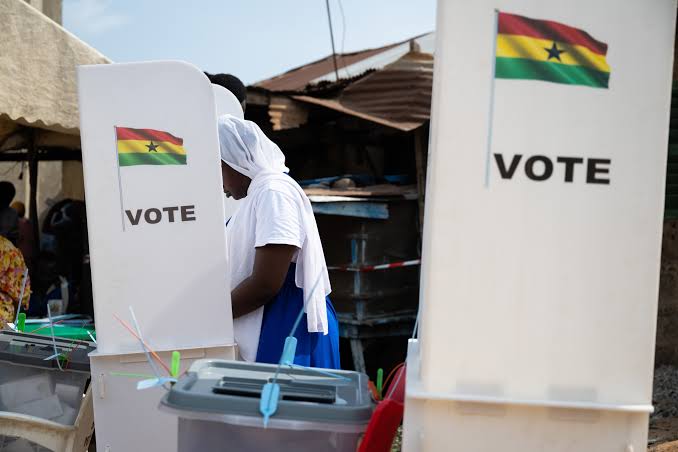
The Convener of Election Watch Ghana, Mr. Mark Ewusi Arkoh, has warned that Ghana’s delegates system is steadily losing its integrity, arguing that it has effectively been converted into a mechanism for vote buying.
Speaking in an interview, Mr. Arkoh said although there is no law requiring candidates to pay transport fares for delegates, the practice has become widespread, further entrenching monetisation in the electoral process.
“There is no law that mandates candidates to pay transport fares, but they do it anyway,” he stated, describing the trend as one of the clearest signs that the system is being abused.
He traced part of the problem to the weakening of civic education, recalling the critical role previously played by the National Commission for Civic Education (NCCE) in teaching Ghanaians that voting is a civic responsibility, not a transaction.
“The NCCE used to teach us that elections are our civic responsibility,” he said. “Their work was very important, but both the previous government and the current one have failed to give them the attention and resources they need.”
According to Mr. Arkoh, the lack of adequate funding and logistical support for the NCCE has undermined efforts to promote accountability and civic consciousness among citizens.
He called on the government to urgently resource the commission, stressing that a well-funded NCCE would empower citizens to demand accountability and ensure responsible use of public resources.
“The government must provide them with resources so they can teach Ghanaians to be accountable and to hold government responsible,” he urged.
Beyond electoral issues, Mr. Arkoh also highlighted broader governance challenges, describing the current system as deeply problematic. He pointed to rising transport fares in Kumasi and questioned the effectiveness of institutions responsible for regulating such matters.
“Transport fares are increasing in Kumasi, yet the institutions that are supposed to address these issues are not working,” he noted.
He further criticised inefficiencies within the public sector, alleging that some government workers continue to receive salaries without actively working, with no apparent consequences.
“Some government workers are being paid without working, and nothing is being done about it,” he said.
Mr. Arkoh concluded that without systemic reforms, strong institutions, and renewed commitment to civic education, the credibility of Ghana’s democratic processes will continue to be undermined.
Discover more from Hot Stories Ghana
Subscribe to get the latest posts sent to your email.