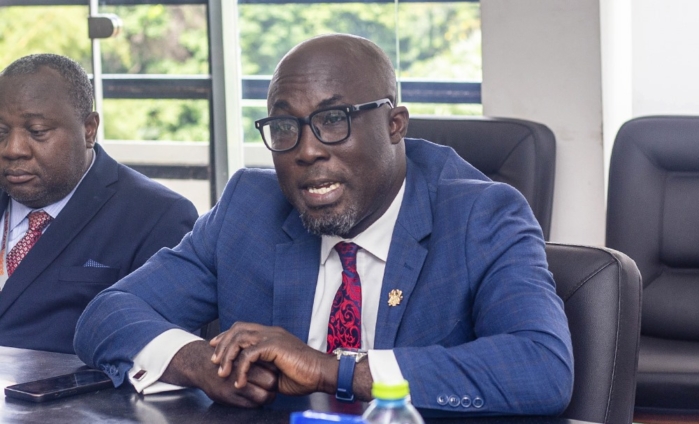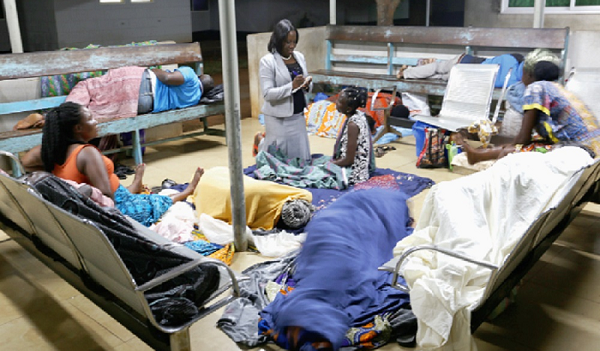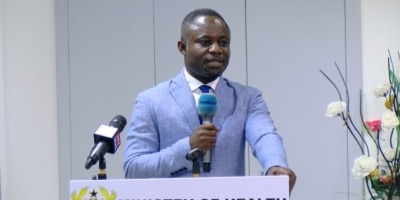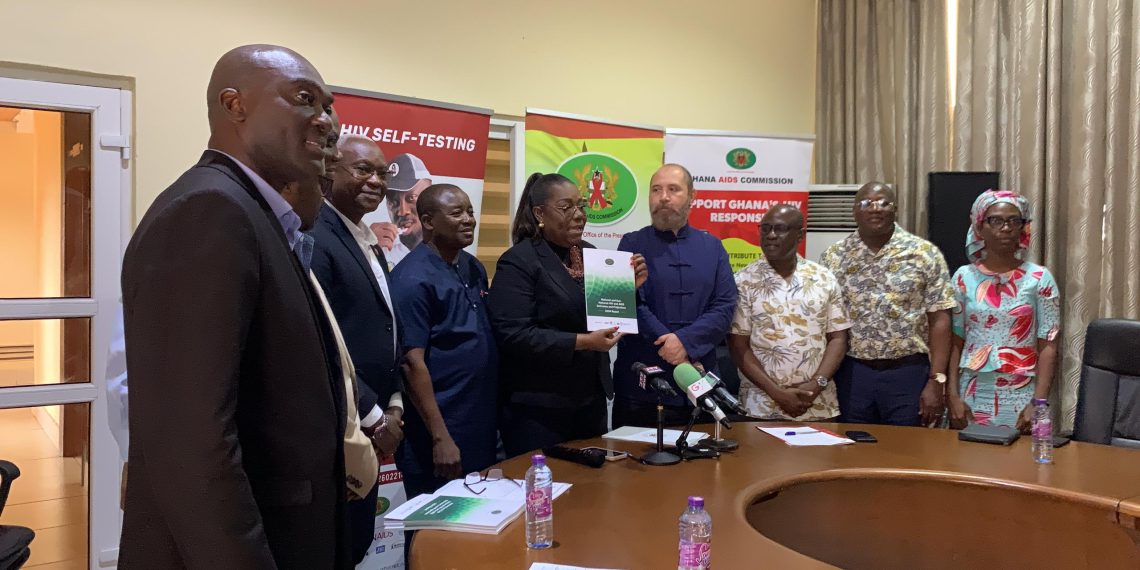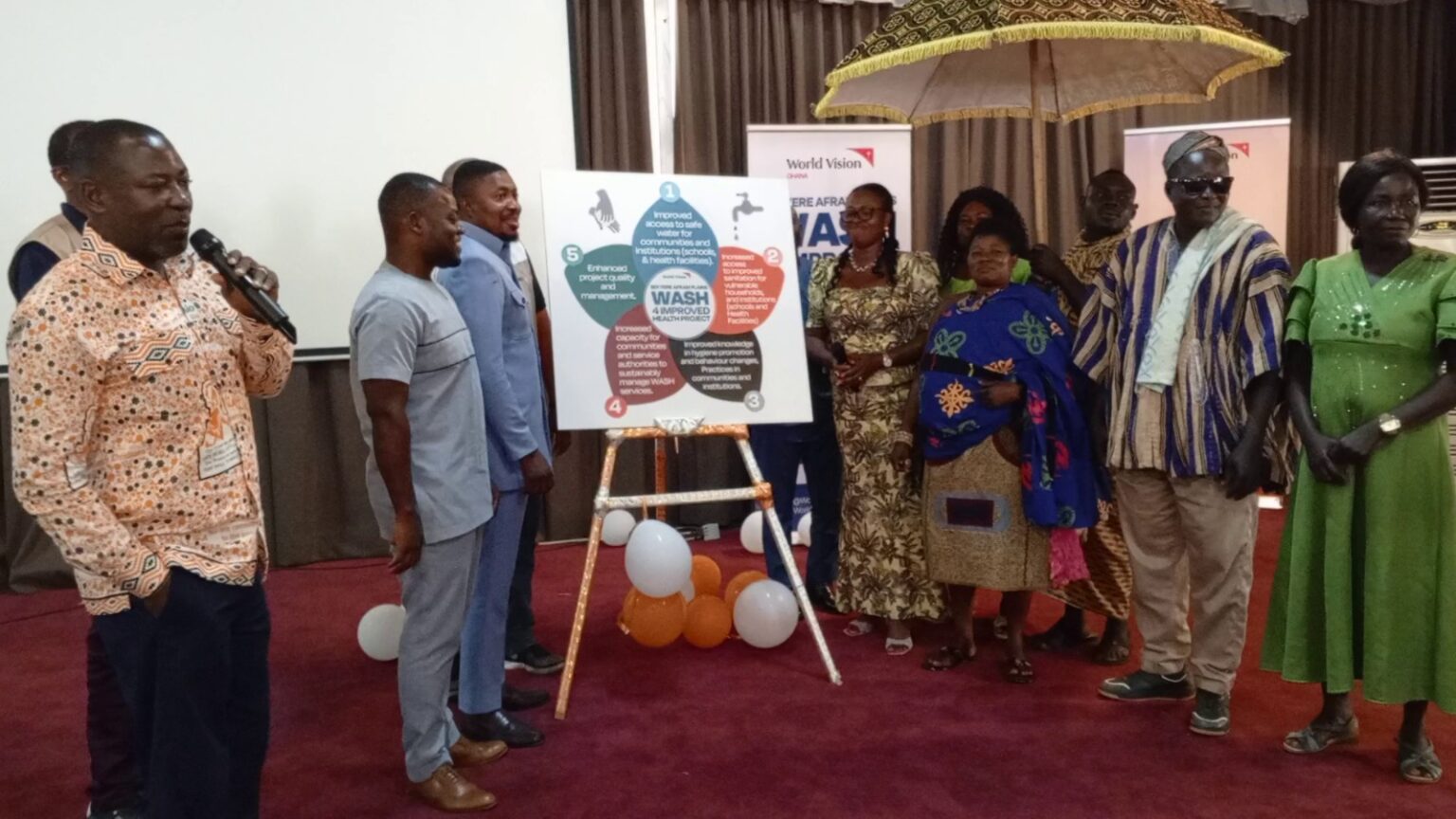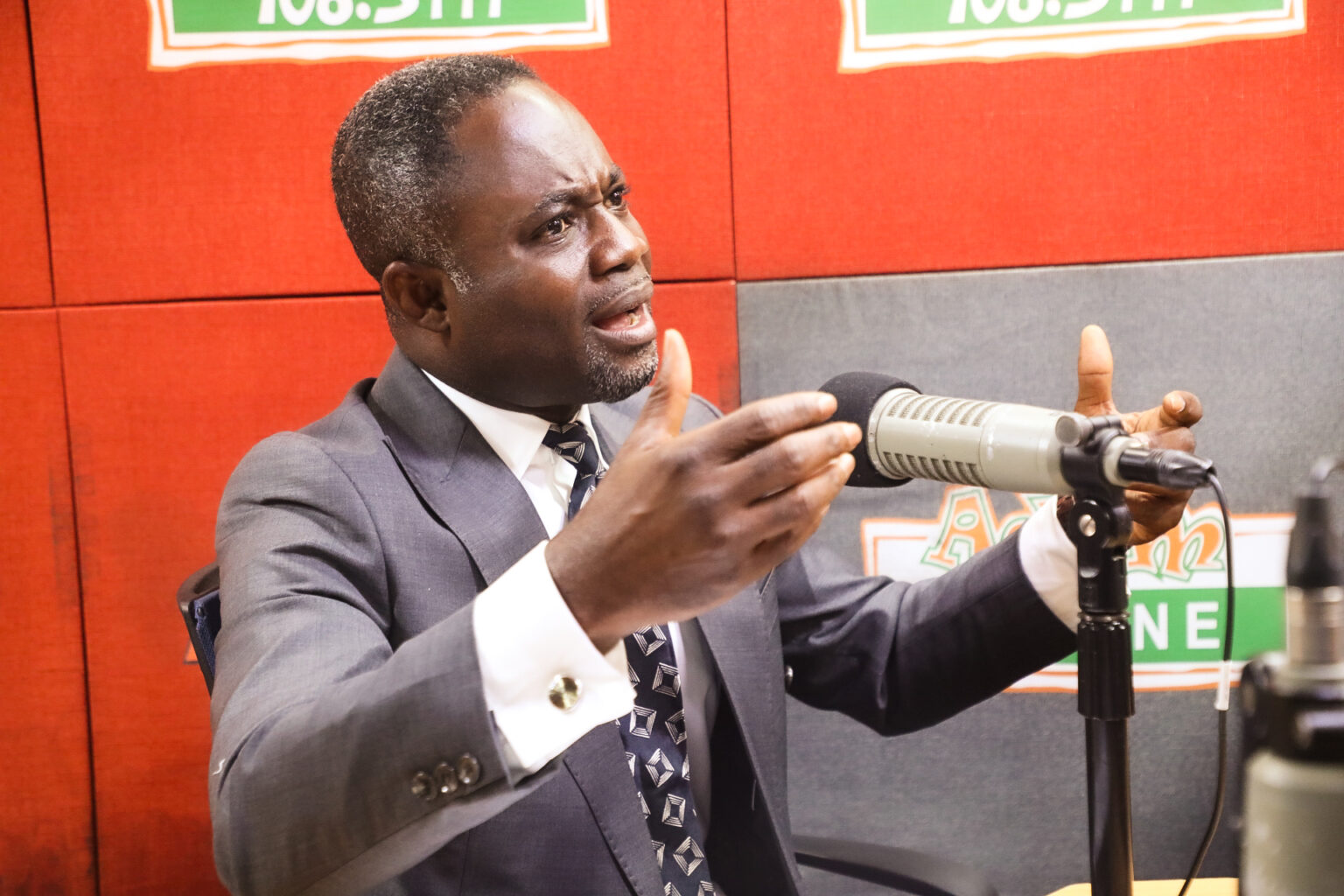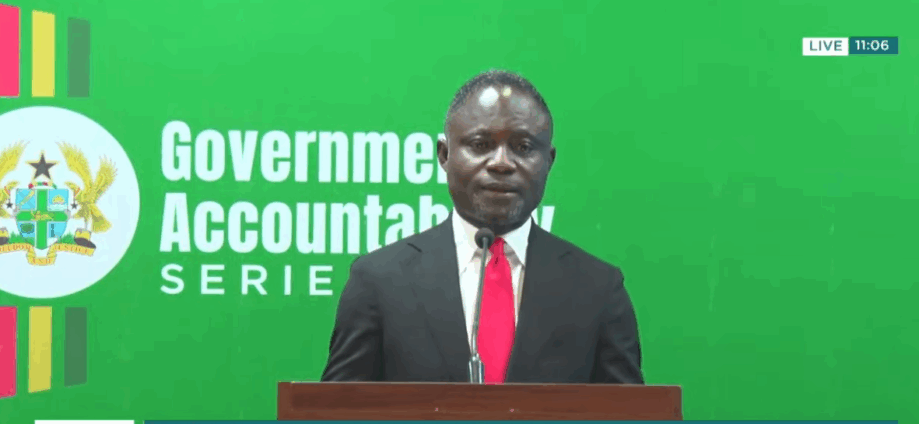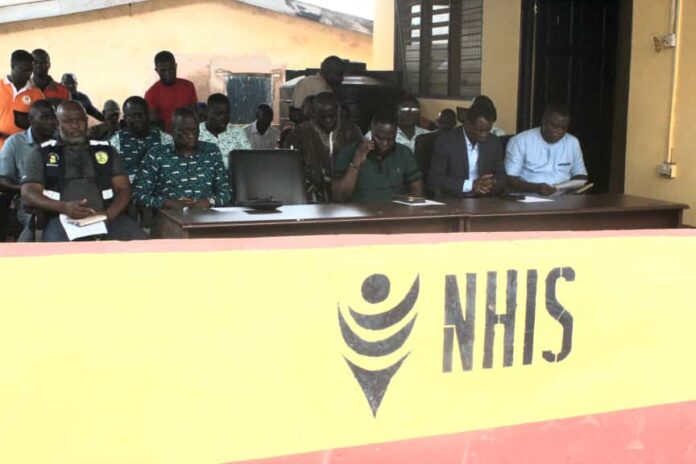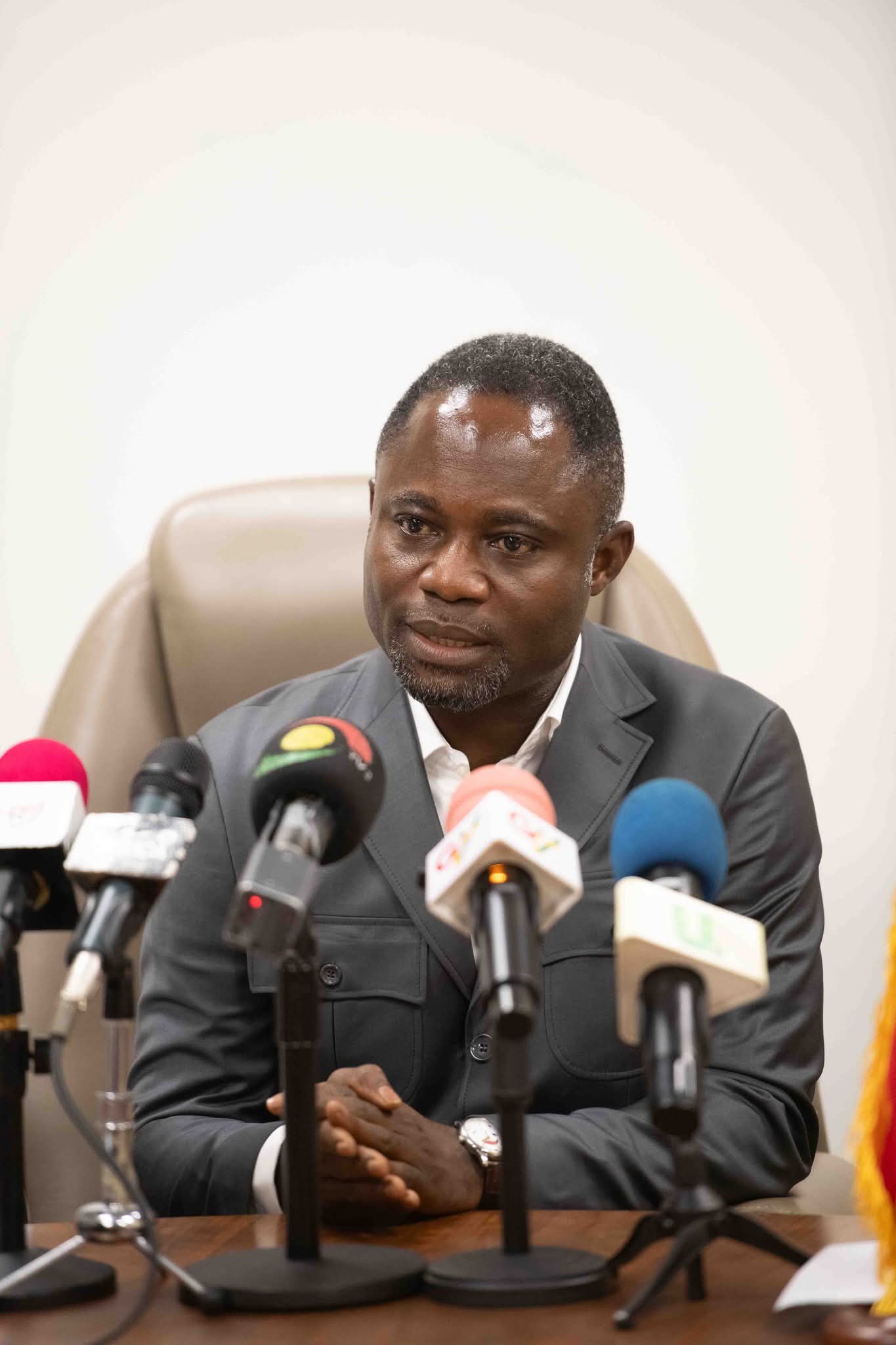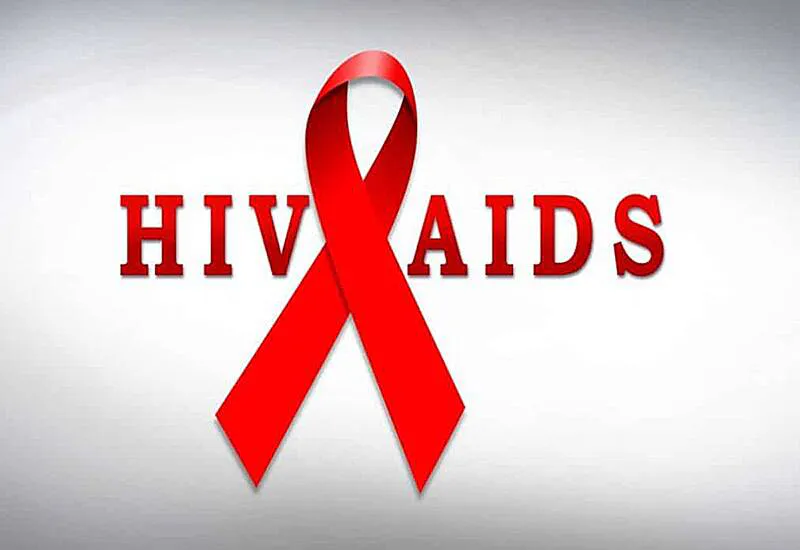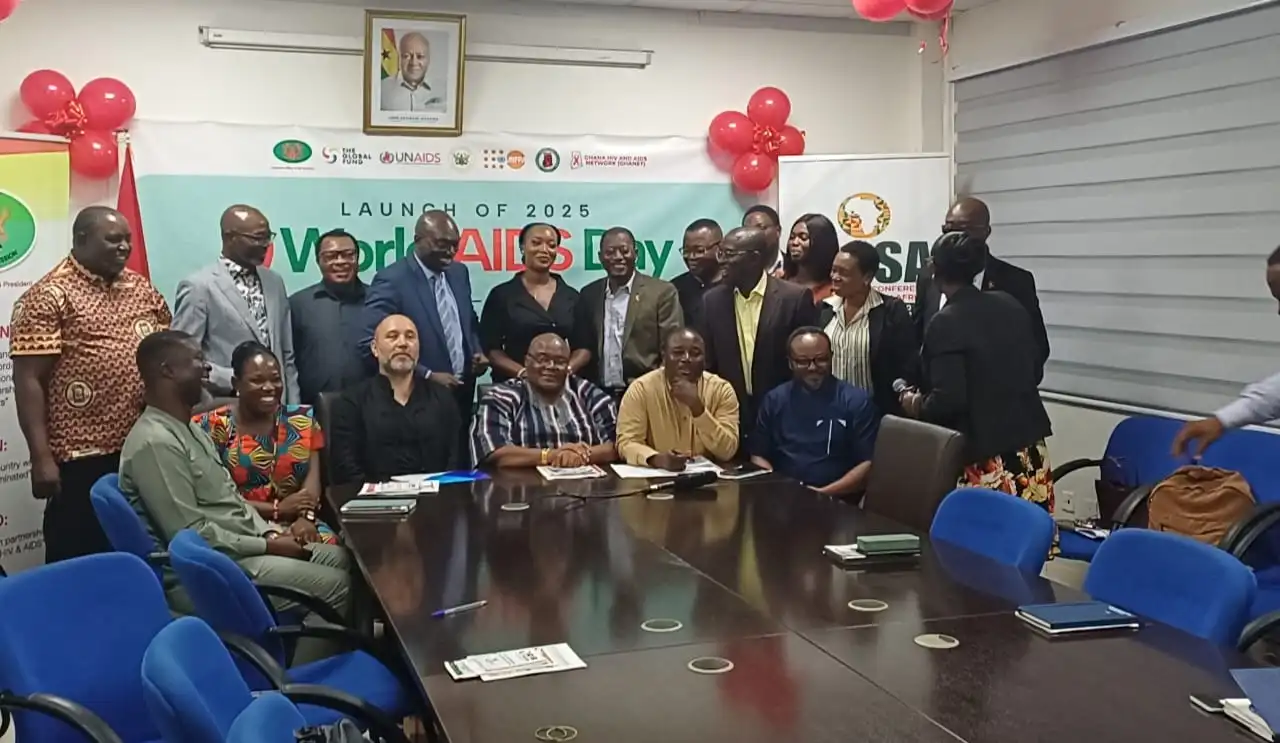
As global health priorities shift and international donor support continues to wane, Ghanaian authorities are being urged to take full ownership of the country’s HIV response to ensure its long-term sustainability. This call was made by Kakra Essamuah, Chairman of the Ghana AIDS Commission (GAC) Governing Board, during the launch of the 2025 World AIDS Day in Accra on Tuesday.
Mr. Essamuah emphasized that the future of HIV programming in Ghana depends on the country’s ability to mobilize domestic resources, strengthen partnerships, and sustain political, financial, and social commitment to ending AIDS as a public health threat. He noted that while donor funding had played a pivotal role in the past, Ghana must now build internal systems capable of maintaining progress even in the face of reduced global support.
“The private sector must rise to the challenge by investing in workplace HIV programmes, supporting awareness and testing campaigns,” Mr. Essamuah urged, stressing that HIV affects not only public health but also workforce productivity and economic growth.
Shifting Global Priorities and Local Responsibility
Acting Director-General of the Ghana AIDS Commission, Dr. Kharmacelle Prosper Akanbong, echoed the Chairman’s sentiments, saying that Ghana must adapt to emerging global economic realities. He noted that the country’s HIV response has faced significant disruptions in recent years, from funding constraints and competing health emergencies to evolving social challenges.
“Our HIV response has encountered significant disruptions: funding constraints, shifting global priorities, competing health emergencies, and evolving social dynamics,” Dr. Akanbong stated. He explained that these disruptions have underscored the need for innovation, self-reliance, and domestic leadership in tackling HIV and AIDS.
He appealed to citizens and organizations to contribute to the National HIV and AIDS Fund, which was established to support sustainable financing for HIV prevention, treatment, and education initiatives. “Ghana must mobilize, innovate, and lead the HIV response,” he declared.
Tackling Stigma and Promoting Inclusion
Dr. Akanbong also spoke strongly against stigma and discrimination directed at persons living with HIV, describing such attitudes as counterproductive to national efforts. He reminded Ghanaians that HIV is now a manageable health condition, thanks to advancements in antiretroviral therapy.
“HIV is a health condition that is manageable, and people living with HIV have the right to dignity, respect, and full participation in society,” he said, calling for compassion and inclusion across all sectors.
The GAC has outlined plans to work with civil society organizations, local governments, and development partners to sustain progress in HIV prevention, focusing particularly on community-level education, treatment access, and stigma reduction.
World AIDS Day 2025: Renewing Commitment
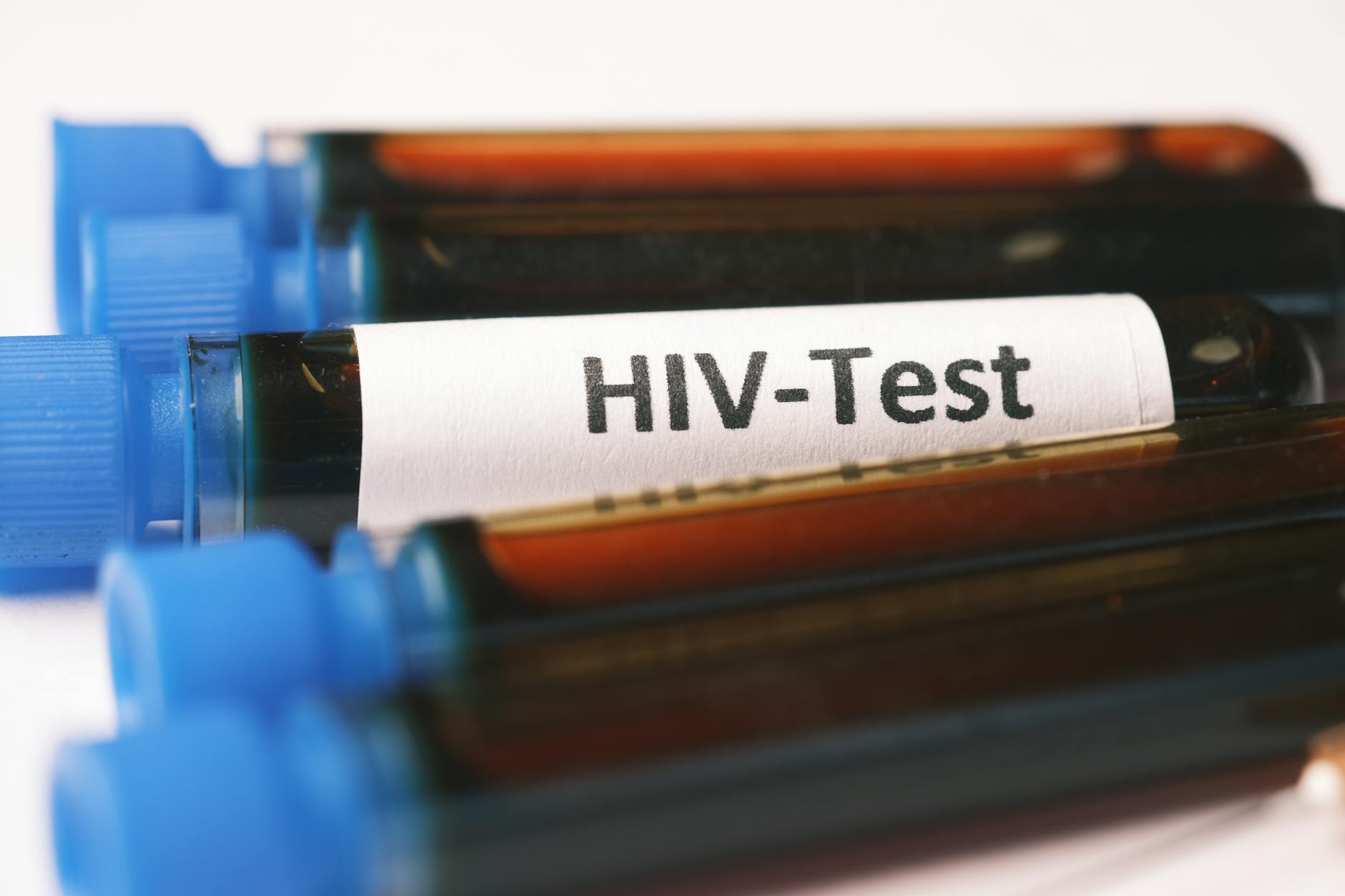
This year’s World AIDS Day, observed under the global theme “Overcoming Disruption, Transforming the AIDS Response,” reflects Ghana’s determination to confront its current challenges with renewed energy and strategic vision. The theme resonates deeply with Ghana’s situation, as the nation navigates reduced donor funding and seeks to accelerate domestic action toward achieving the UN 95-95-95 targets, where 95% of people living with HIV know their status, 95% receive treatment, and 95% achieve viral suppression.
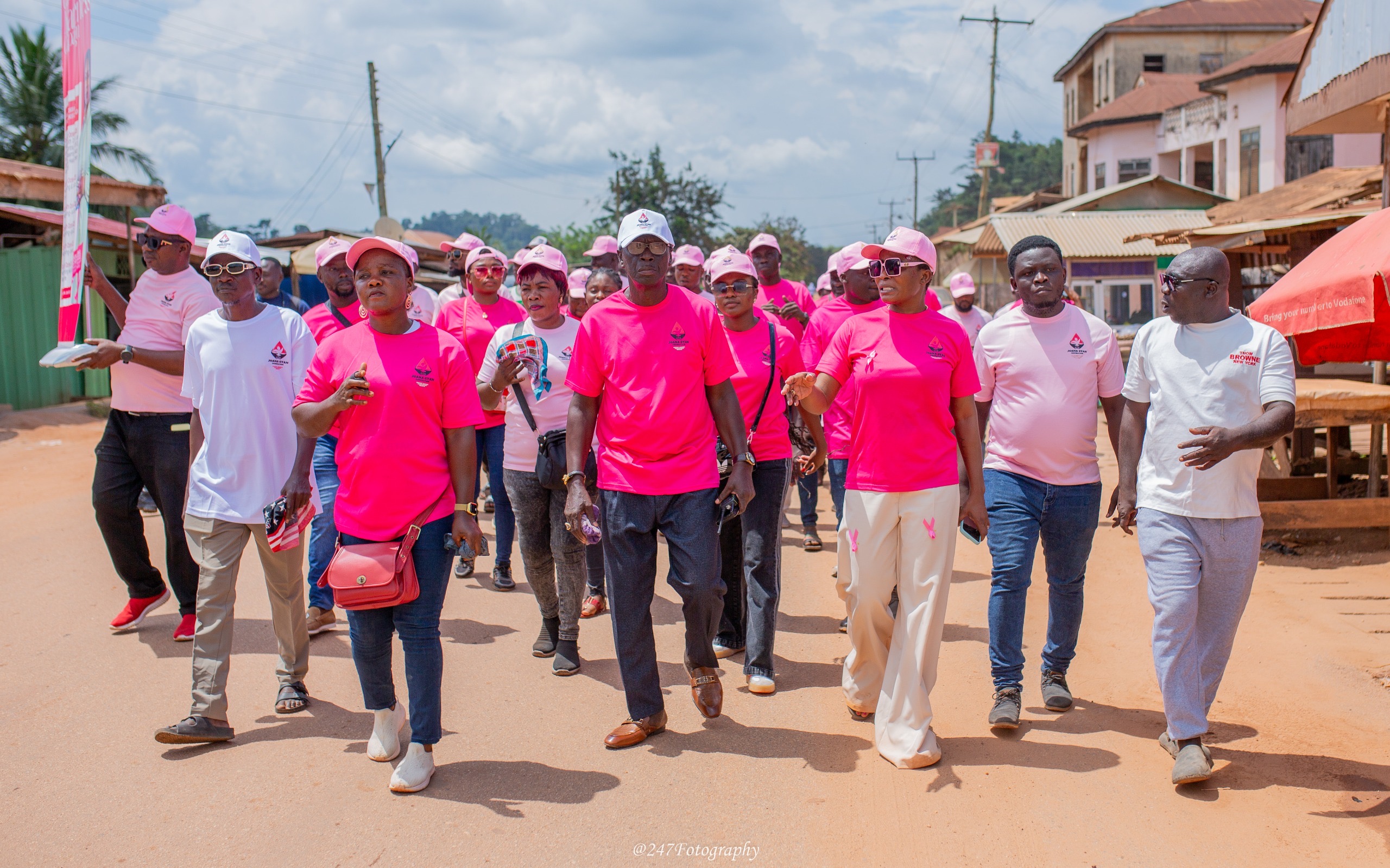
Throughout November, the Ghana AIDS Commission will intensify public education and outreach, focusing on voluntary testing, early treatment, and condom distribution. The initiative will leverage community networks and media platforms to reach vulnerable populations, including the youth and rural communities.
Metropolitan, Municipal, and District Assemblies have also been urged to support these local efforts by integrating HIV prevention into their health and social programmes.
A Call to Action
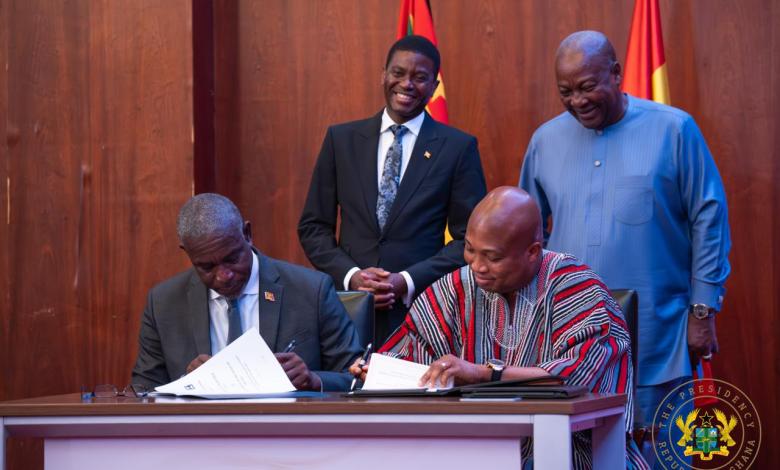
The 2025 World AIDS Day celebration will culminate on Monday, December 1, 2025, with a national address by President John Dramani Mahama, reaffirming Ghana’s commitment to ending AIDS as a public health threat by 2030.
The message from this year’s launch is clear: while international assistance remains valuable, Ghana’s HIV response must increasingly be Ghana-led, Ghana-funded, and Ghana-driven. With sustained commitment from government, the private sector, and citizens alike, the nation can transform its fight against HIV, not just as a health agenda, but as a cornerstone of social and economic resilience.
Discover more from Hot Stories Ghana
Subscribe to get the latest posts sent to your email.