Guinea’s political journey under Mamadi Doumbouya has taken a dramatic turn, as the former military ruler has now been sworn in as the country’s civilian president following a decisive election victory.
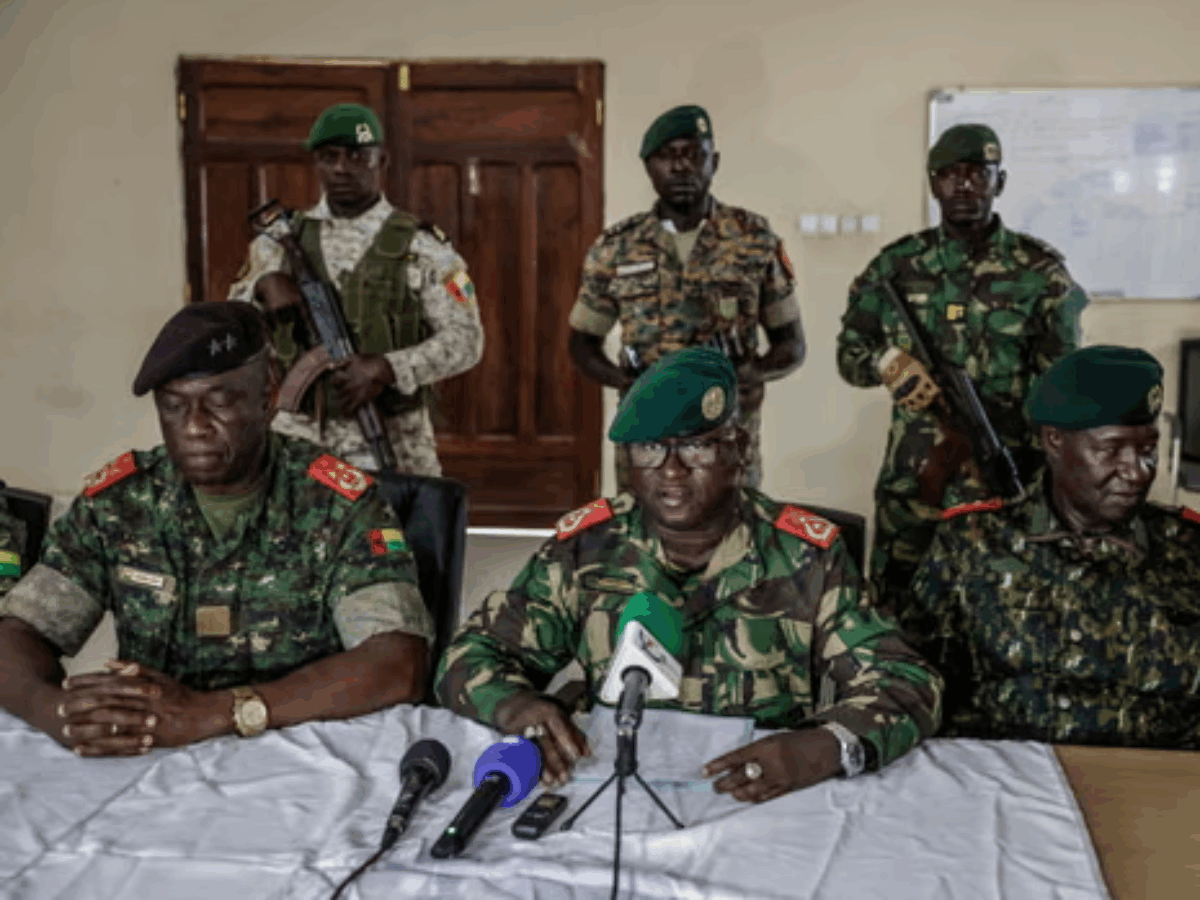
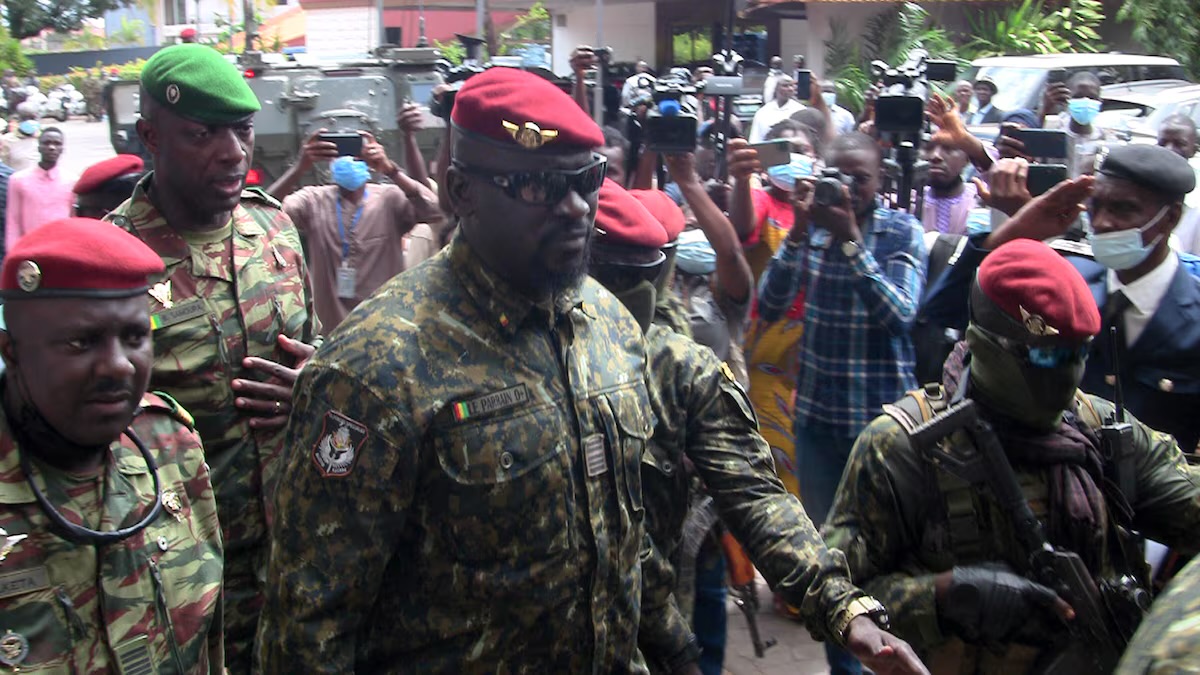
Doumbouya first rose to national prominence in September 2021, when he led a military takeover that removed President Alpha Condé from office. At the time, the young and imposing army officer appeared before the nation in full military attire, declaring that the existing government had abandoned democratic principles and failed the people.
More than four years later, the man who once ruled in uniform has reintroduced himself to Guineans in a very different image. Having won 87 percent of the vote in the December presidential election, Doumbouya, now 41, was officially sworn in on Saturday as Guinea’s elected head of state.
Public appearances from the presidency reflect this shift. The former colonel, now a general, is rarely seen in combat fatigues. Instead, he often appears in tracksuits, baseball caps or traditional Guinean clothing, attending school openings, inspecting infrastructure projects and engaging directly with citizens.
Analysts say the transformation is deliberate. According to security expert Beverly Ochieng, the president is “projecting himself as a civilian leader who is close to the people,” a move aimed at distancing his leadership from its military origins.
However, questions remain about how deep that transition truly runs. Critics argue that while the appearance has changed, the governing style has not entirely followed suit. Opposition figures, including exiled former Prime Minister Cellou Dalein Diallo, have dismissed the election as lacking credibility, describing it as “stage-managed” and unfair.
Human rights groups have also expressed concern over continued restrictions on political activity, including bans on demonstrations, the exclusion of major challengers from the election and the unexplained disappearance of activists and journalists.
Researcher Aïssatou Kanté believes the military influence is still present. She argues that “even without the uniform, power is still being exercised in a way that reflects military control rather than full civilian governance.”
Doumbouya’s career background reinforces those concerns. Before taking power, he spent years in elite military service, training in France, serving in the French Foreign Legion and participating in missions across Africa and beyond. That experience, observers say, continues to shape his leadership approach.
Despite criticism, the president retains notable public support. Surveys by Afrobarometer show a steady increase in trust toward Doumbouya between 2022 and 2024, suggesting that many Guineans approve of his leadership direction.
Much of that support appears tied to his strong emphasis on national sovereignty. In his speeches, Doumbouya frequently stresses Guinea’s right to control its political and economic future, particularly its vast mineral resources.
This message is central to his handling of the Simandou iron-ore project, one of the world’s largest untapped reserves. The government says revenue from the project will be channelled into roads, healthcare and education, offering long-term benefits for citizens.
His administration has also cancelled several mining contracts it believes failed to serve Guinea’s interests, reinforcing a resource-focused nationalist agenda. Analysts say this has boosted his image locally, even as it creates tensions with foreign investors.
Unlike some military leaders elsewhere in West Africa, Doumbouya has avoided severing ties with traditional partners such as France or pivoting sharply toward new alliances, opting instead for a balanced and pragmatic foreign policy.
As Guinea continues to grapple with poverty amid abundant natural wealth, expectations are high. Whether Doumbouya’s presidency marks a genuine break from military rule or merely a change in style will depend largely on how his government delivers on development, freedoms and accountability.
For now, the former coup leader is clearly intent on redefining his legacy, not as a soldier in command, but as a civilian president seeking legitimacy through performance rather than power.
Discover more from Hot Stories Ghana
Subscribe to get the latest posts sent to your email.