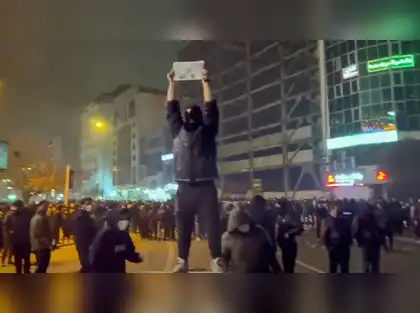
Iran’s Supreme Leader has publicly acknowledged, for the first time, that thousands of people lost their lives during the recent wave of protests that swept across the country. Speaking during a national address on Saturday, Ayatollah Ali Khamenei admitted that many deaths occurred, describing some of them as having happened in what he called “inhuman and savage ways.”
The protests, which began in late December over worsening economic conditions, quickly evolved into broader expressions of anger against Iran’s political leadership. According to figures released by the US-based Iranian Human Rights Activists News Agency, more than 3,000 people were killed during the unrest, though some activist groups argue that the true number may be significantly higher. Independent verification has been difficult due to a near-total internet blackout imposed across the country.
In his address, Khamenei placed responsibility for the violence on the United States, accusing Washington of fuelling instability. He described the US as an external force seeking to undermine Iran, stating that “America’s goal is to swallow Iran” and insisting that the country must be held accountable for its actions.
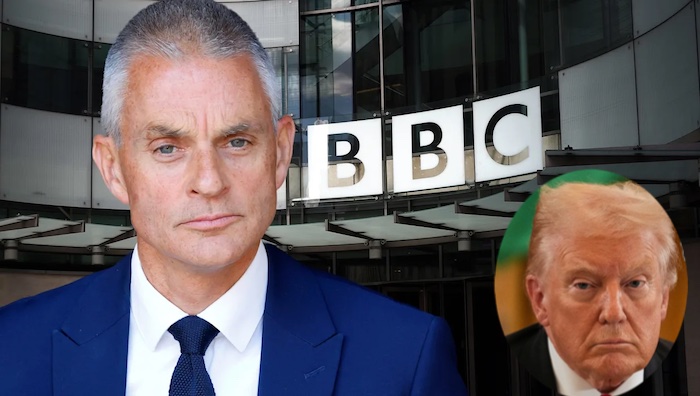
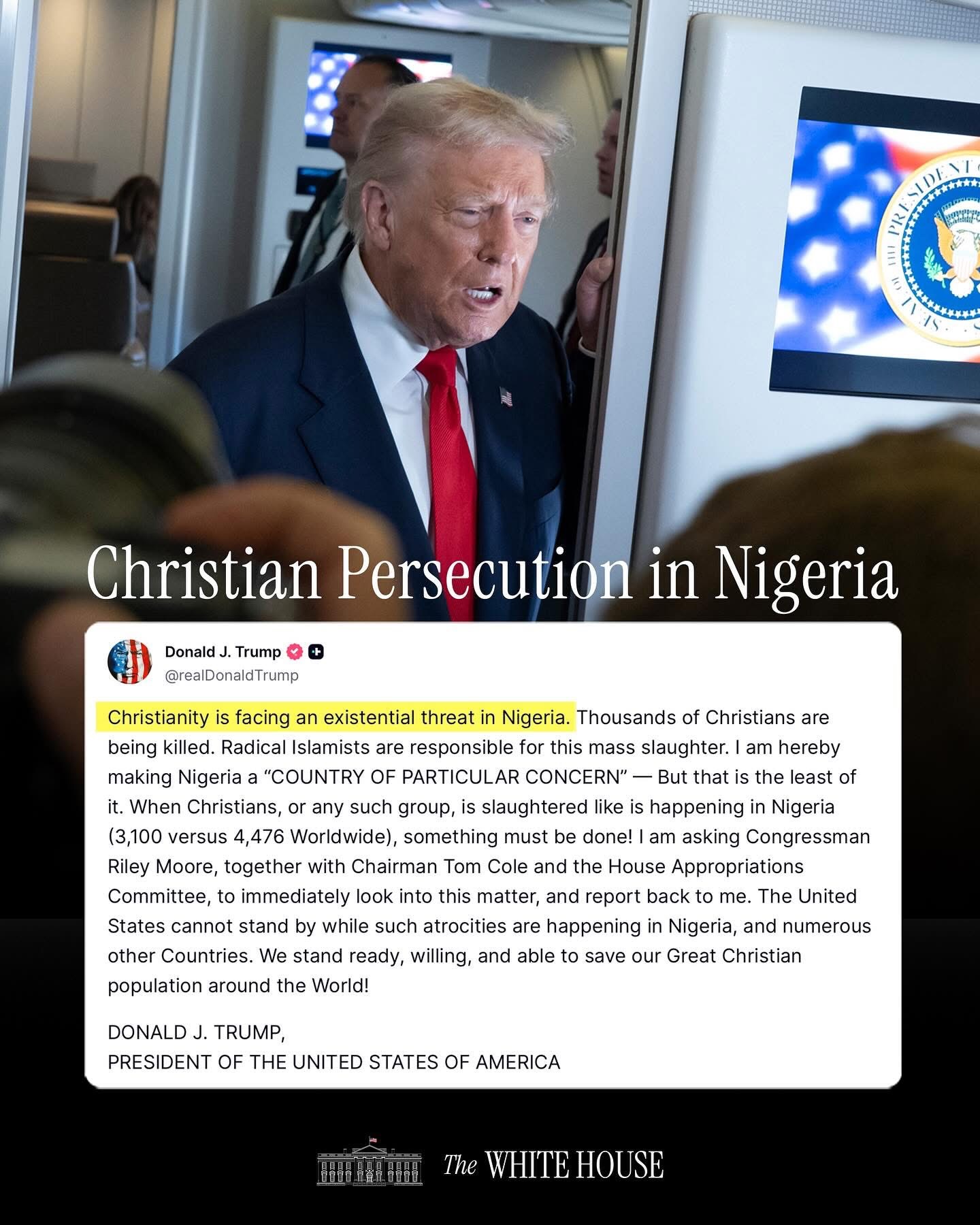
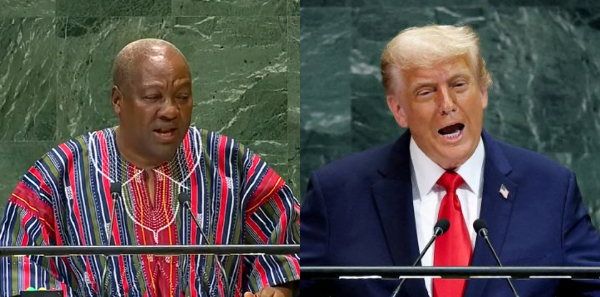
His comments followed statements by US President Donald Trump, who had earlier encouraged Iranian citizens to continue protesting and warned that military action could be considered if demonstrators were harmed. Trump later claimed he had received information suggesting that “the killing in Iran has stopped,” though he emphasized that all options, including military intervention, remained open.
Iranian authorities have consistently dismissed the demonstrations as riots orchestrated by foreign enemies. However, video footage reviewed and verified by independent media organizations has shown security forces using live ammunition against protesters. These images, combined with eyewitness reports, suggest that demonstrators were met with extreme force.
Despite a reduction in visible unrest in recent days, the situation remains uncertain. Internet connectivity across Iran has been reduced to a fraction of normal levels, limiting the flow of information. A resident of Shiraz told international media that security personnel were still patrolling the streets, explaining that “things appear calmer now, but the presence of forces reminds everyone that nothing is truly normal.”
Meanwhile, tensions between Iran and the United States continue to rise. The US State Department has said it is aware of reports suggesting Iran may be considering attacks on American military installations. In response, US officials warned that any such action would be met with what they described as “a very powerful force.”
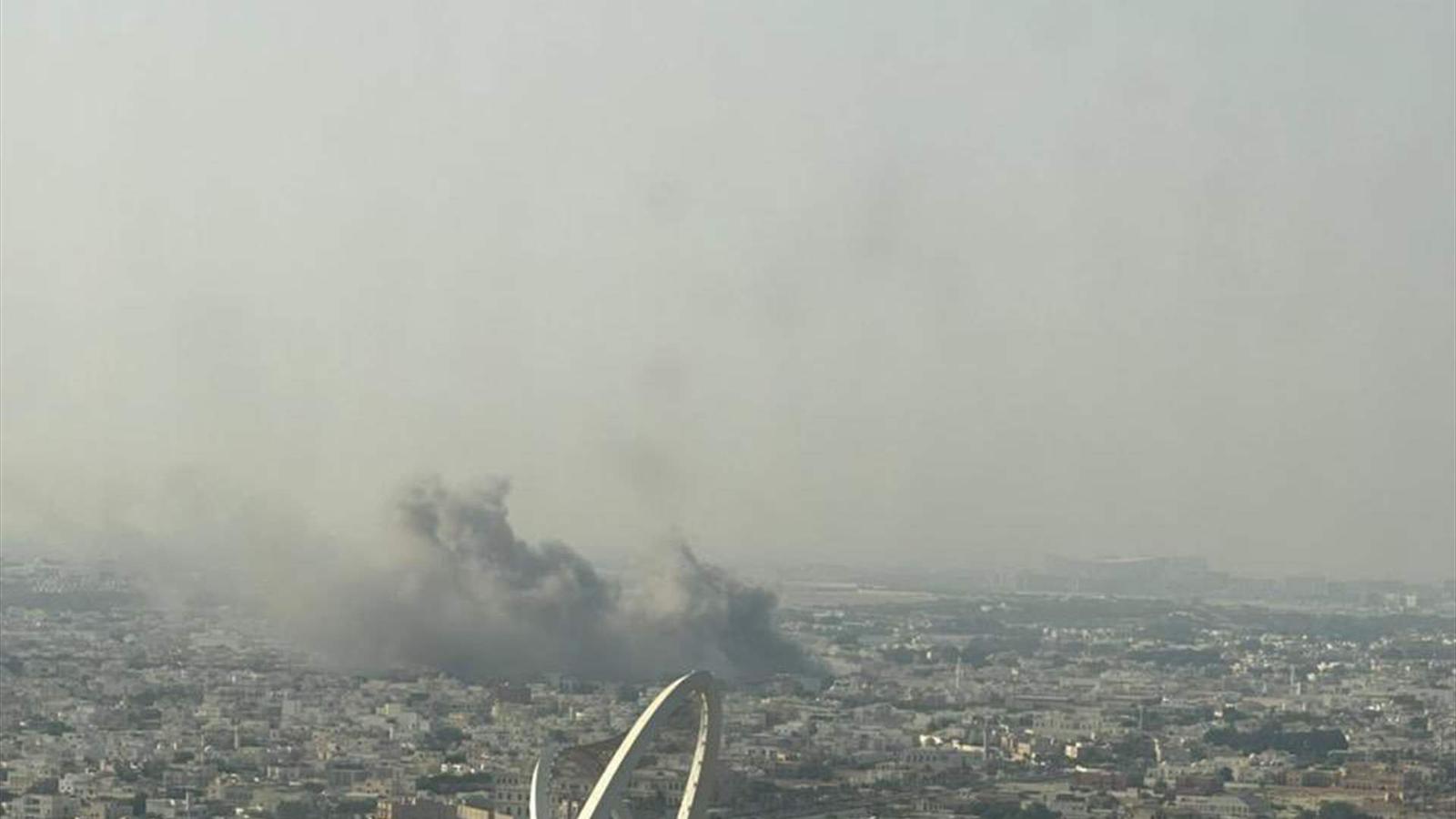
As a precaution, both the United States and the United Kingdom have reduced their personnel at key military bases in the region, including the Al-Udeid air base in Qatar. Officials characterized the move as a safety measure rather than a response to an imminent threat.
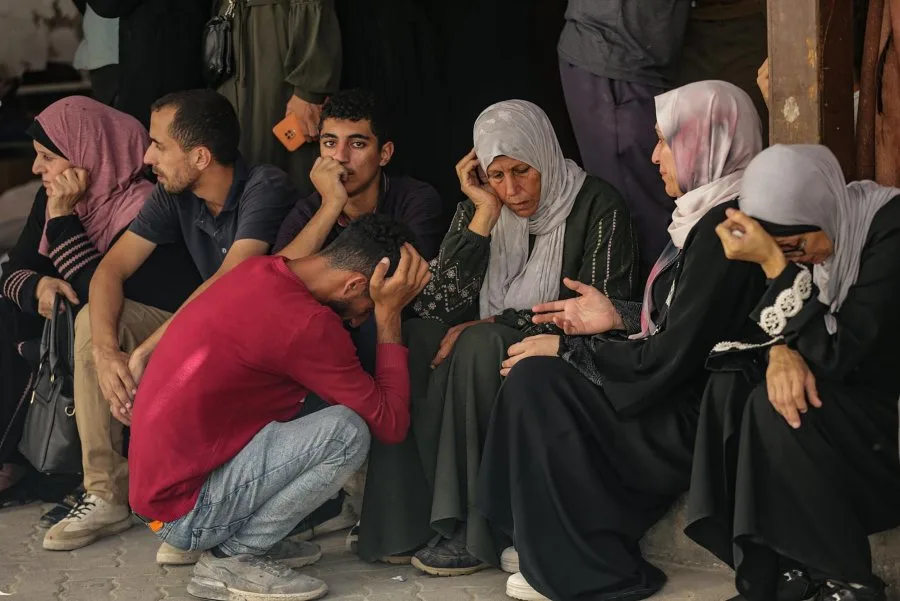
While international attention remains focused on diplomatic tensions, the full human cost of the protests inside Iran is still emerging. With communication channels restricted and official narratives tightly controlled, the experiences of many victims and families remain unheard.
Discover more from Hot Stories Ghana
Subscribe to get the latest posts sent to your email.