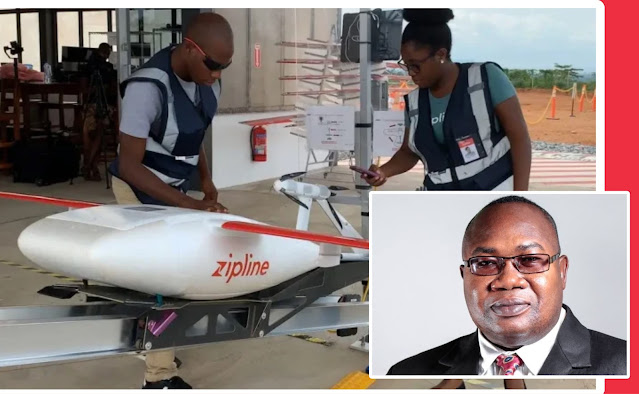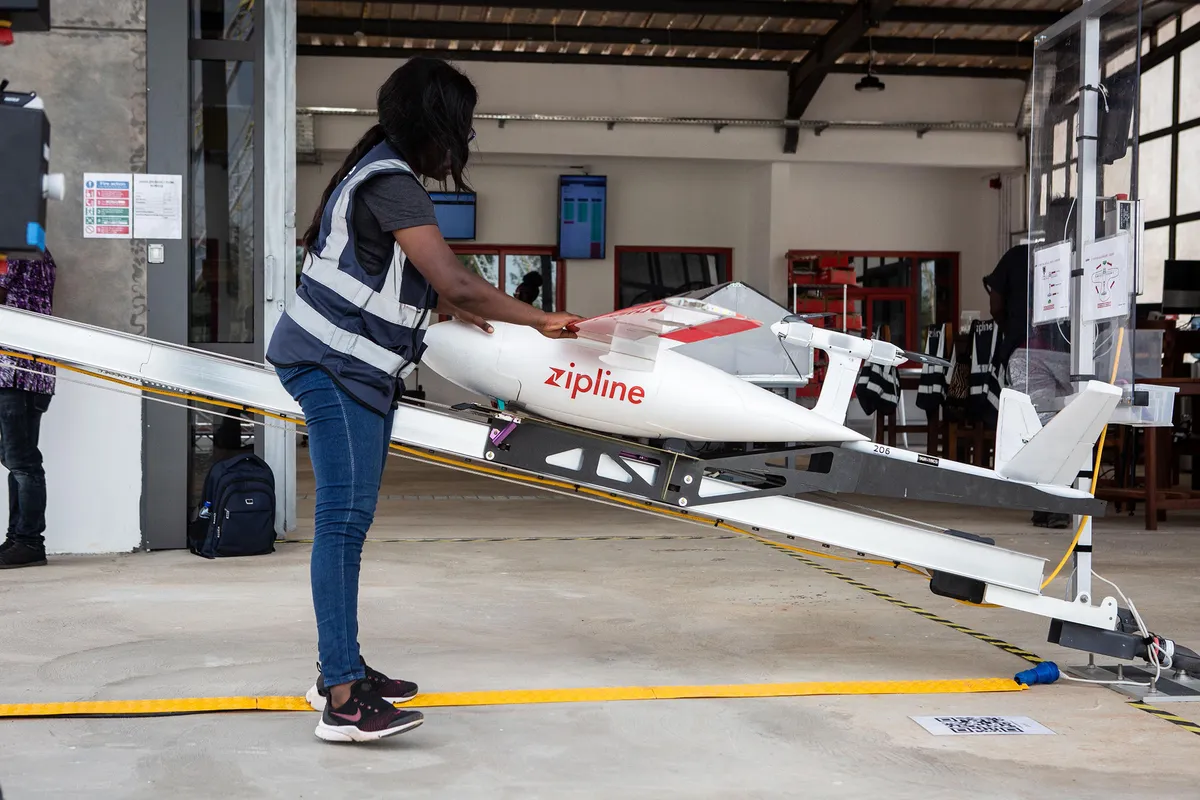
A Political Scientist at the Kwame Nkrumah University of Science and Technology (KNUST), Dr. Amakye Boateng, has rejected calls for Ghana’s Zipline drones to be used to deliver condoms, mosquito nets, needles and textbooks to remote communities, describing the idea as unnecessary and economically unsustainable. According to him, the country is already under significant financial strain, and it would be unwise to expand the mandate of the drone delivery system beyond its original purpose.
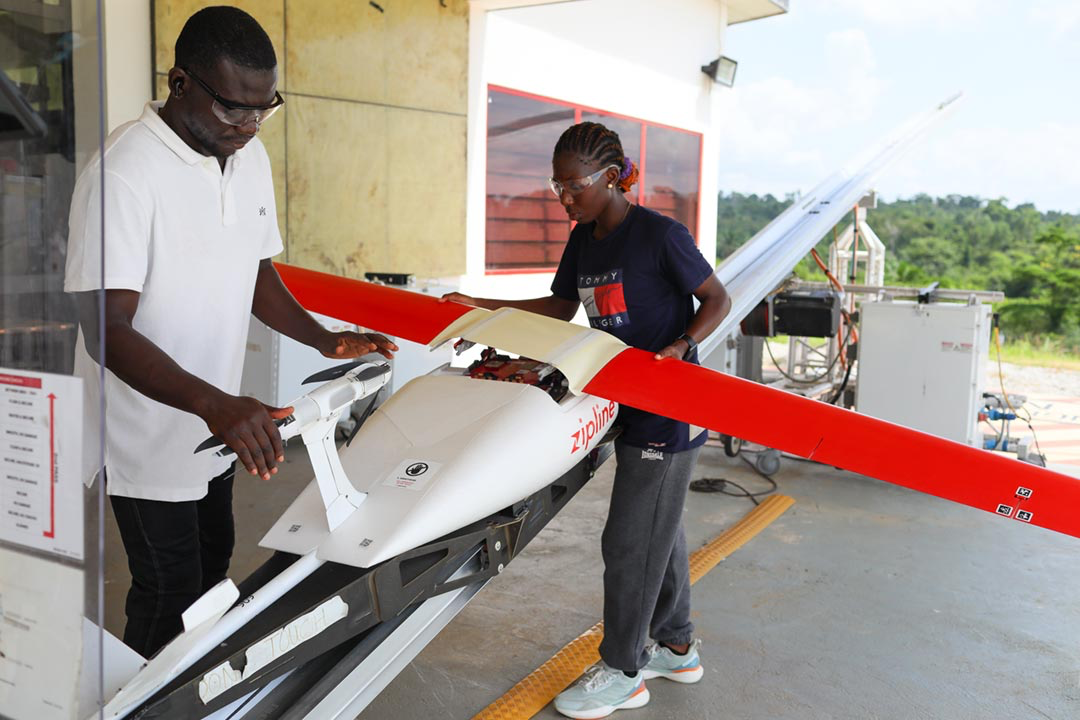
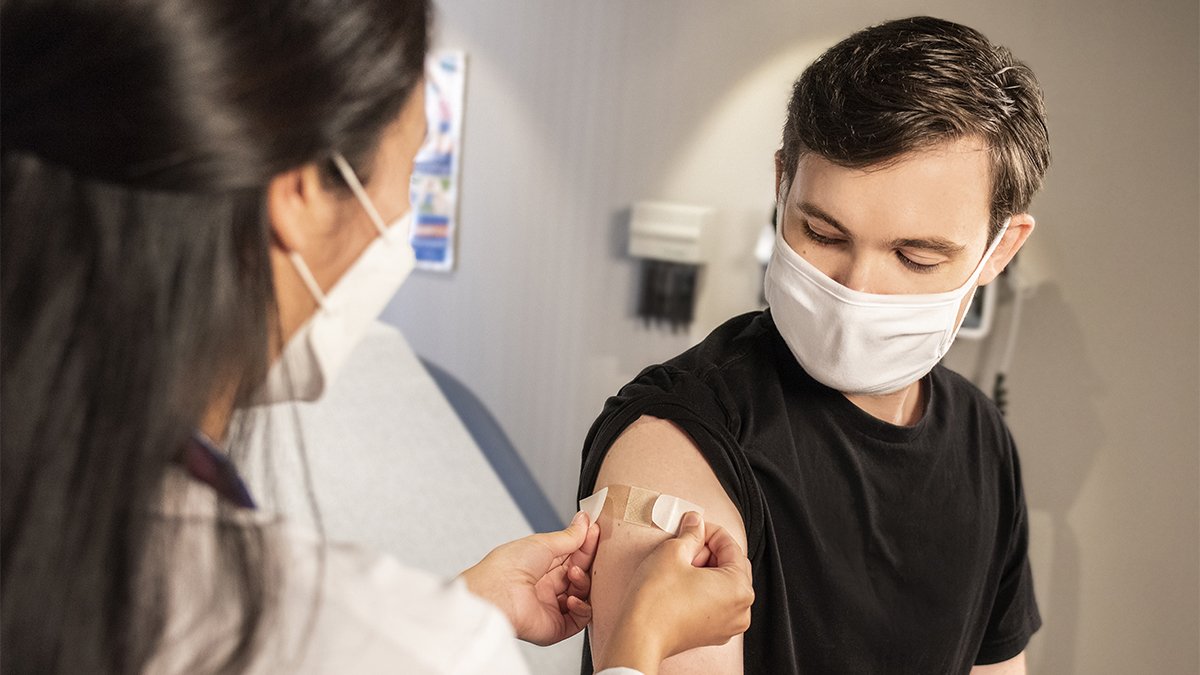
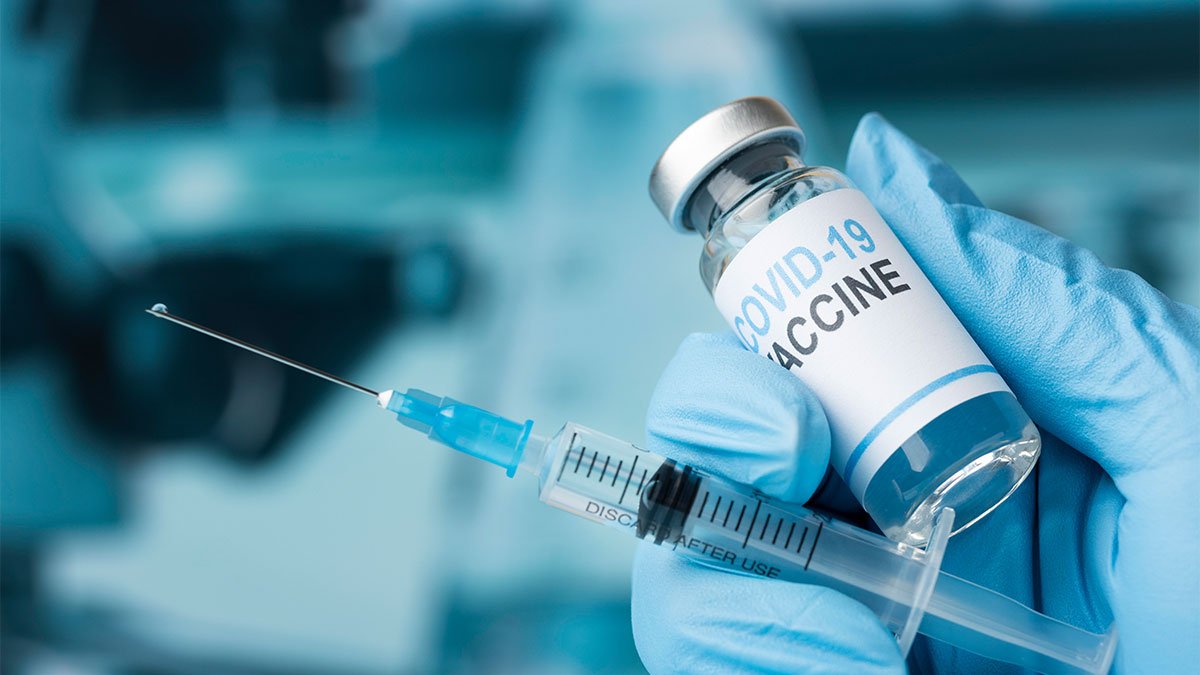
Ghana introduced the Zipline drone service in 2019, signing a contract that made the country the first in West Africa to use drones for medical distribution. Under the arrangement, Zipline delivers blood, essential medications, vaccines and other life-saving supplies to hard-to-reach communities, with the government paying for every successful drop-off. Although the initiative has received praise for reducing delays in emergency medical care, its high operational cost continues to raise questions, especially in the face of the nation’s economic challenges.
For Dr. Boateng, these concerns make the new proposal even more worrying. He argued that while delivering medical emergencies by drone is justified, extending the service to condoms, mosquito nets and textbooks does not offer the same level of urgency and therefore does not warrant the additional cost burden. “There is suffering in the country. Lots of money went into this drone service; it’s outrageous,” he said. “If we do not use the drone services, can we not use other means of transportation to take these services to the villages? Must we only transport it by air?”
He insisted that Ghana already has several ground-level transport systems that can get such basic supplies to communities without incurring the high fees associated with the Zipline contract. Dr. Boateng further stated that he supports any government effort aimed at reviewing the use of drone services in order to look for alternatives that are more cost-effective for the state. “The monies for these services are too much,” he added.
Discover more from Hot Stories Ghana
Subscribe to get the latest posts sent to your email.