Ghana’s digital lottery sector is once again under scrutiny, and this time, the call is for a complete reset.
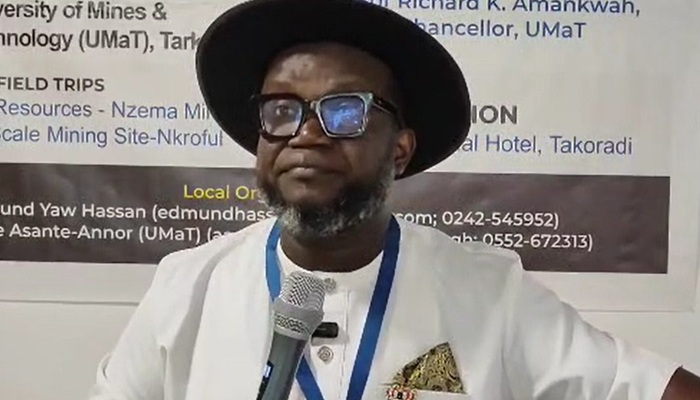
Founder and leader of the All People’s Congress (APC), Hassan Ayariga, is demanding an immediate end to what he describes as a monopoly in the country’s digital lottery operations—his focus: the widely patronized 5/90 lottery system.
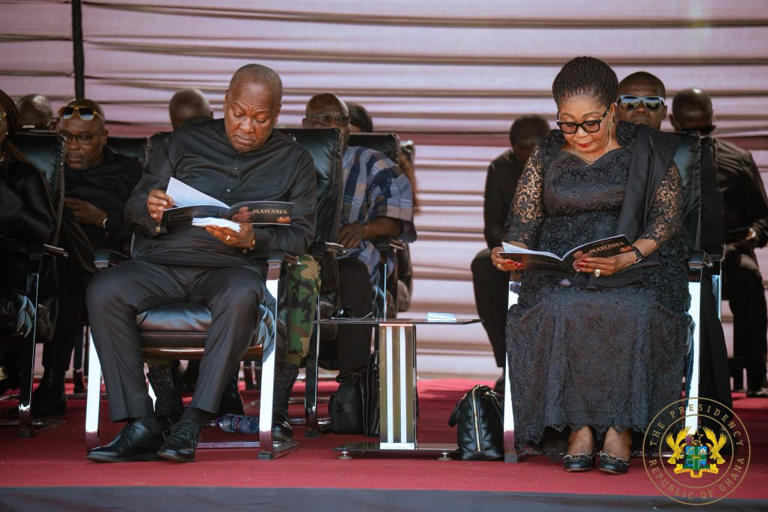
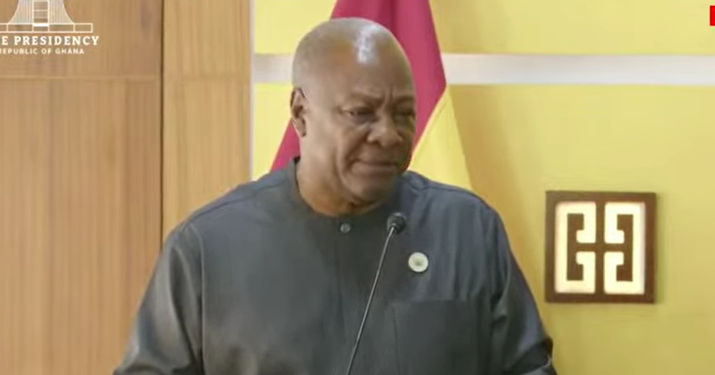
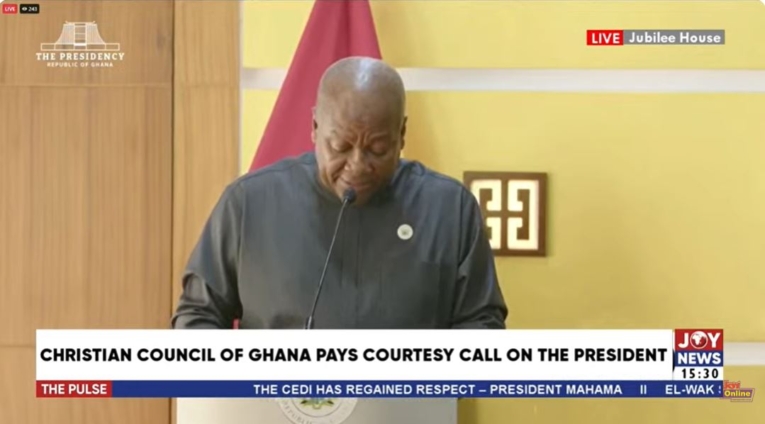
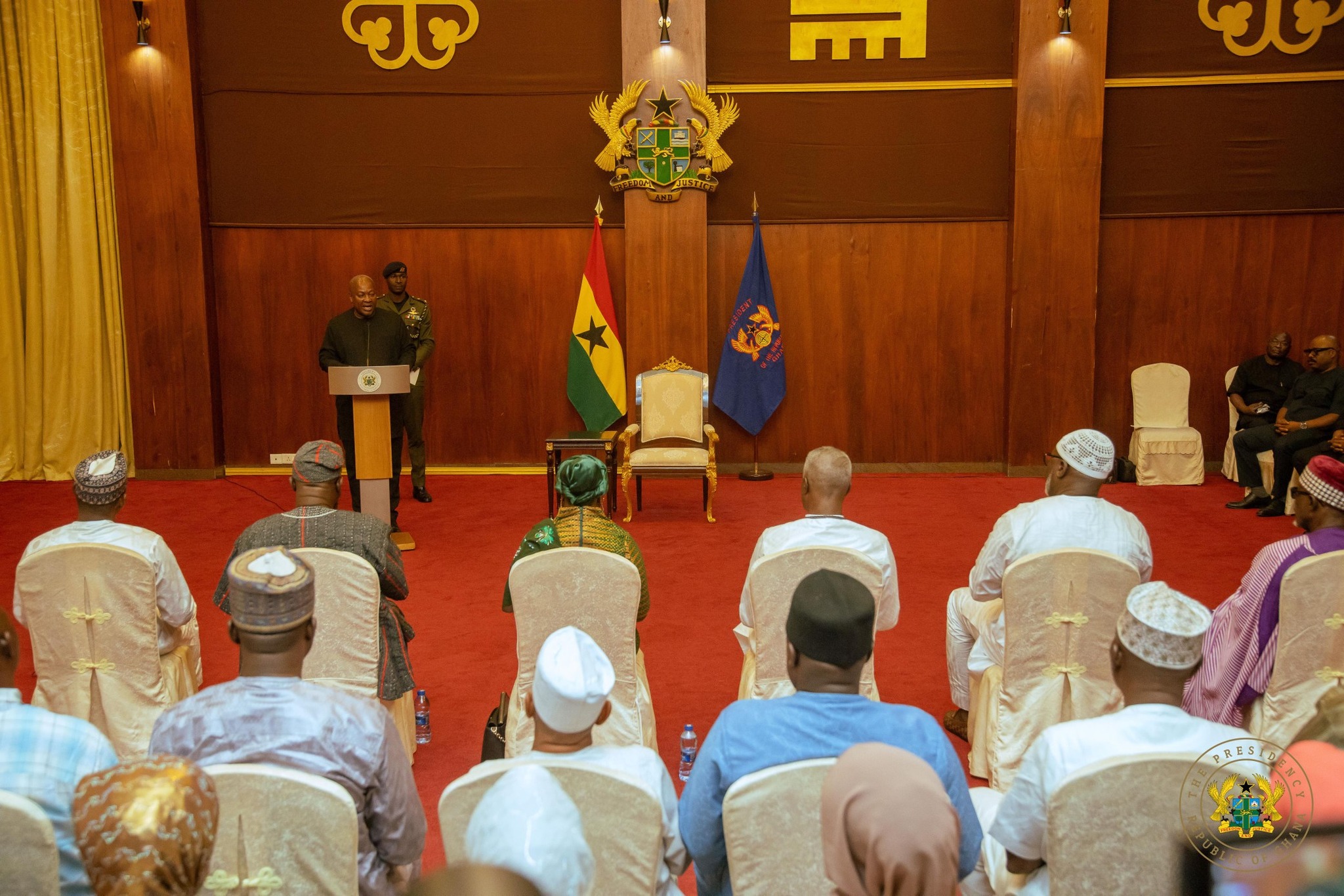
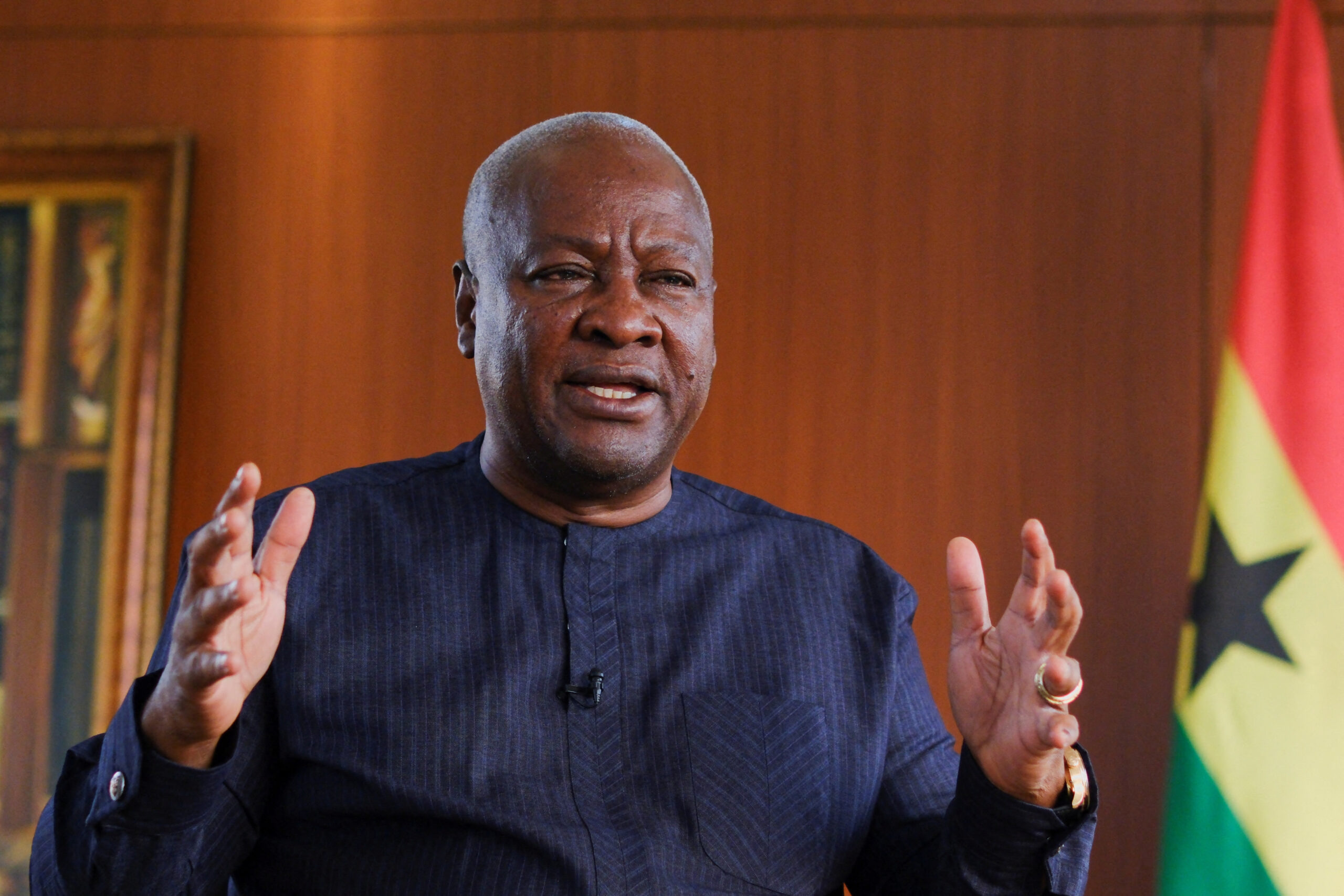
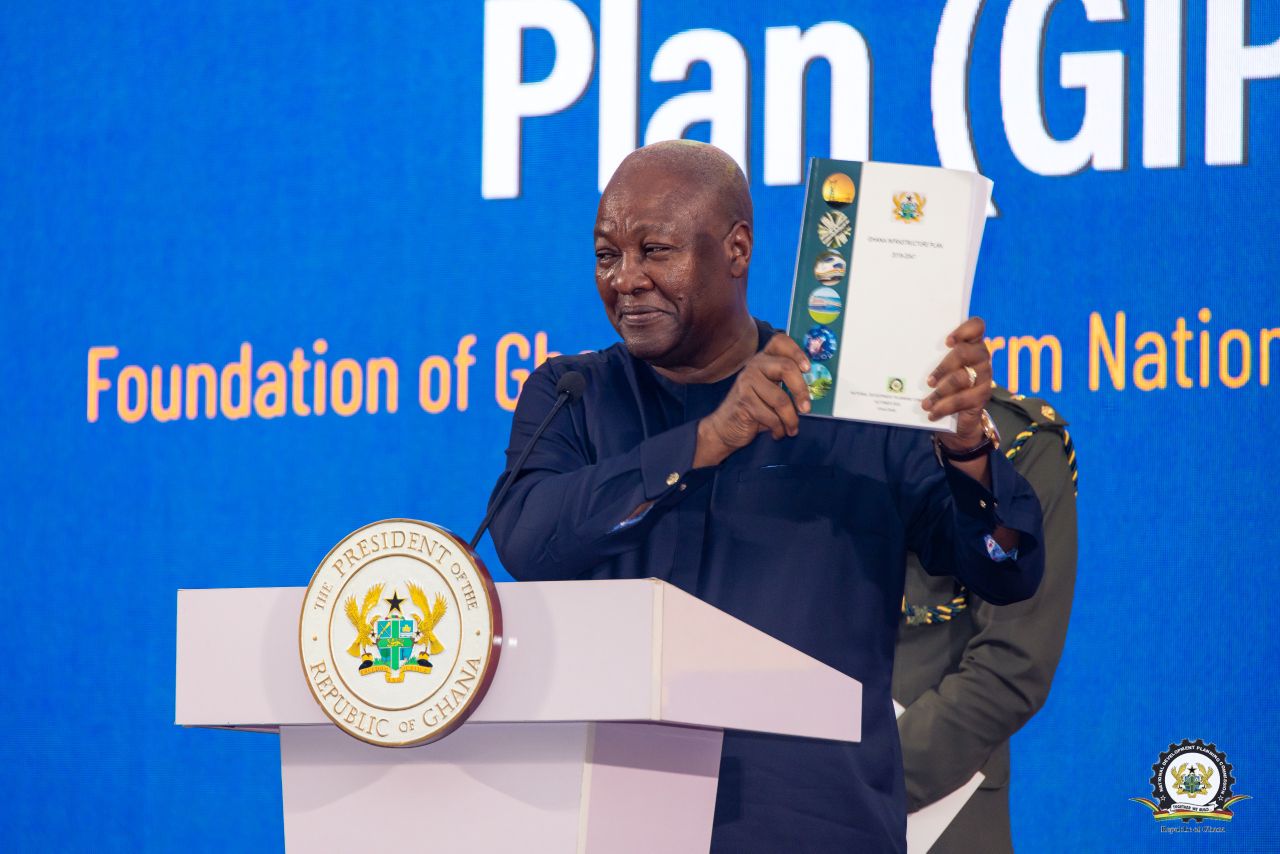
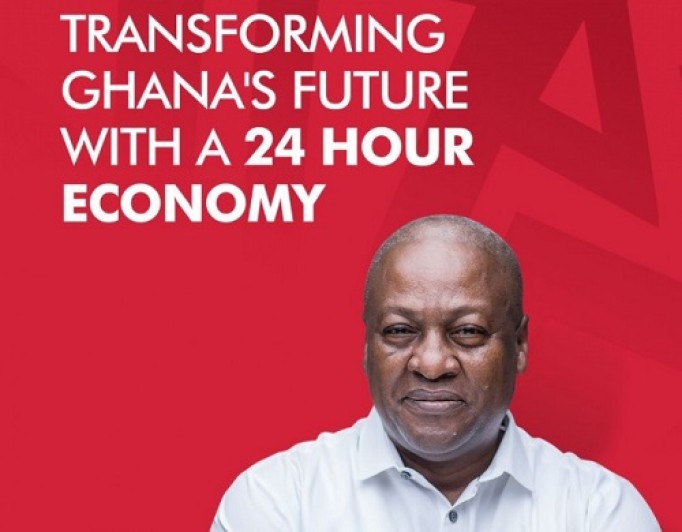
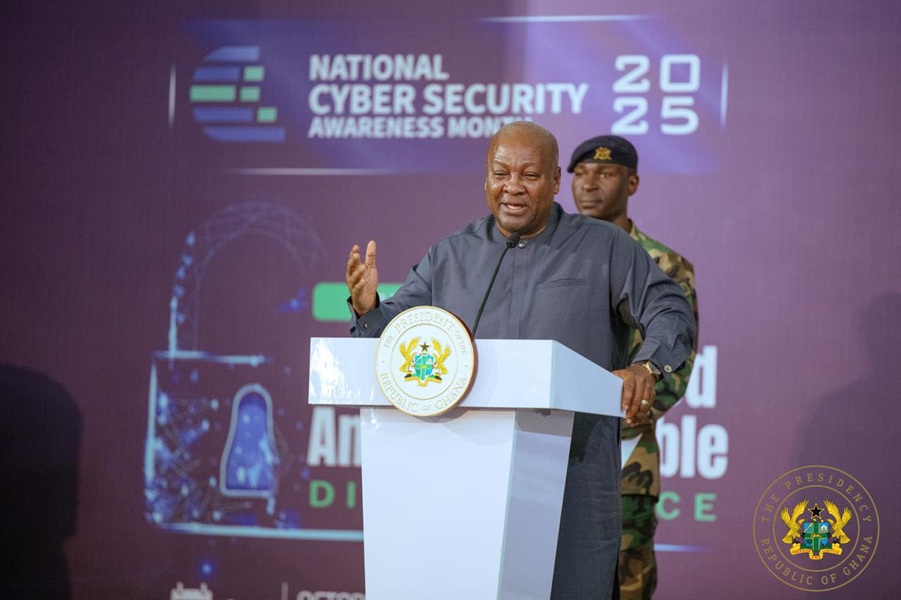
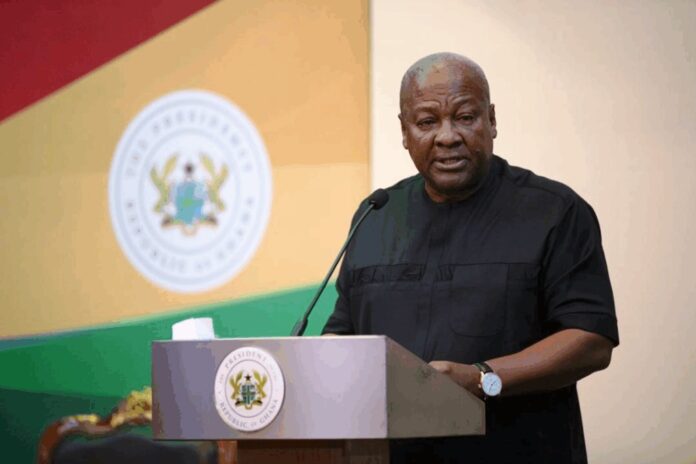
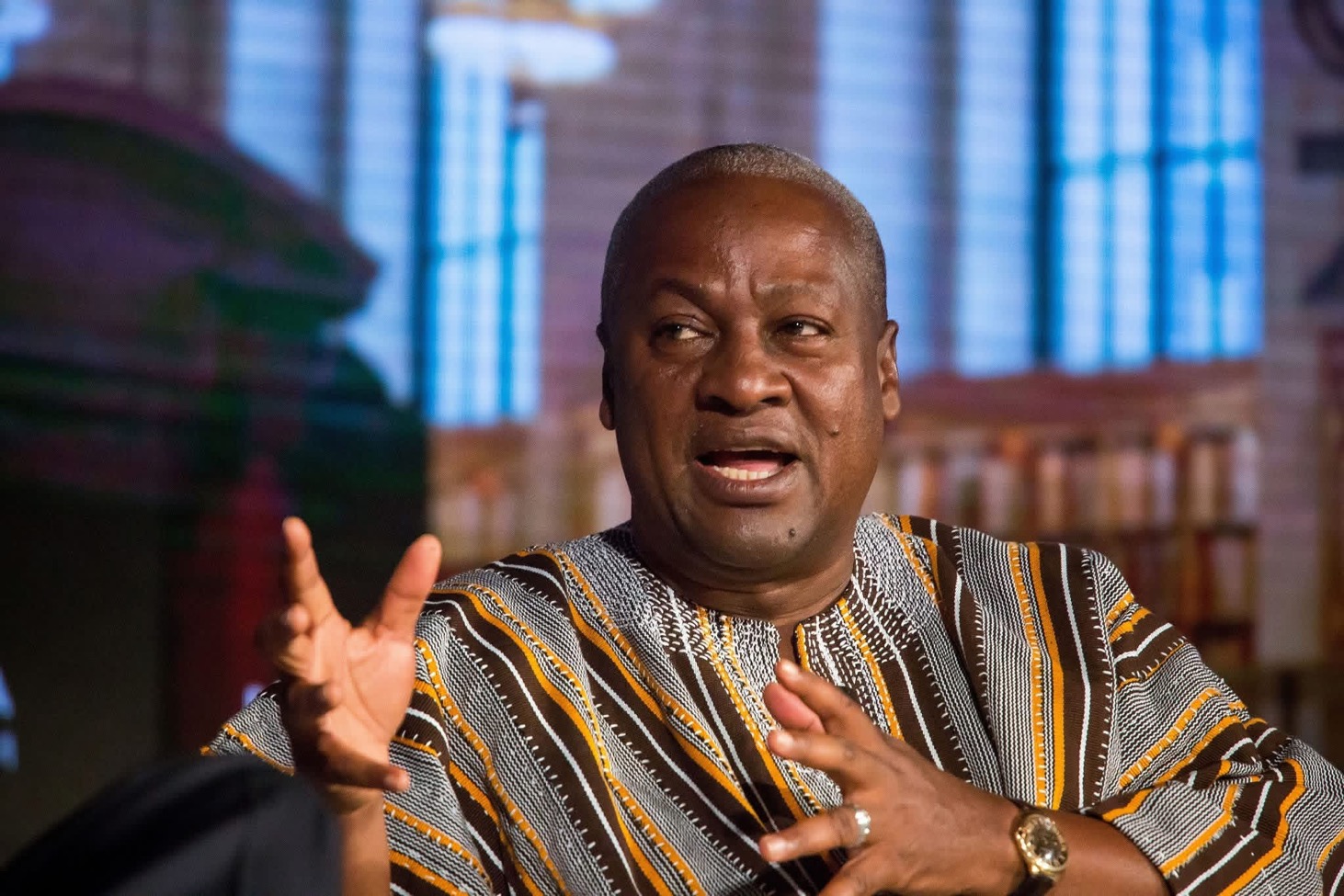
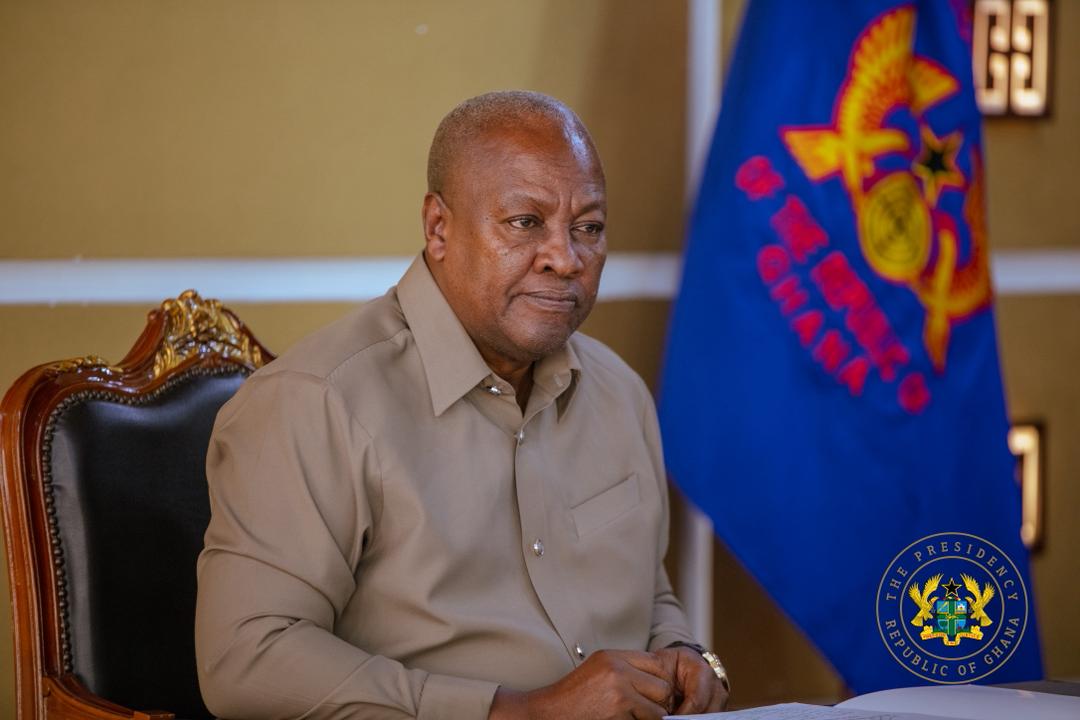
In a press release issued on April 22 in Accra, Ayariga pointed to a recent directive by John Dramani Mahama to review agreements between the National Lottery Authority (NLA) and KGL Technology Limited as a crucial opportunity to address long-standing concerns about exclusivity in the sector.
At the heart of the issue, he argues, is control.
According to Ayariga, granting a single private company dominant access to digital and USSD platforms for the 5/90 lottery has effectively created a “de facto monopoly”, one that sidelines competition and weakens transparency. In his view, such an arrangement not only stifles innovation but also shuts out other Ghanaian businesses that could contribute to the sector.
His concern goes beyond market fairness. It touches on legality and national interest.
Ayariga insists that the legal framework governing lottery operations is clear: the NLA remains the sole authority mandated to operate lotteries in Ghana, with private entities permitted only limited roles as Lotto Marketing Companies under strict supervision. Any agreement, he argues, that hands over operational dominance or financial control to a private firm risks breaching that mandate.
For him, this is not just policy, it is principle.
He is now calling for sweeping reforms, including the termination or restructuring of exclusivity clauses and the opening up of the digital lottery ecosystem to multiple qualified players through a transparent licensing regime. The goal, he says, is to restore fairness, improve oversight, and ensure that revenue flows are fully accountable under NLA supervision.
Ayariga is also making a case for local innovation. By allowing more Ghanaian tech firms and investors into the space, he believes the sector can become more efficient, competitive, and responsive to public needs.
Underlying his argument is a deeper concern; whether the current structure truly benefits the country.
He questioned declining contributions from the lottery sector to the national purse, suggesting that concentration of control may be undermining both performance and public trust. In his words, a system that limits transparency cannot command confidence.
As the review of existing agreements unfolds, Ayariga is framing the moment as a critical test of leadership, one that will reveal whether authorities are prepared to prioritize national interest over entrenched advantages.
For now, his message is direct and uncompromising; open the system, enforce the law, and let competition drive the future of Ghana’s digital lottery industry.
Discover more from Hot Stories Ghana
Subscribe to get the latest posts sent to your email.