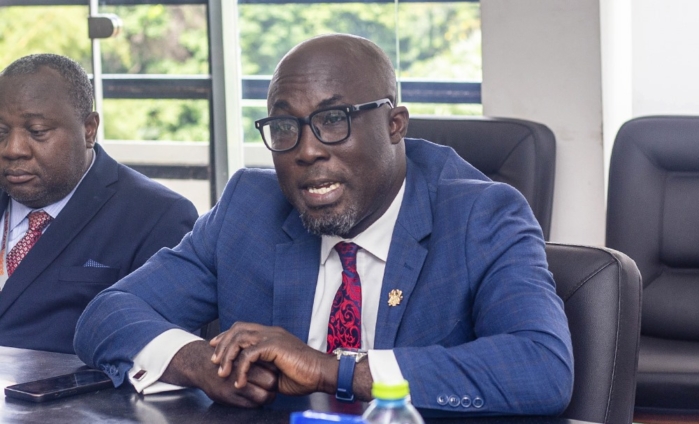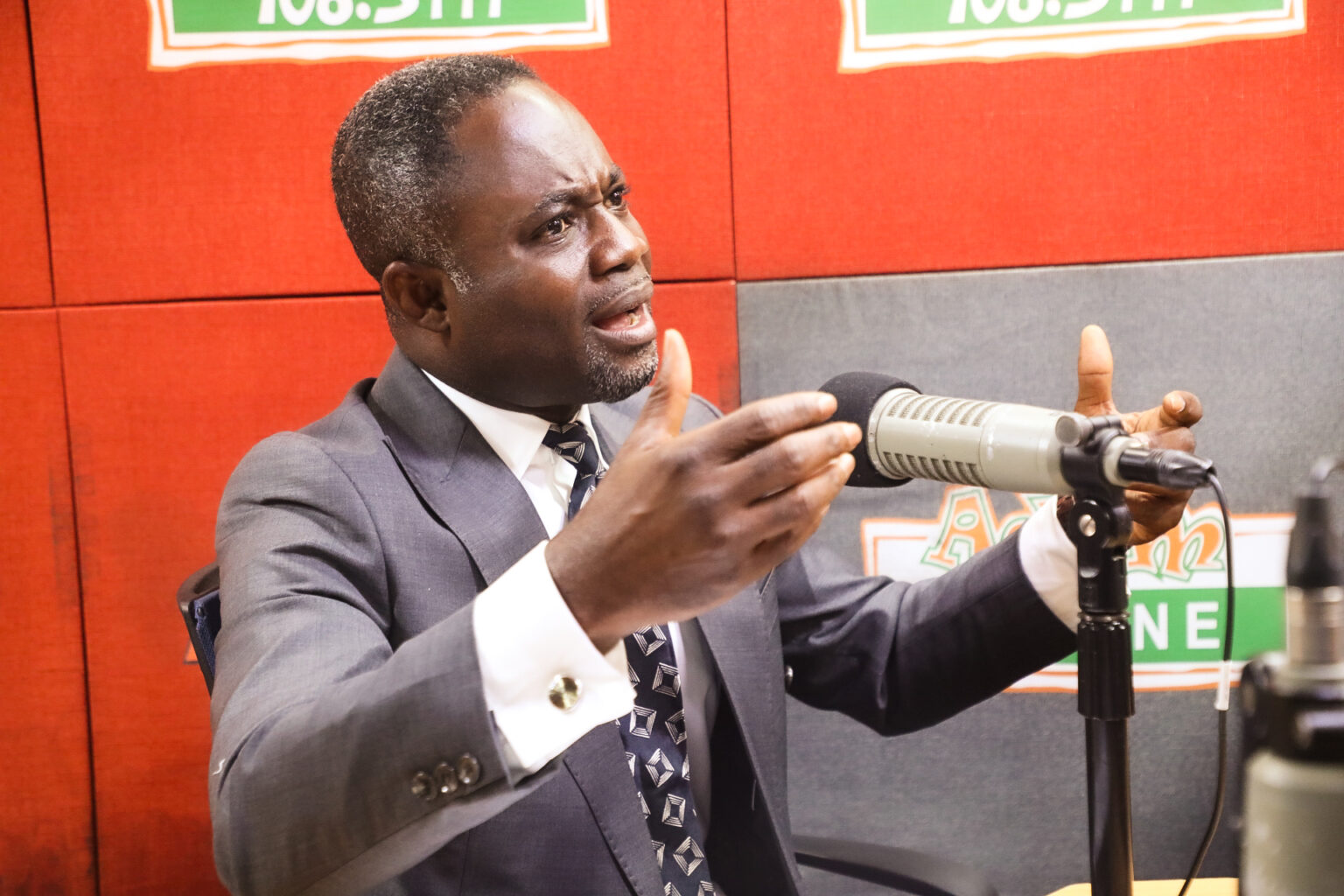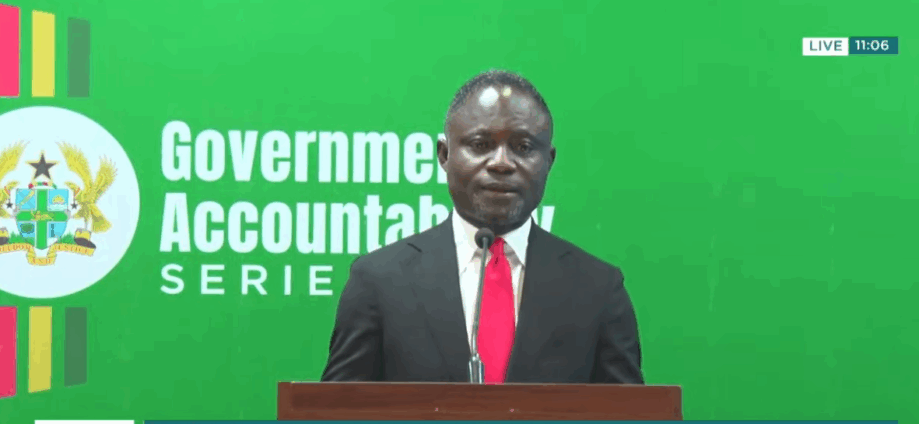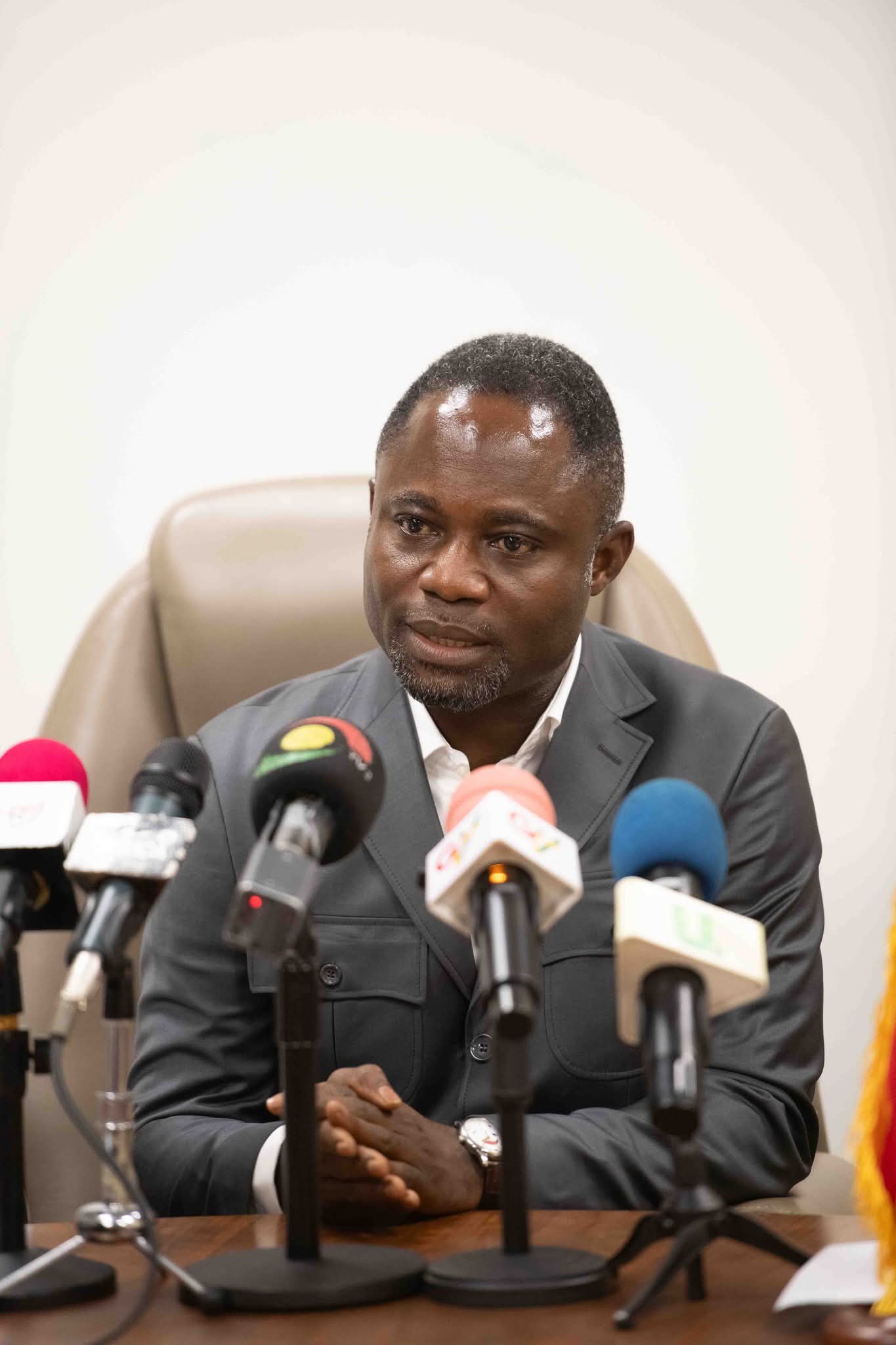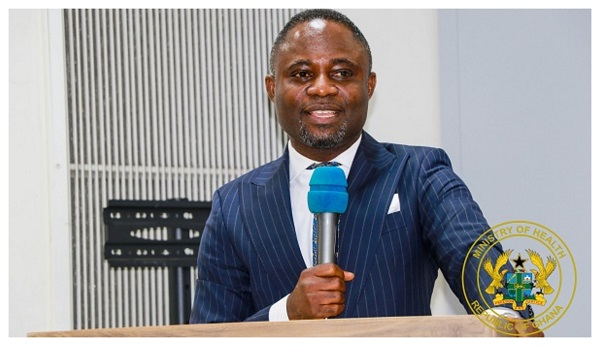
President of the Ghana Medical Association (GMA), Professor Ernest Yorke, has called for urgent reforms within Ghana’s healthcare system following the death of Charles Amissah, warning that focusing solely on punishing health workers will not solve the deeper challenges confronting the sector.
Speaking on Asempa FM, Prof. Yorke said the incident has exposed serious systemic weaknesses that require immediate national attention.
“There is a challenge that needs to be fixed in the system. It appears that some of our members are being used as scapegoats,” he stated.
According to him, although healthcare professionals must remain committed to their duties, the issues surrounding the death of Charles Amissah cannot be blamed entirely on medical staff.
“We have always stressed the need for health practitioners to take their work seriously. However, this current issue involves many factors that could lead to such a situation,” he explained.
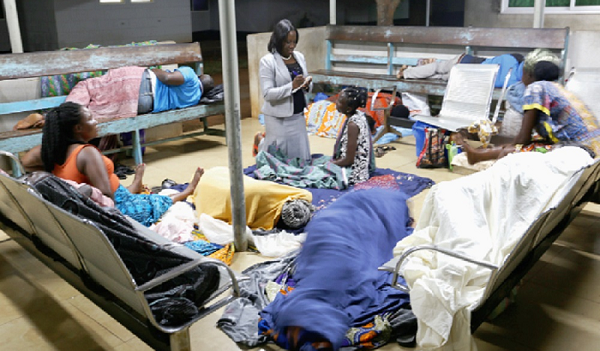
Prof. Yorke described the “no-bed syndrome” as a broad and complicated challenge affecting several stages of emergency healthcare delivery.
“The no-bed syndrome starts from the moment a patient arrives at a facility, through referrals, ambulance transfer and emergency care. This incident confirms that Ghana has a serious healthcare challenge that must be addressed,” he said.
He revealed that the committee’s report identified multiple contributing factors, including inadequate funding, policy gaps, shortage of skilled personnel, poor working conditions and attitude-related concerns.
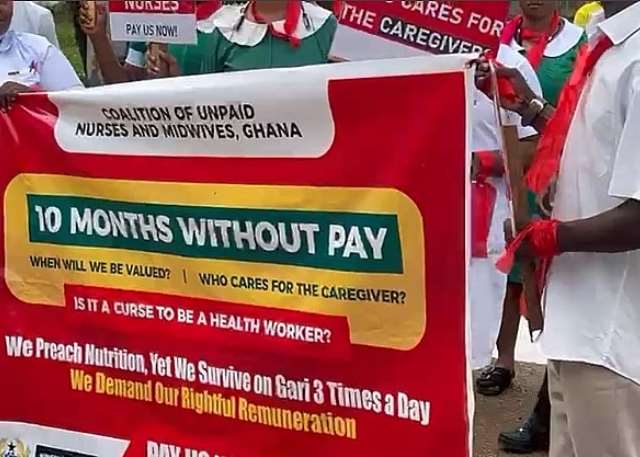
“There are funding issues, policy issues and personnel issues. We are dealing with inadequate skilled staff, attitude problems, and lack of motivation for health workers. All these were captured in the findings of the report,” he noted.
The GMA President said the association has requested official copies of the report and will support members implicated in the matter through the appropriate disciplinary procedures.
“We are following up on the committee’s report and recommendations. Any member mentioned will be supported through the due process,” he said.
He, however, expressed concern that public discussions are increasingly portraying healthcare workers as the sole cause of the problem.
“The discussion after the release of the report is being tilted to suggest that the problem is only the fault of health practitioners. If we continue with that approach, the same incidents will happen again,” he cautioned.
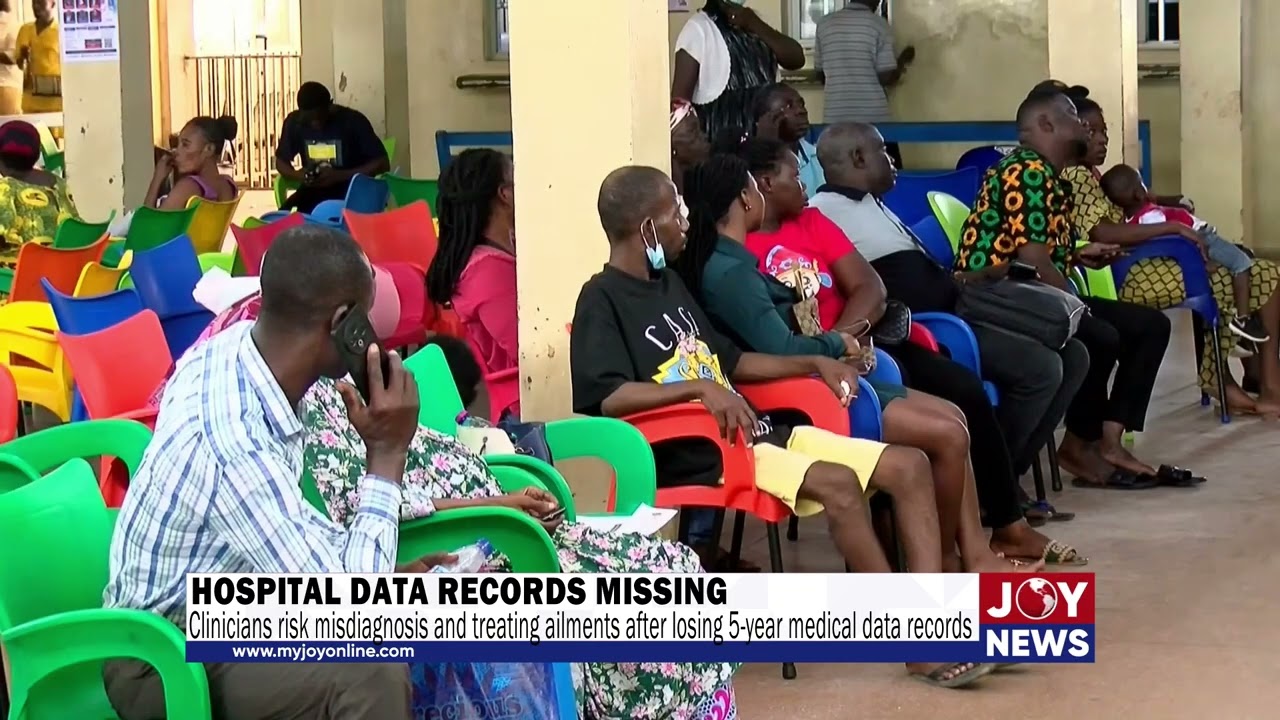
Prof. Yorke stressed that the healthcare sector continues to struggle with severe shortages of logistics and emergency resources.
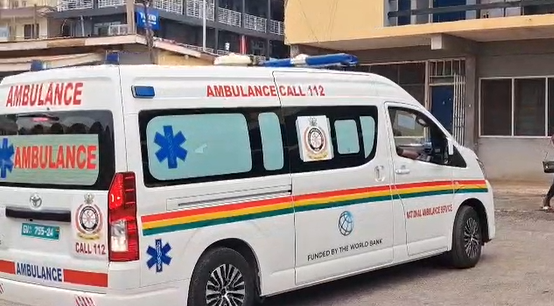
“We have very few ambulances, and the number of emergency medical technicians who can care for patients during transport is extremely limited. We also face challenges with ambulance fuel, oxygen supply, beds, emergency equipment and other essential resources,” he explained.
According to him, the pressure on major hospitals is worsened because many smaller clinics stop operating early in the evening.
“Most clinics close around 6 p.m., and all emergency cases are redirected to the major hospitals, mounting pressure of these hospitals. There are many challenges within the system,” he stated.
He also disclosed that some medical personnel linked to the case have been subjected to online attacks.
“Some of our members are being cyberbullied, which should not happen. As an association, we are not going to shield anybody, but we will support them through the proper processes,” he said.
Prof. Yorke urged authorities to use the incident as an opportunity to address the structural problems in the health sector rather than focusing only on punishment.
“Some individuals may have been culpable, but this situation should help us solve the broader issues because all of us are potential patients,” he stressed.
He concluded that lasting solutions can only be achieved through systemic reforms.
“Even if health practitioners are punished, if the core issues are not resolved, these problems will continue to persist,” he added.
Discover more from Hot Stories Ghana
Subscribe to get the latest posts sent to your email.