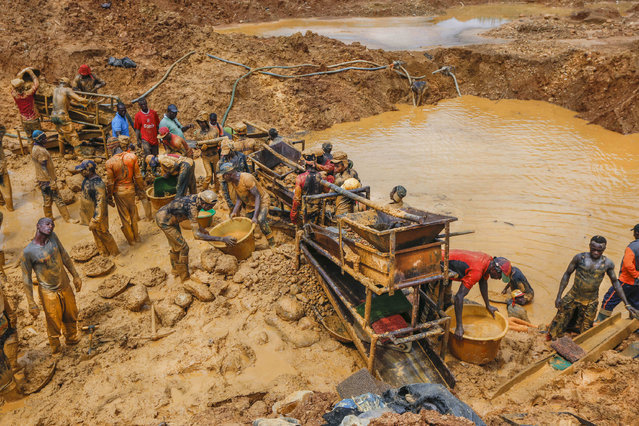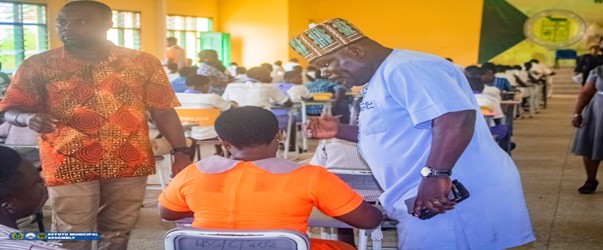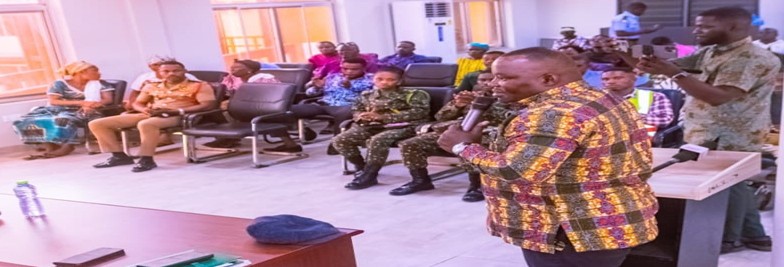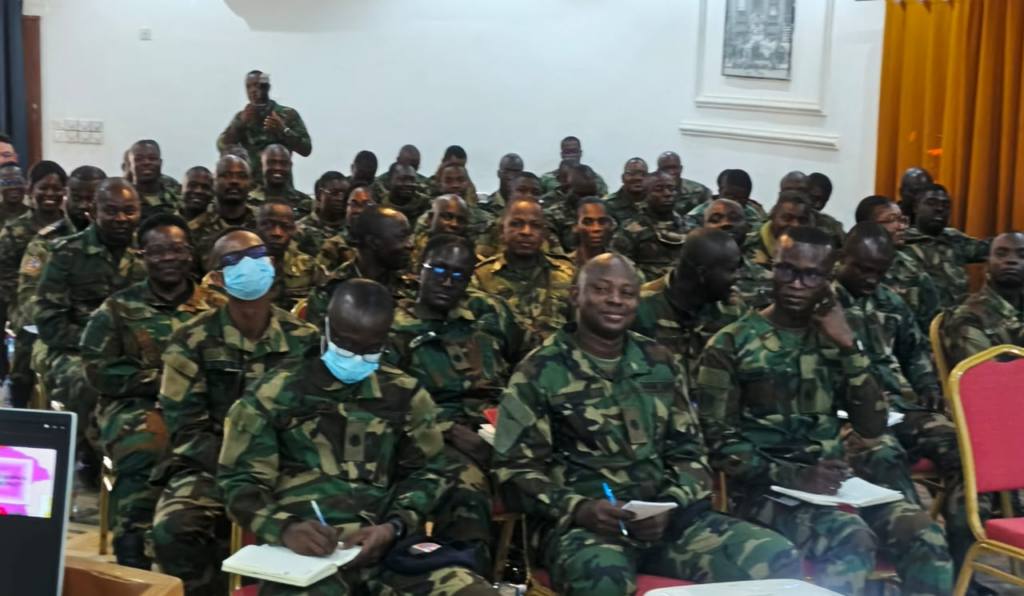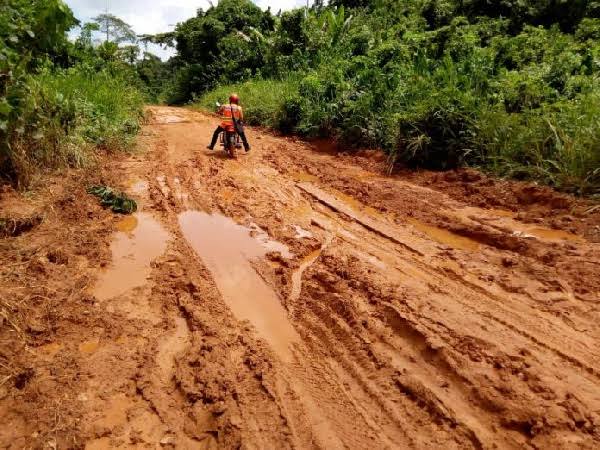
In the heart of Ghana’s Western Region lies Wassa Amenfi Central, a district blessed with fertile agricultural lands, abundant mineral resources, and a resilient population whose livelihoods sustain a significant portion of the local economy. Yet, despite its enormous potential, one challenge continues to undermine the district’s development agenda: poor road infrastructure.

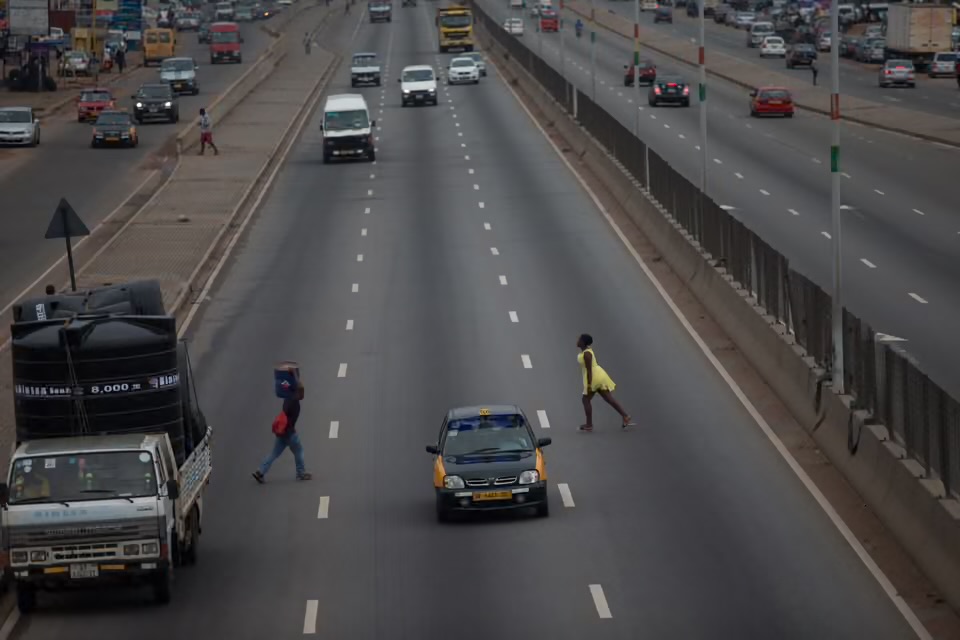
For decades, residents have watched governments come and go, promises made and repeated, while many of the roads connecting communities remain in deplorable condition. Today, the issue has evolved beyond mere inconvenience. It has become a major development crisis affecting agriculture, education, healthcare, trade, and overall economic growth.
The story of Wassa Amenfi Central is not simply about roads. It is about opportunities lost, investments delayed, and communities left behind.
A District Rich in Resources but Poor in Accessibility
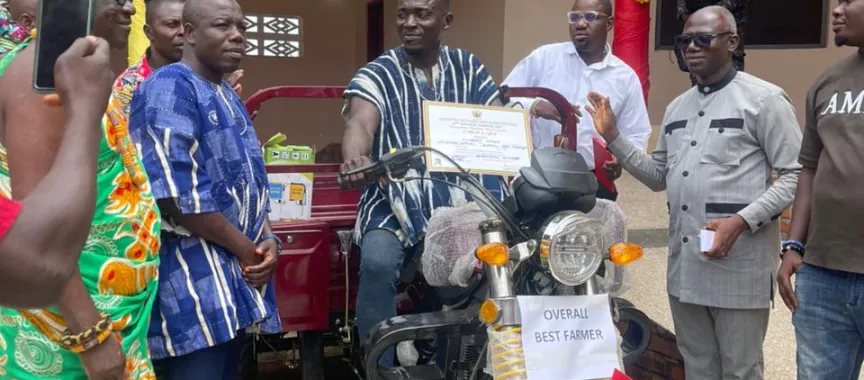
Agriculture remains the backbone of the district’s economy, employing a significant portion of the population. Cocoa, oil palm, rubber, cassava, maize, plantain, and other food crops are produced across the district. Yet many farmers struggle to transport their produce to market due to the poor state of feeder roads. Official district documents acknowledge that the road network remains one of the district’s major developmental challenges, particularly during the rainy season when accessibility becomes severely limited. (Ministry of Finance Ghana)

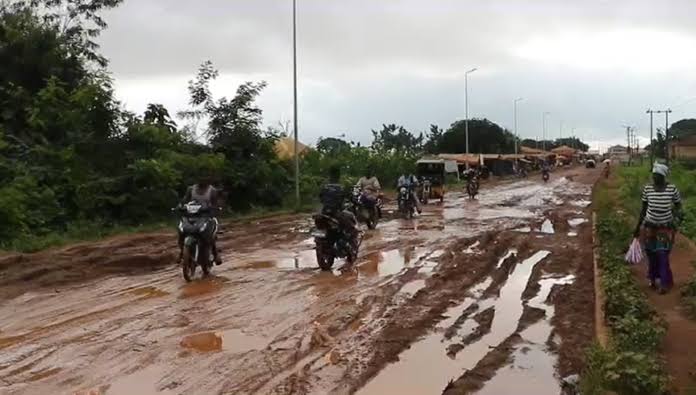
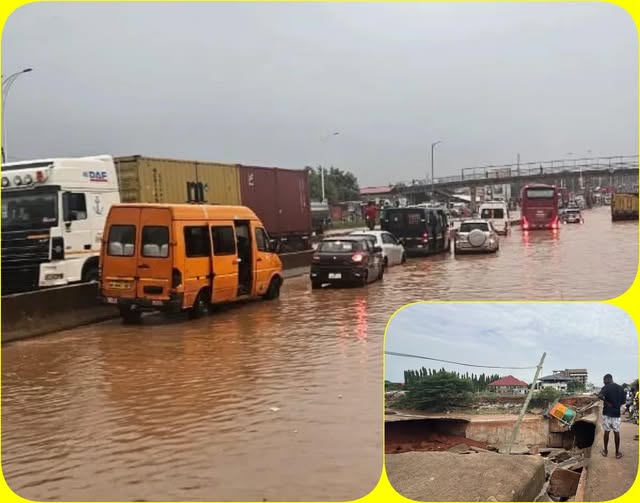
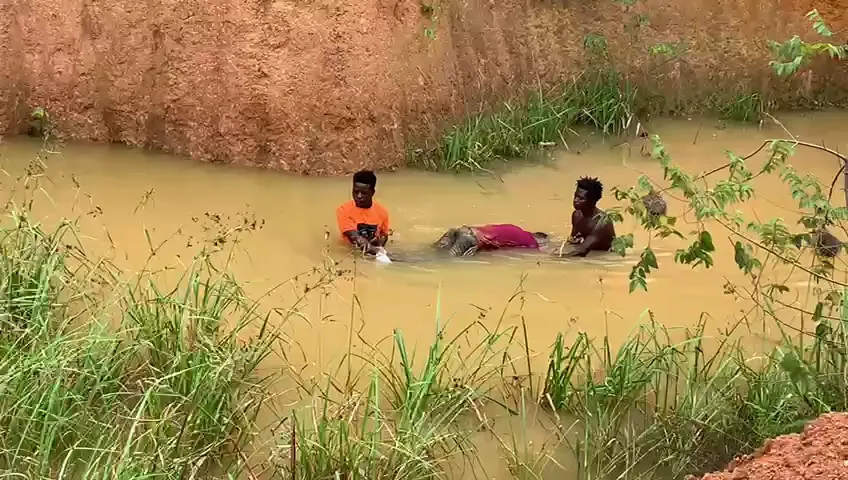
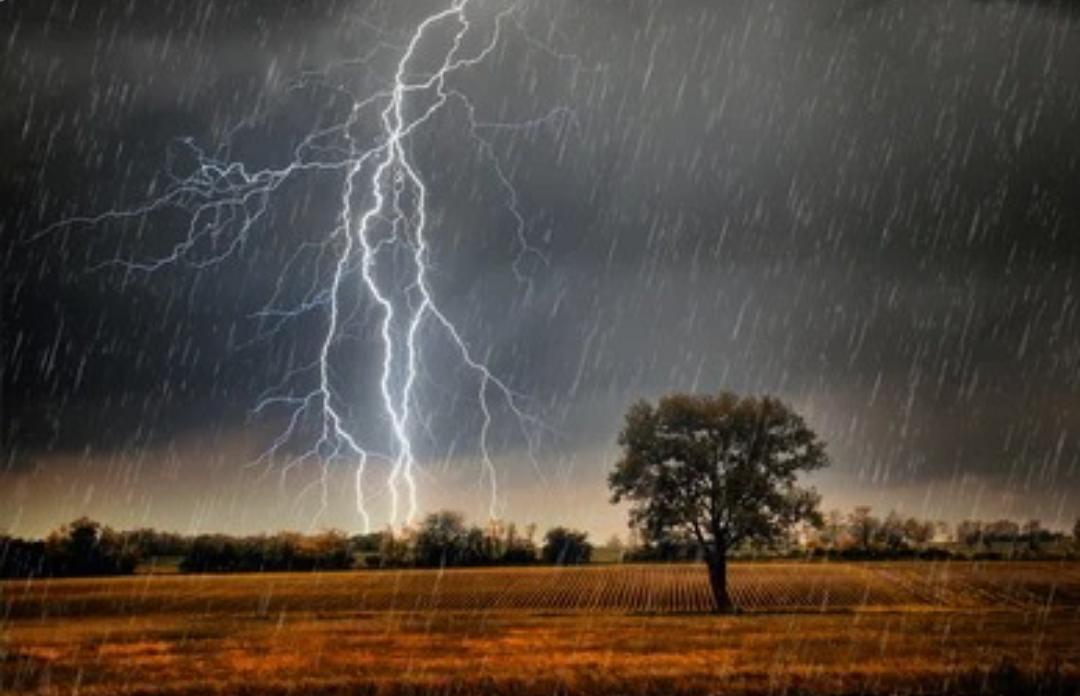
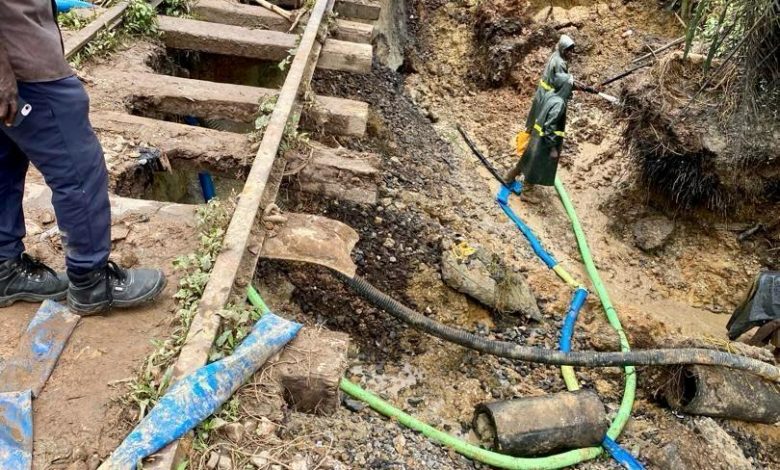
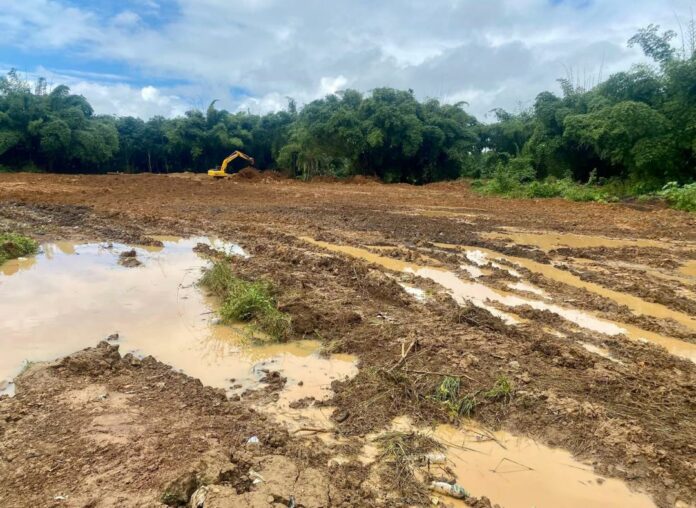
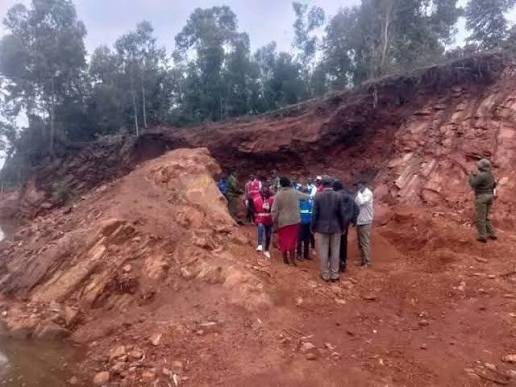
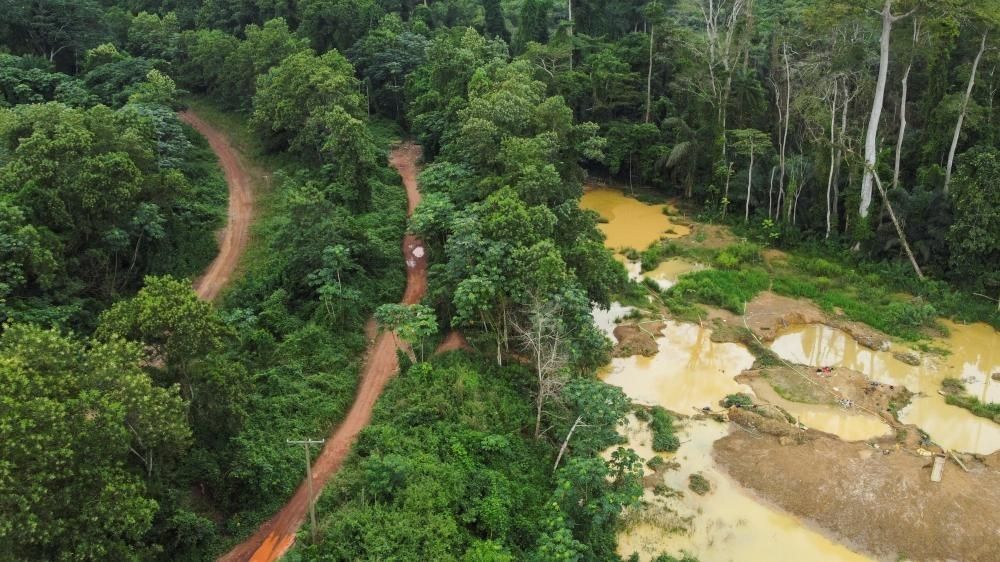
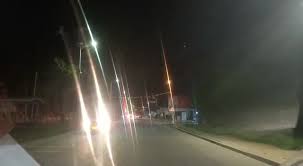
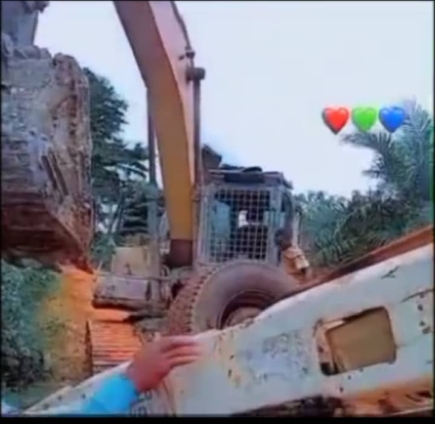
In several communities, roads become muddy, dangerous, and in some cases nearly impassable after heavy rainfall. Vehicles break down frequently, transport fares increase, and farmers are often forced to sell produce at lower prices because buyers are unwilling to travel into remote areas.
The consequences are not only economic. They are deeply social.
When Roads Fail, Development Suffers
A road is more than a strip of land connecting two places. It is a pathway to education, healthcare, employment, and opportunity.

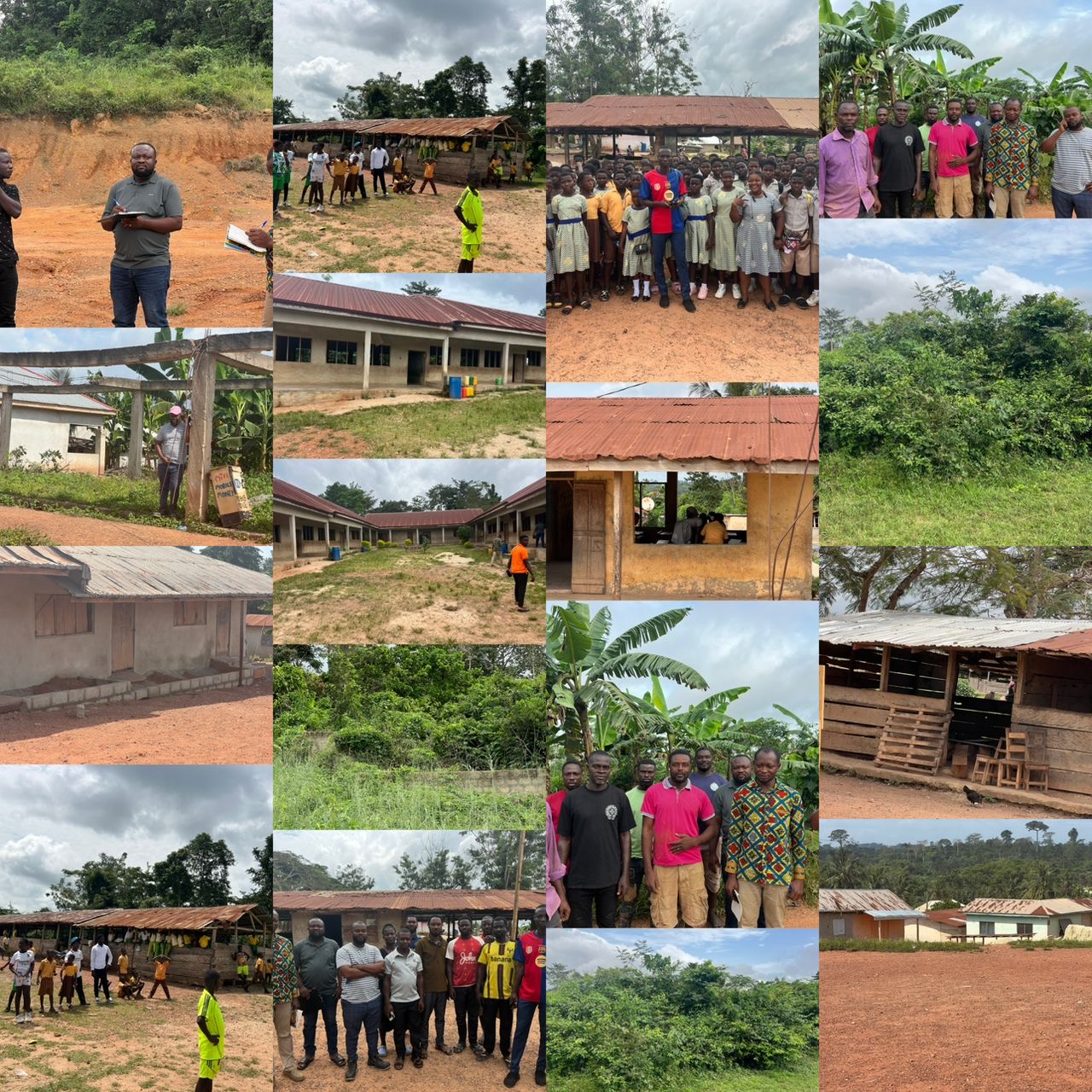
In Wassa Amenfi Central, poor road networks continue to affect access to schools and health facilities. According to reports, some students walk long distances daily because transportation options are limited or unavailable. Health emergencies become more complicated when patients cannot quickly access medical care. Even elected leaders have publicly admitted the difficulty of reaching certain communities because of the road conditions. (Ghana News Agency)
Market centers such as Agona Amenfi, Manso Amenfi, Adjakaa Manso, Akyekyere among others serve as important commercial hubs for surrounding communities. However, district planning documents indicate that these markets become difficult to access during the rainy season due to deteriorating roads. (Ministry of Finance Ghana)
The result is a cycle of underdevelopment that affects every sector of society.
The Numbers Tell a Troubling Story
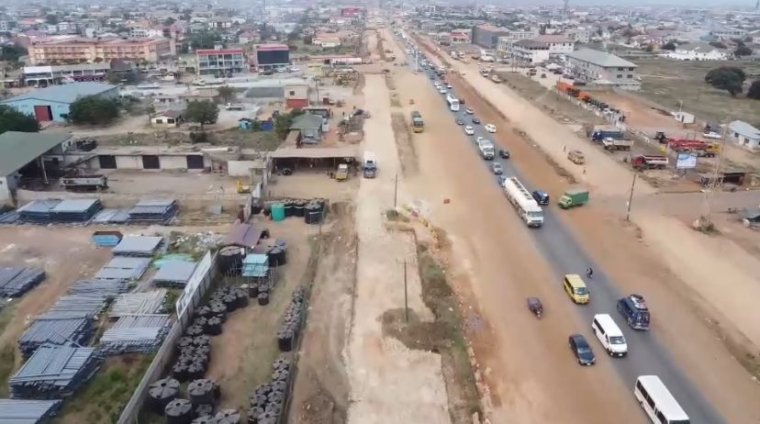
Available district data paints a concerning picture. The district has hundreds of kilometers of roads, yet only a small fraction is surfaced. Official budget documents reported that only about 40.9 kilometers of the district’s road network had been tarred, representing just over six percent of the total network. The district itself describes its road system as a major constraint to service delivery and economic activity. (Ministry of Finance Ghana)

For a district with enormous agricultural and mining potential, such figures raise important questions about infrastructure priorities and the equitable distribution of development resources across Ghana.
Government Interventions: Progress, But Not Enough
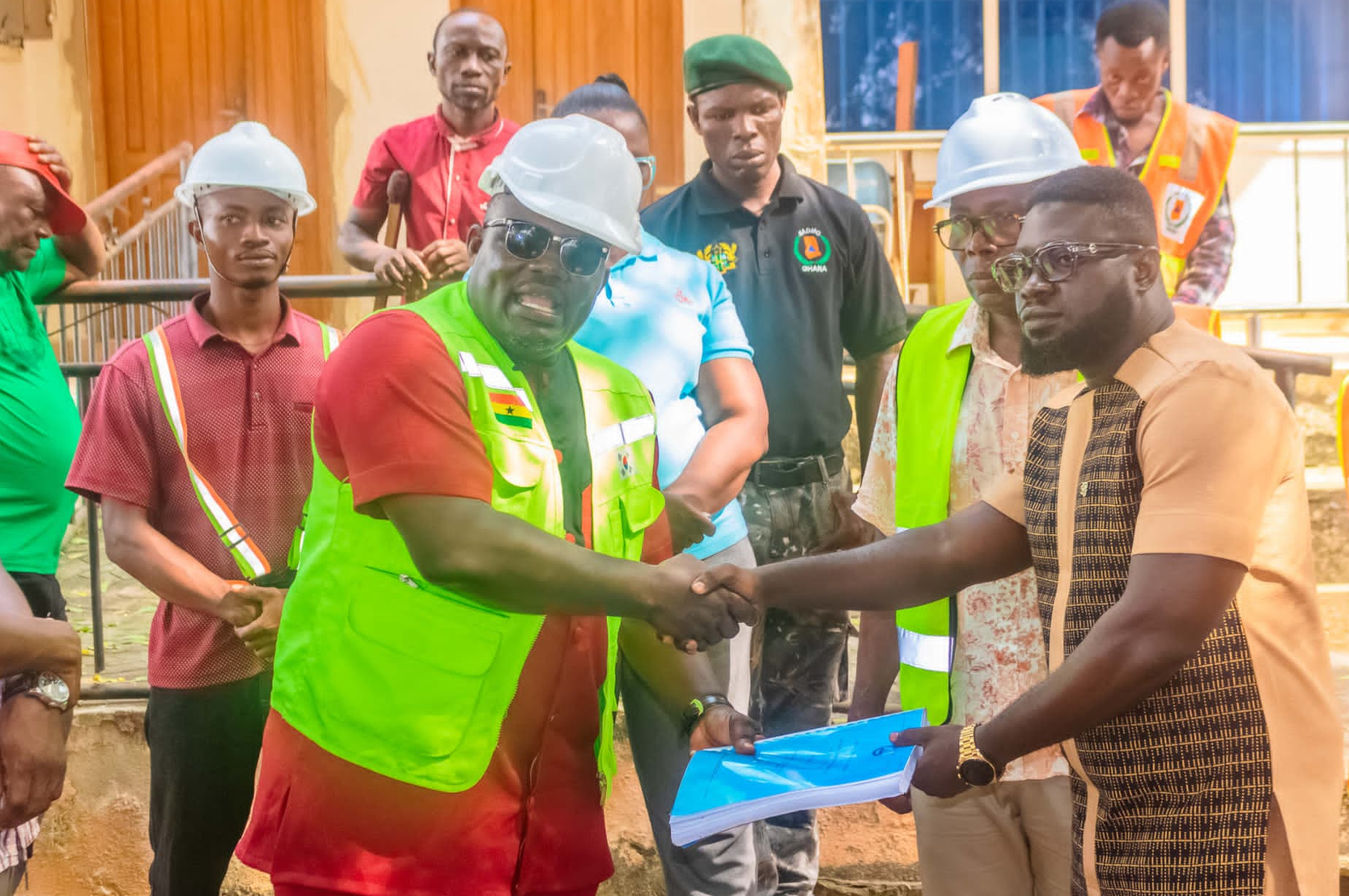
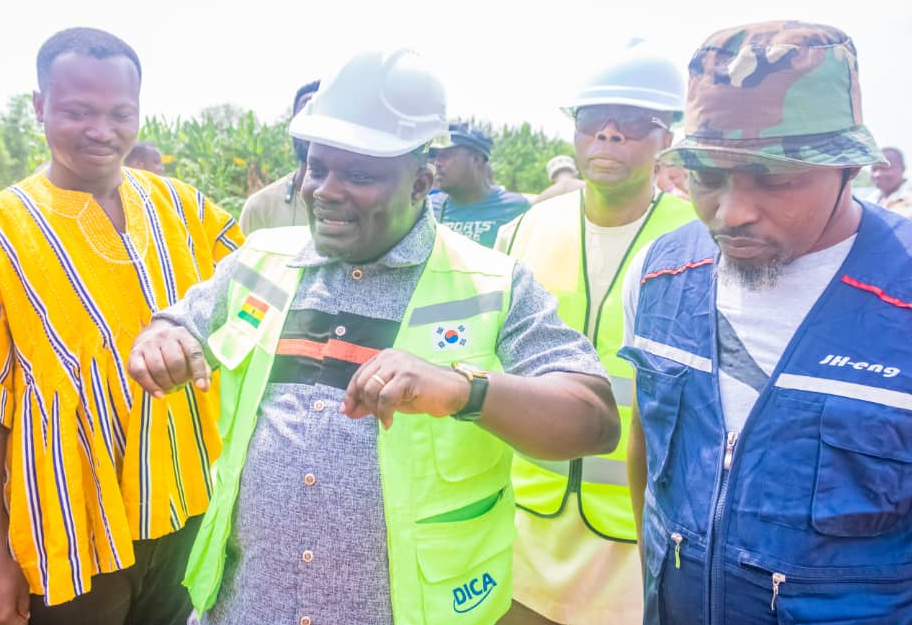
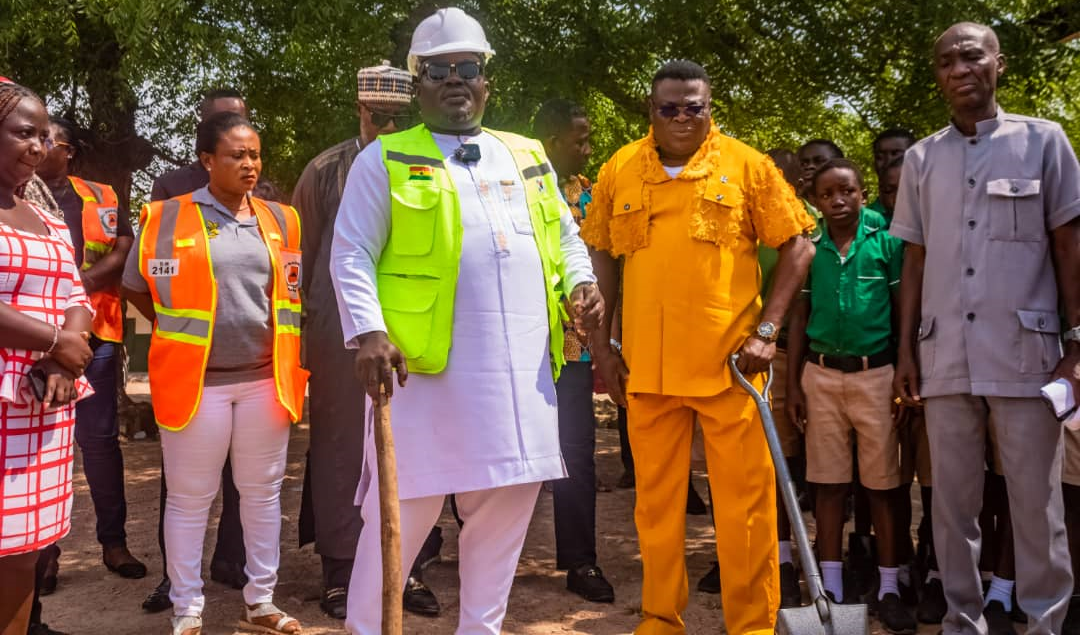
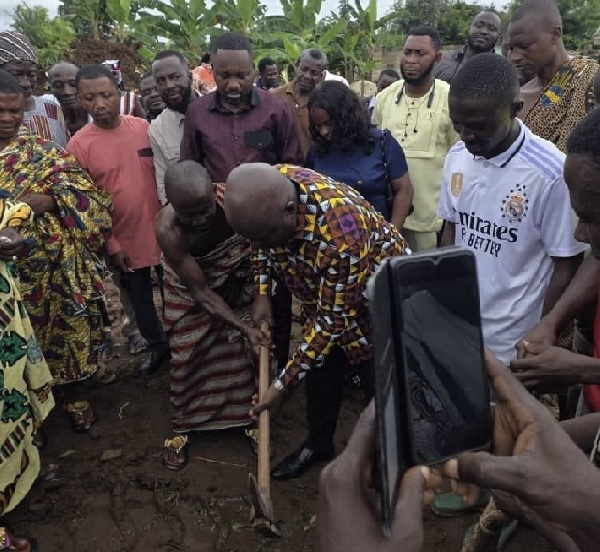
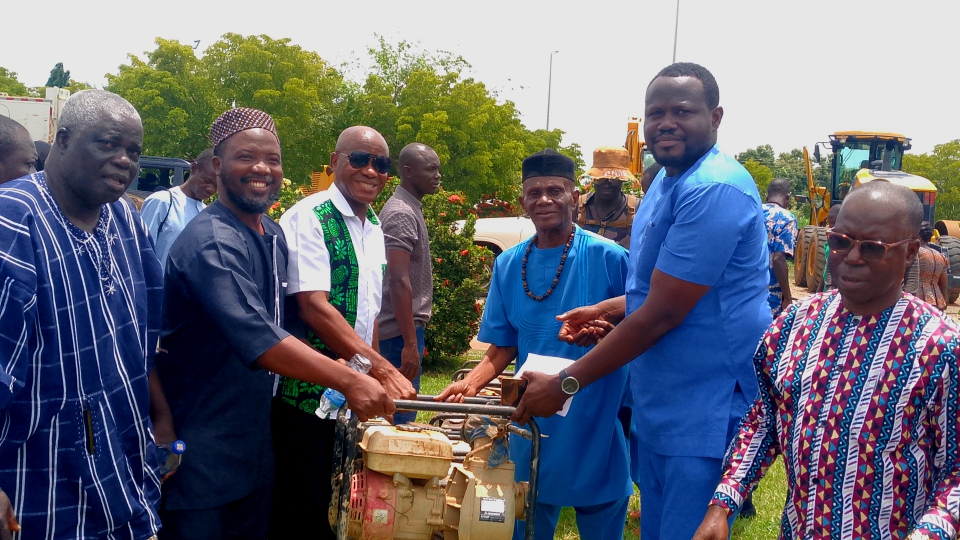
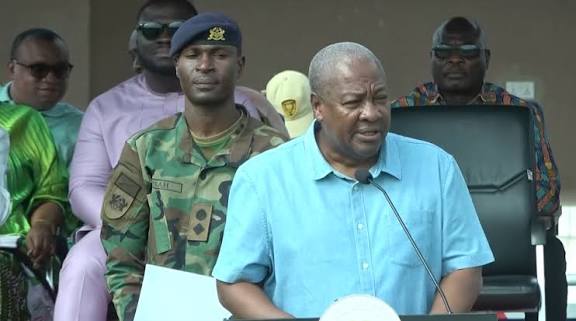
Over the years, district authorities and political leaders have undertaken road reshaping and rehabilitation projects in some communities. These interventions have provided temporary relief and improved mobility in selected areas. Efforts by district leadership and recent appeals for road upgrades demonstrate recognition of the problem. (Modern Ghana)
However, many residents argue that grading and reshaping alone are not sustainable solutions. Roads that are reshaped today often deteriorate again after a few months of heavy rainfall.
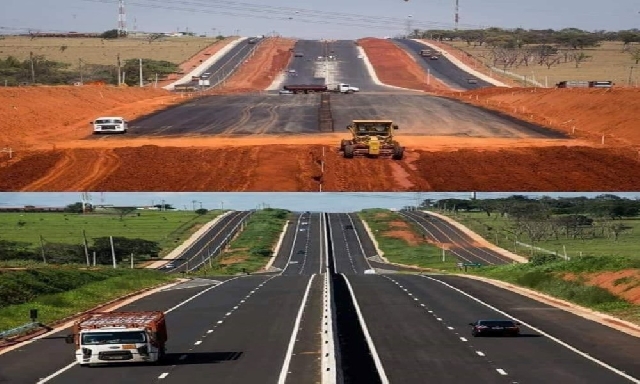
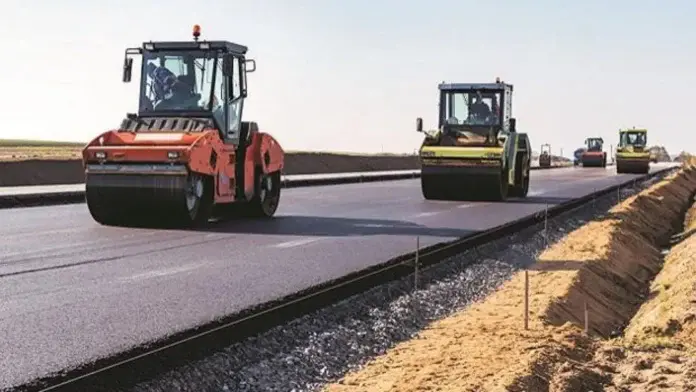
What Wassa Amenfi Central needs is a long-term infrastructure strategy that includes durable road construction, drainage systems, routine maintenance, and dedicated funding mechanisms.
A National Development Issue, Not Just a District Problem
The condition of roads in Wassa Amenfi Central should not be viewed as a local issue alone. It is a national development concern.
Every bag of cocoa delayed on a poor road affects Ghana’s agricultural value chain. Every farmer unable to reach a market affects food security. Every child struggling to get to school affects the nation’s human capital development. Every patient delayed by bad roads represents a public health challenge.
Development experts consistently emphasize that road infrastructure is one of the strongest drivers of economic transformation because it connects producers to markets, workers to jobs, and communities to essential services. Without reliable roads, the benefits of development remain unevenly distributed. (CAF)

A Call to Action
The people of Wassa Amenfi Central are not asking for special treatment. They are asking for the infrastructure necessary to unlock the district’s potential.
As Ghana pursues national development and economic transformation, districts such as Wassa Amenfi Central must not be left behind. The government, development partners, private sector stakeholders, and local authorities must work together to prioritize strategic road investments that will connect communities, support farmers, improve healthcare access, and stimulate economic growth.
The district possesses the resources, the people, and the ambition to thrive.
What it needs now are roads capable of carrying that ambition forward.
Until that happens, Wassa Amenfi Central will remain a powerful example of how a lack of infrastructure can hold back the development of an entire district, regardless of its natural wealth and economic promise.
Discover more from Hot Stories Ghana
Subscribe to get the latest posts sent to your email.