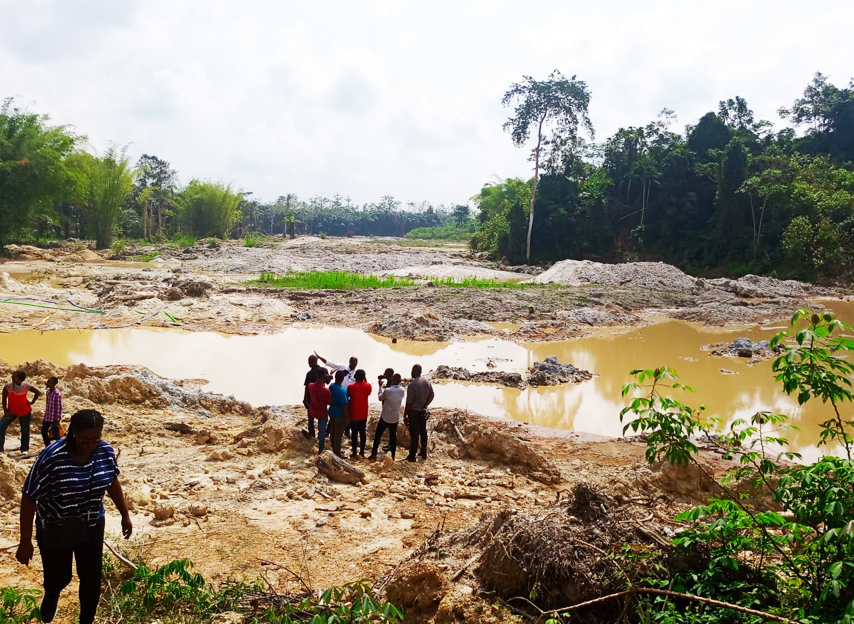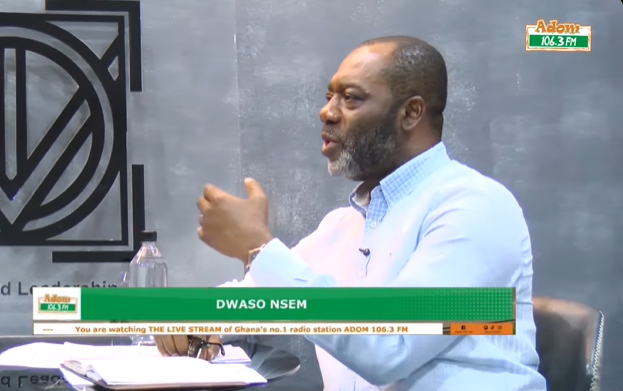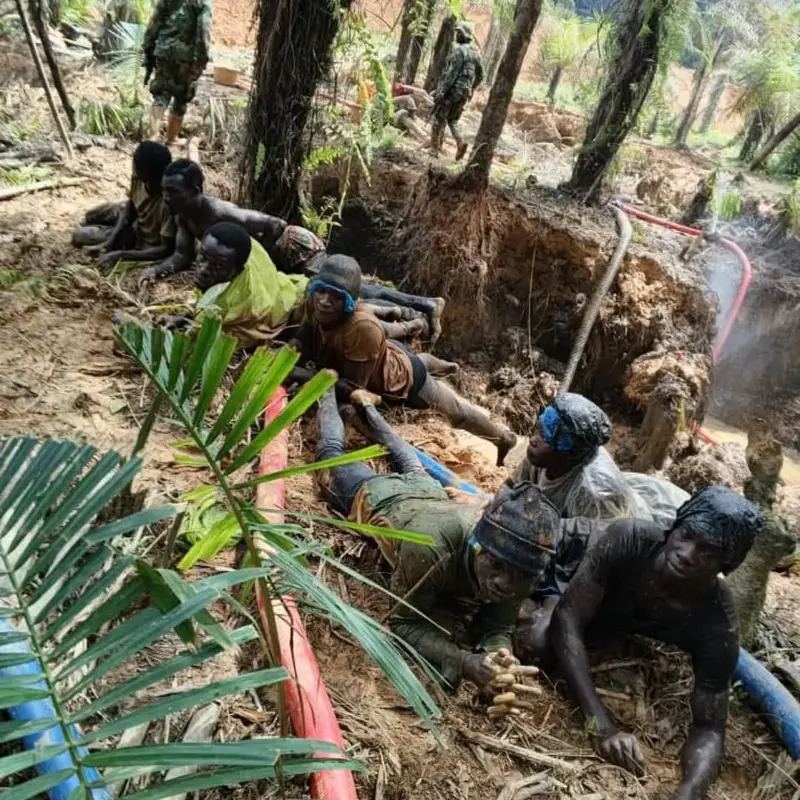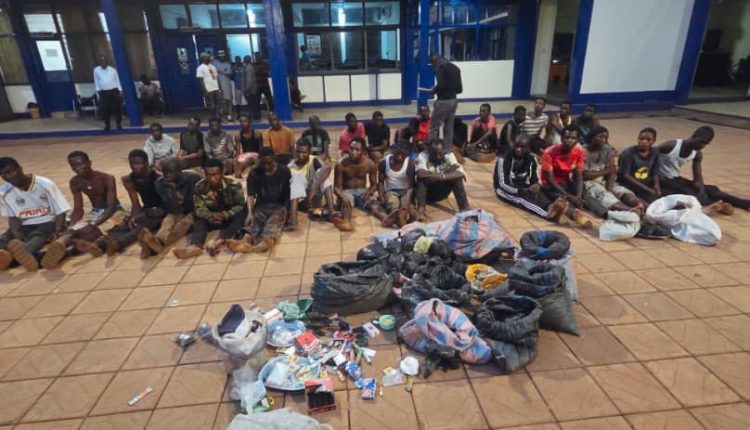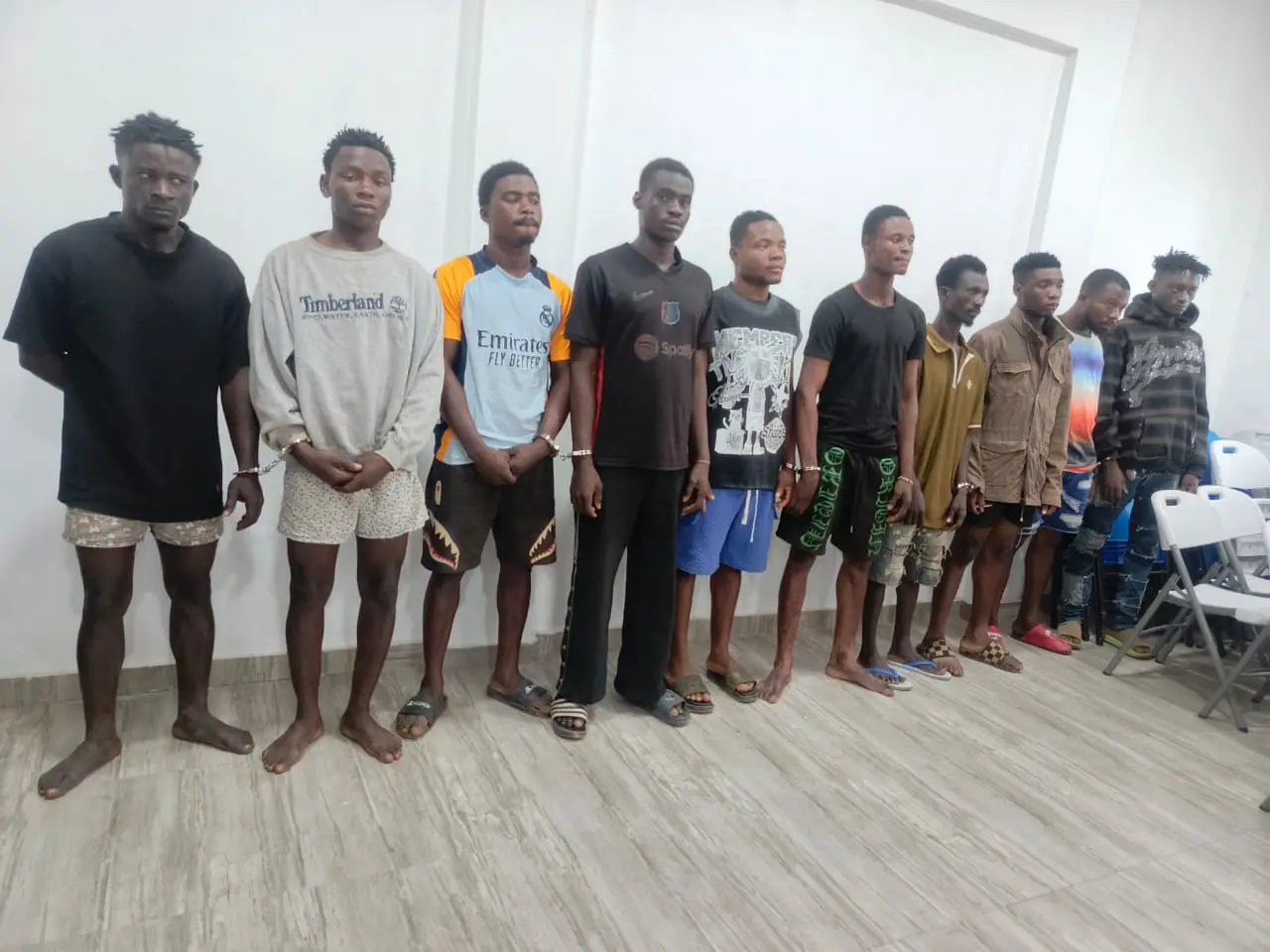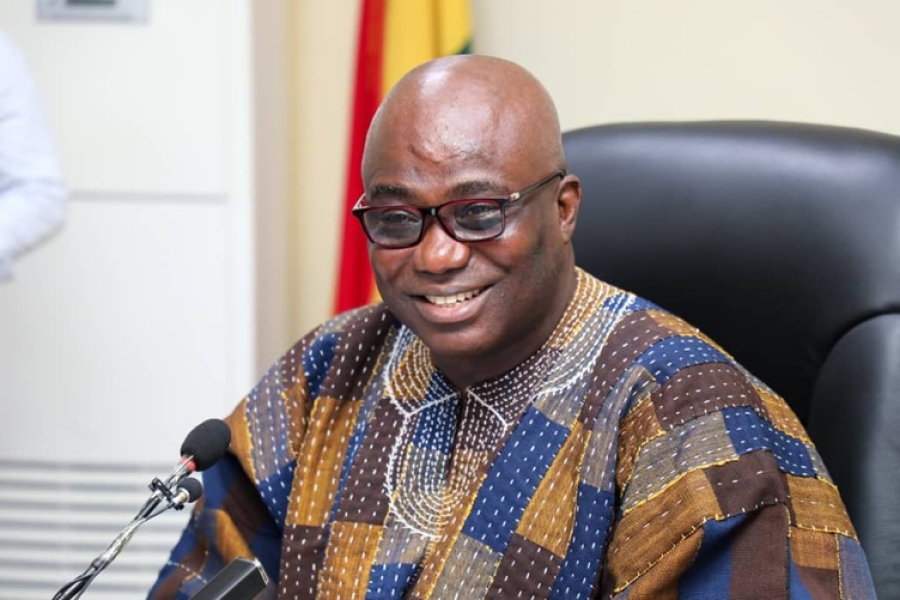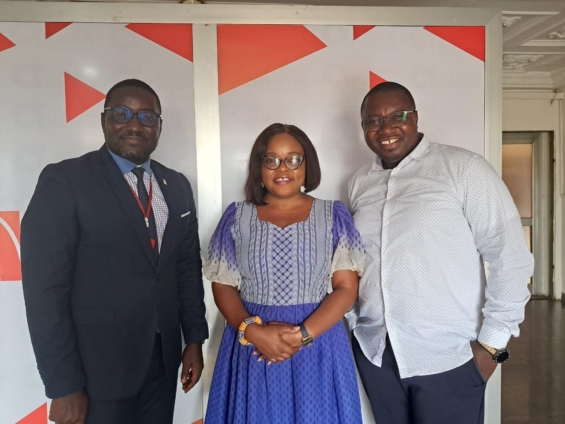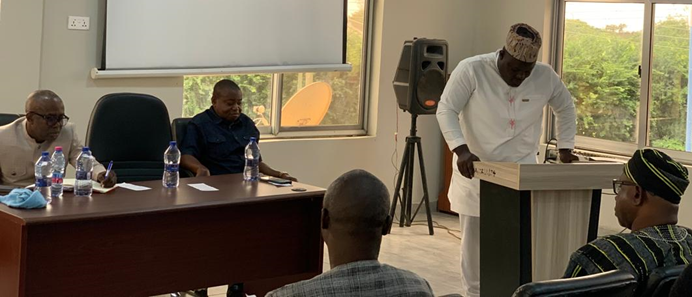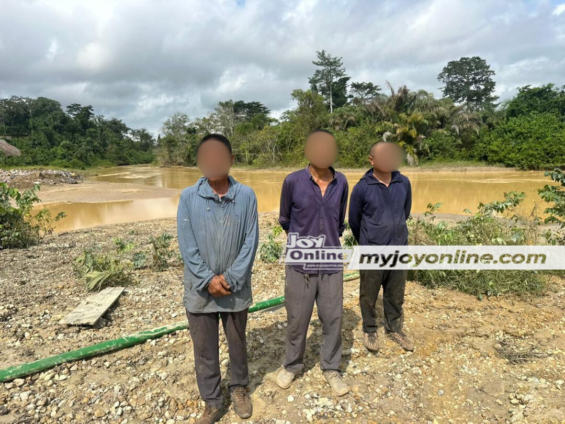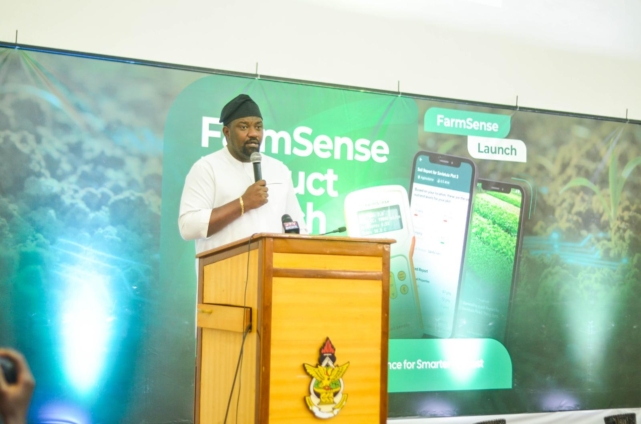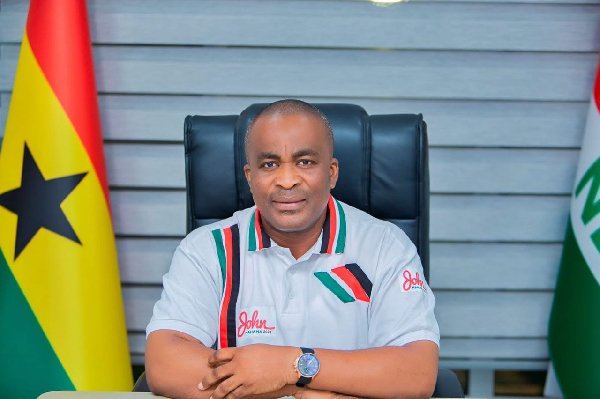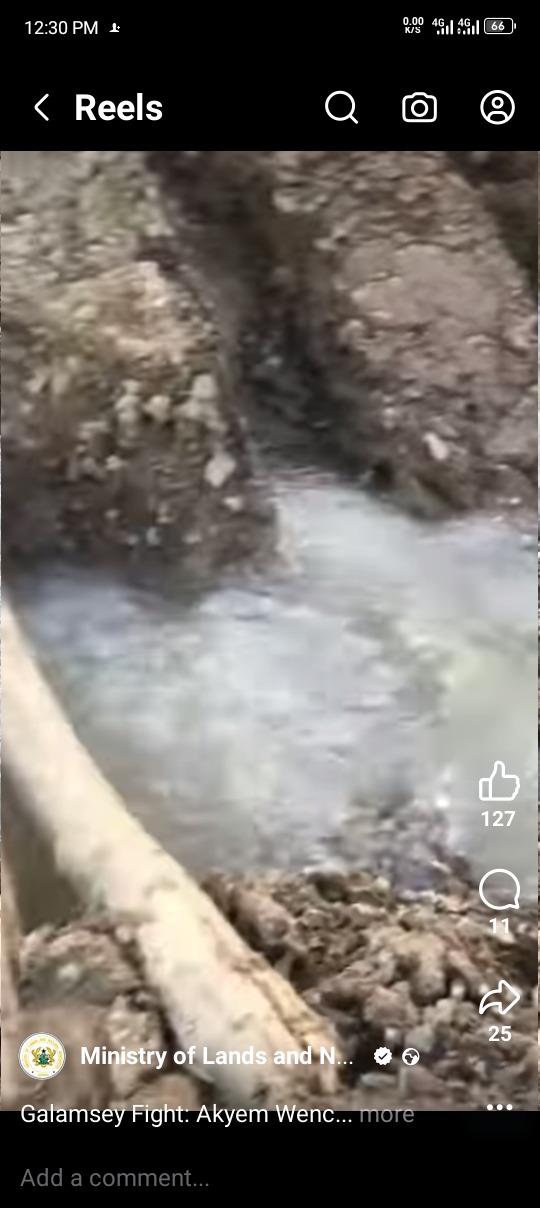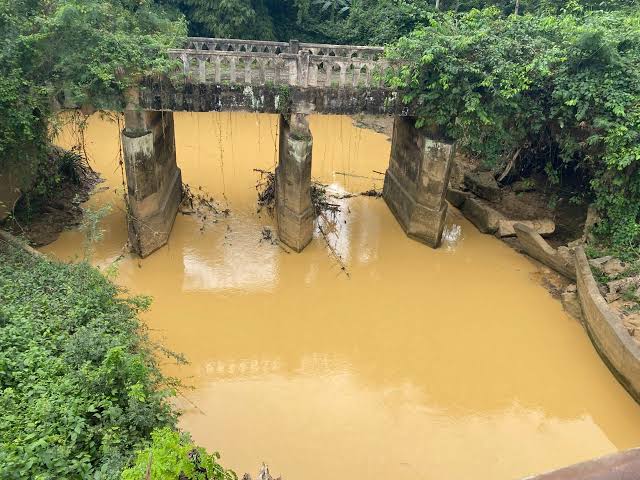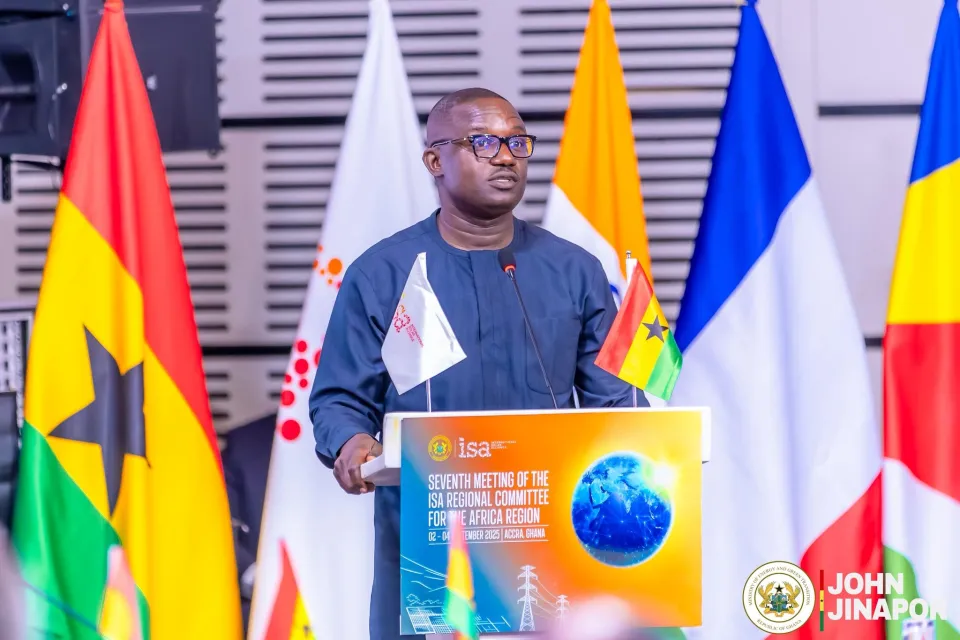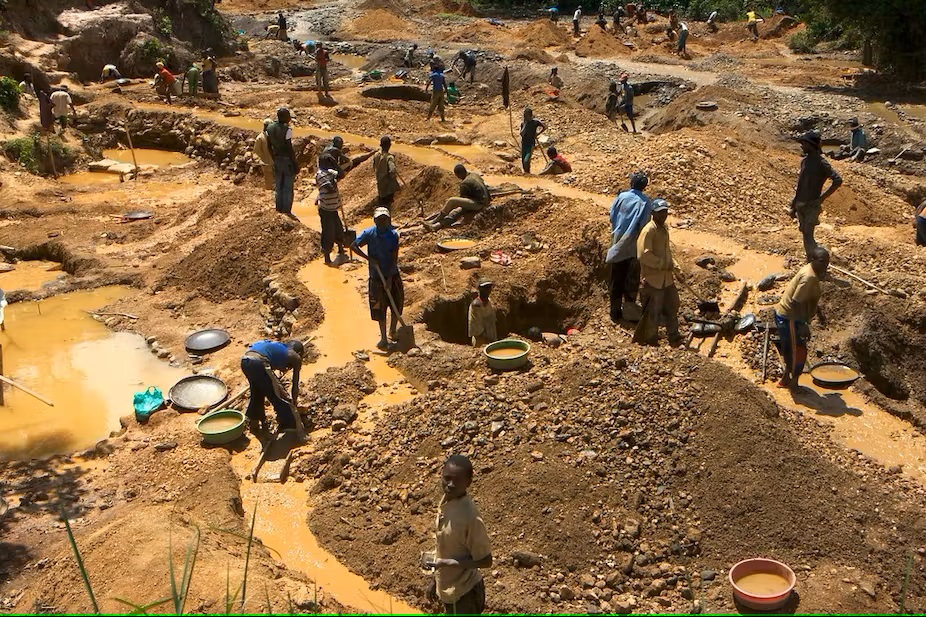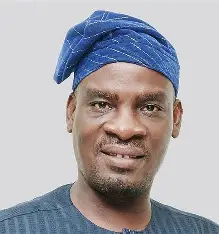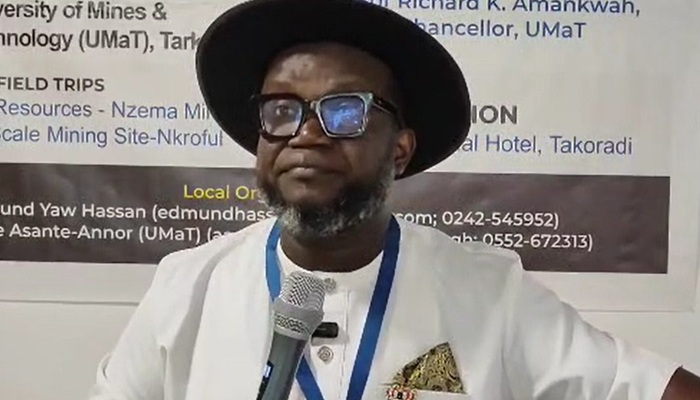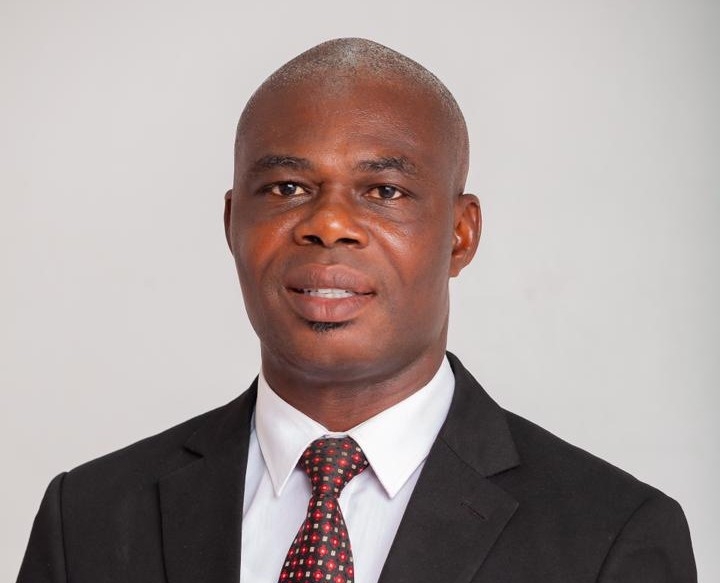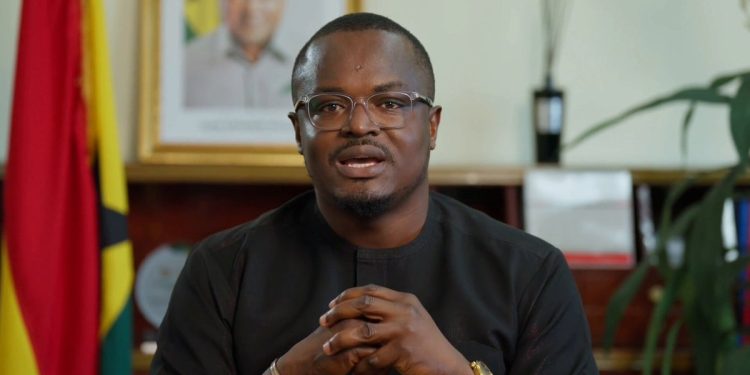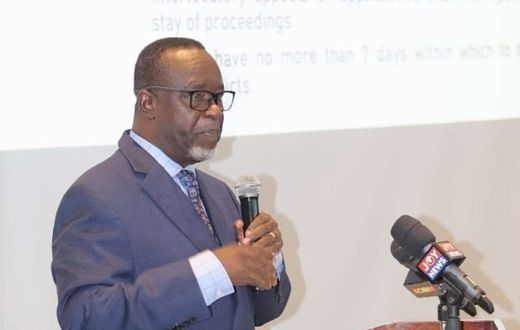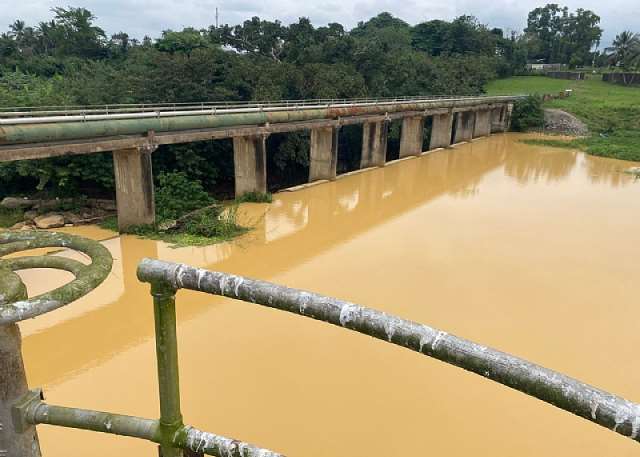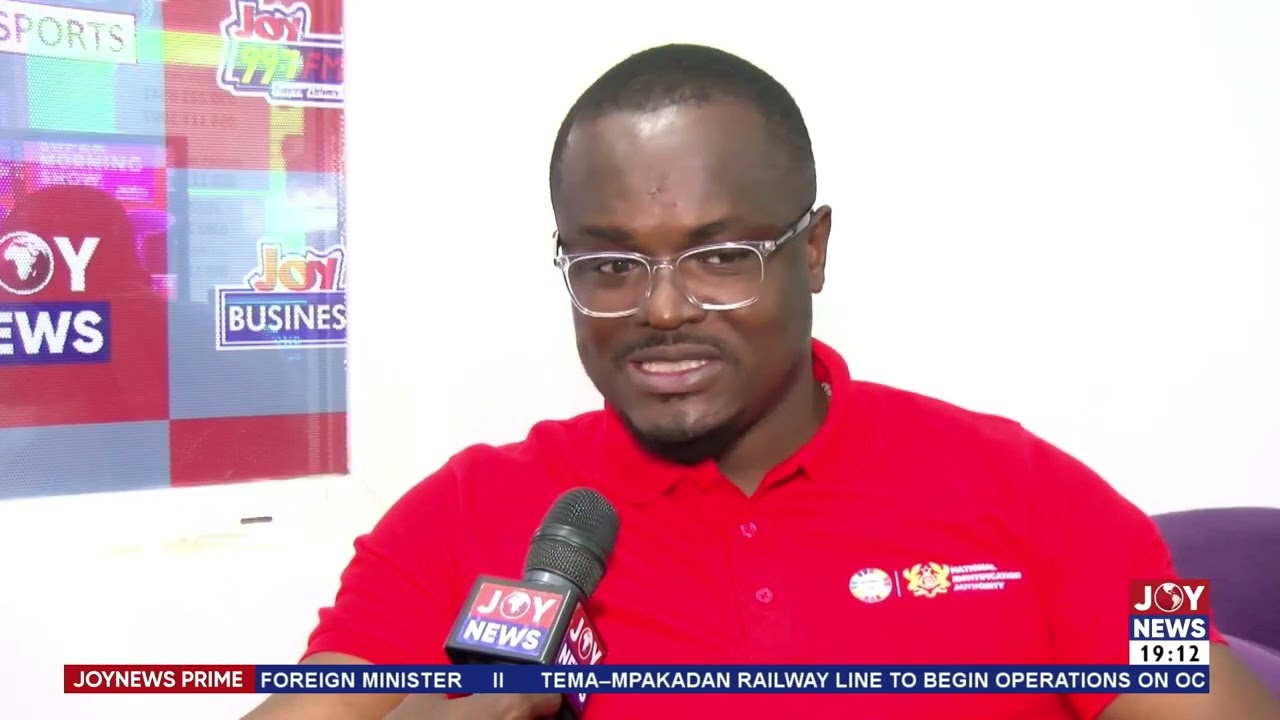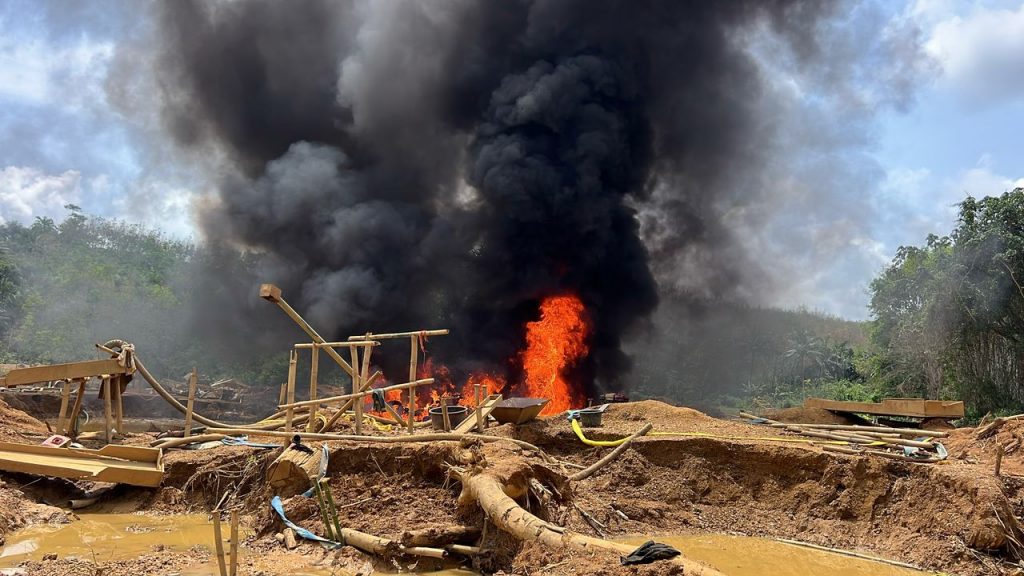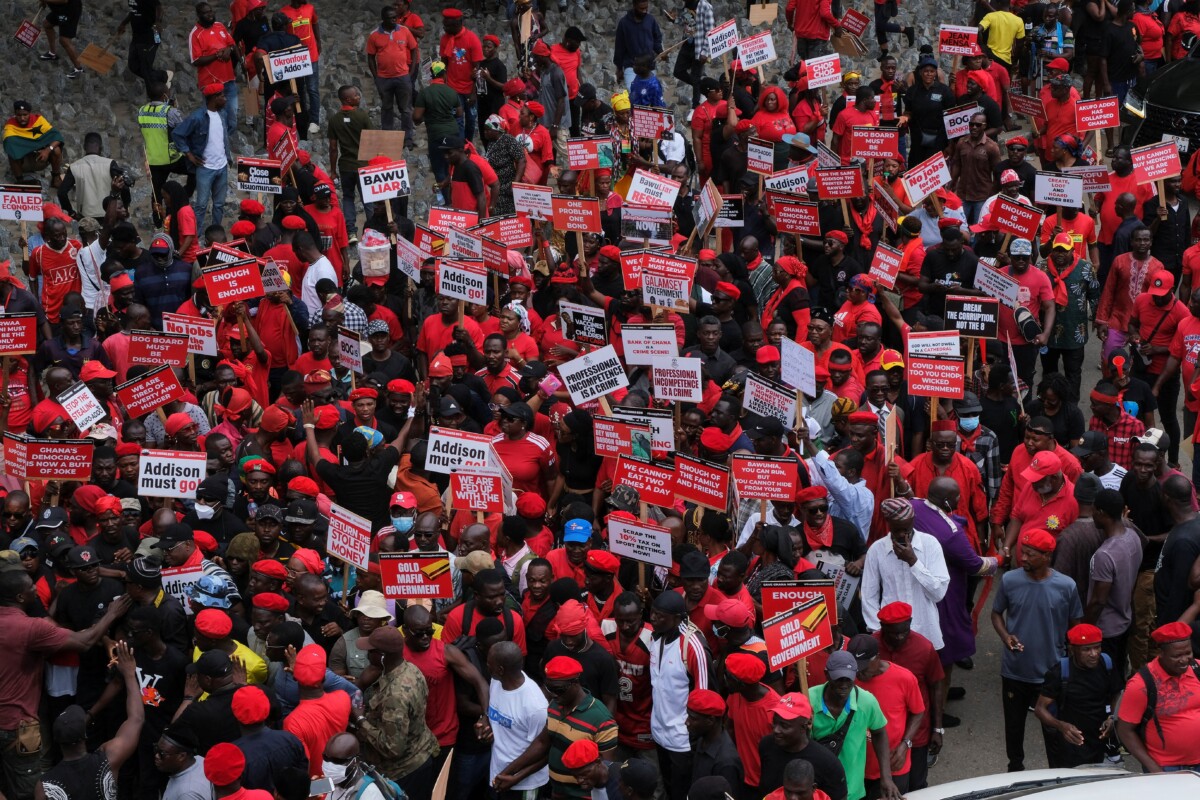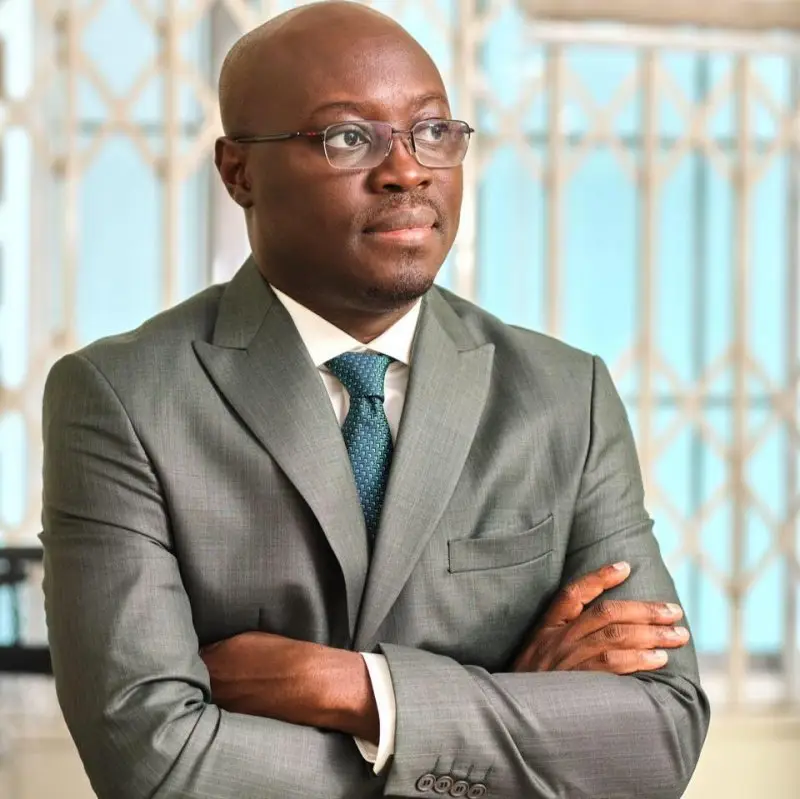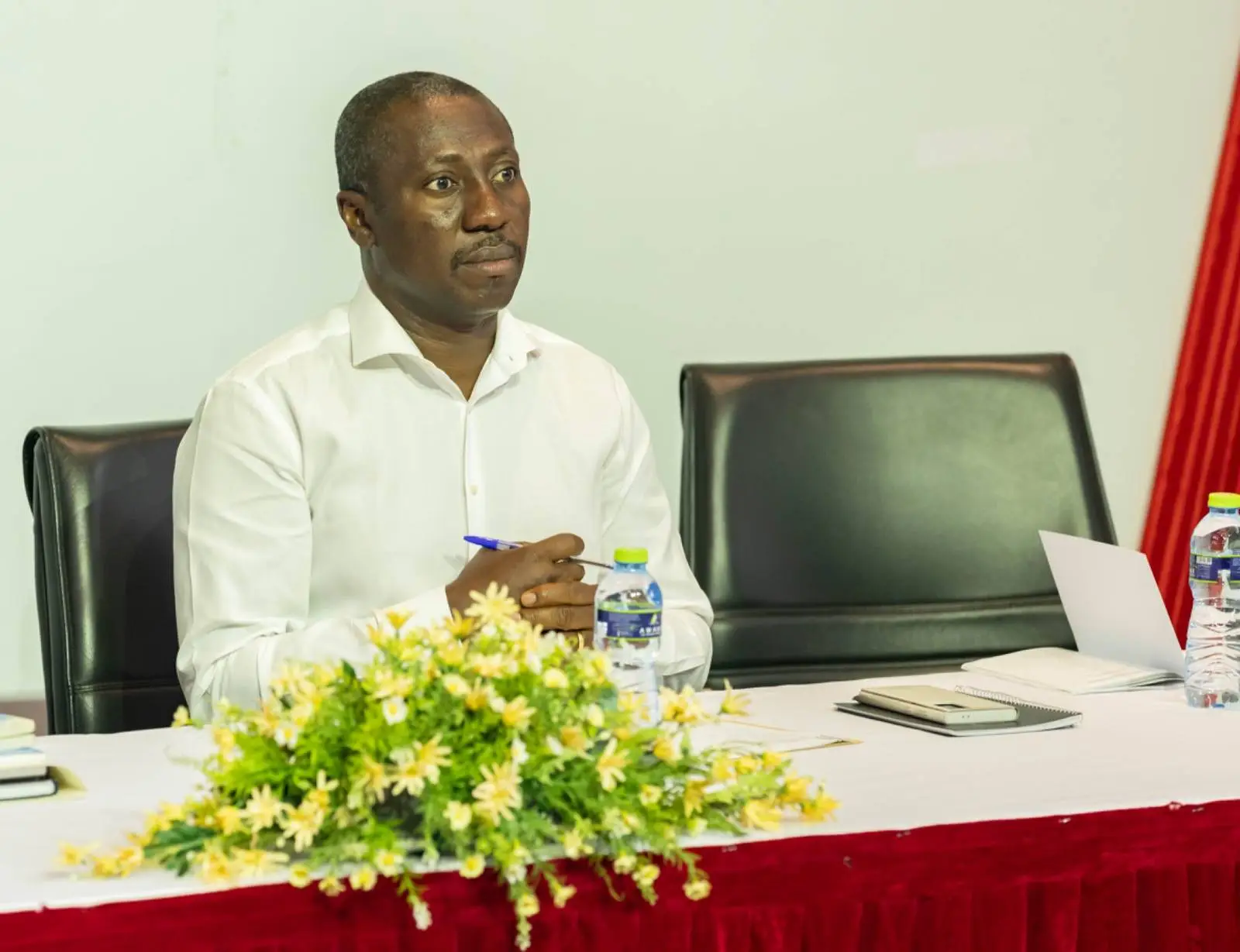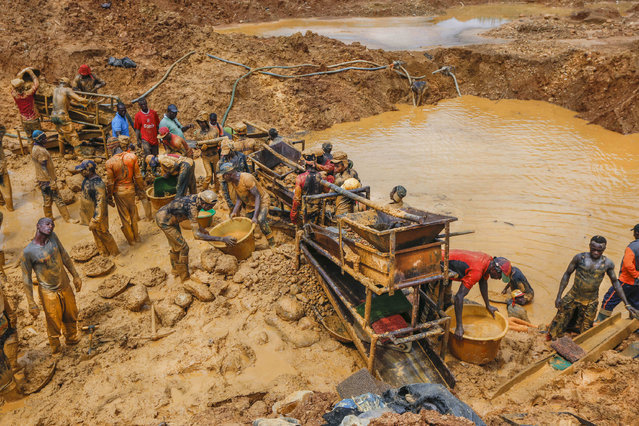
Development Communication expert Dr. Bismark Odum-Sackey has criticised Ghana’s approach to tackling illegal mining, popularly known as galamsey, arguing that the country continues to politicise and trivialise serious national issues instead of addressing their root causes.
Speaking on the issue, Dr. Odum-Sackey said Ghana has developed a culture of discussing major national problems without implementing sustainable solutions.
“The country jokes and plays with our most pressing issues. The issues we are discussing today are not new. We keep talking about them, yet little is done, and we have normalised this culture,” he stated.
According to him, the fight against galamsey must move beyond political rhetoric and focus on understanding the underlying causes of the problem.
“We need to analyse the root causes because that is the only way the entire problem can be uprooted. Galamsey should not be politicised,” he stressed.
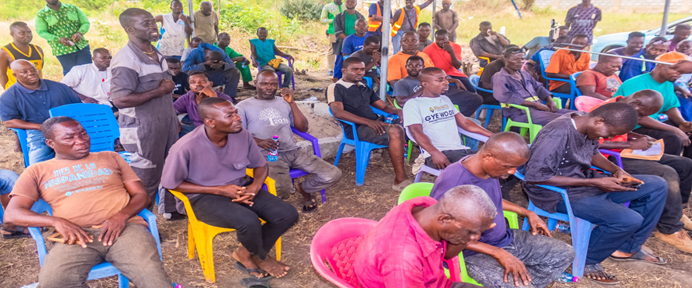
Dr. Odum-Sackey argued that policies designed in Accra without consulting mining communities are unlikely to succeed.
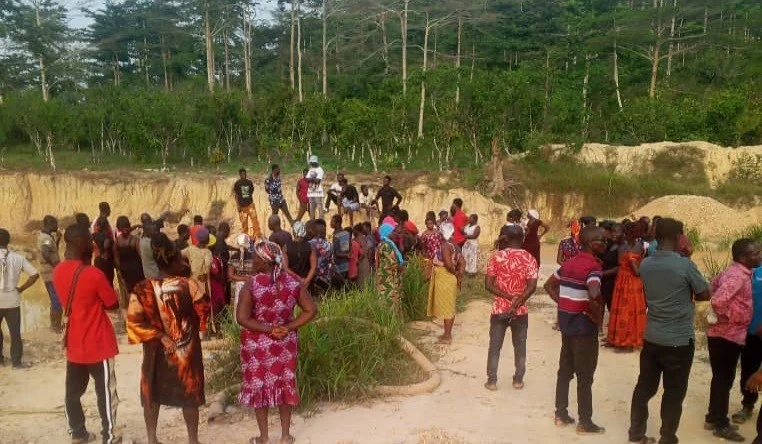
“People cannot sit in Accra and propose solutions to galamsey problems in mining communities located far away from the capital. The solutions lie with the people within the mining areas themselves,” he said.
He noted that some miners operate responsibly and could be used as examples to reform the sector.
“There are people mining responsibly, and authorities can leverage on such individuals to help others learn better practices,” he explained.
The communication expert added that mining itself is not a new activity in Ghanaian society, but the destructive methods currently being used require urgent attention.
“Galamsey existed even during the time of our ancestors, but they were not destroying natural resources the way we see today. We need to study what has changed and regulate the sector accordingly,” he stated.
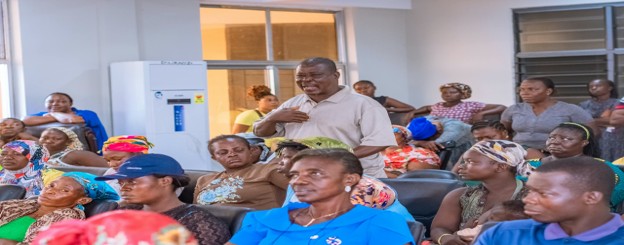
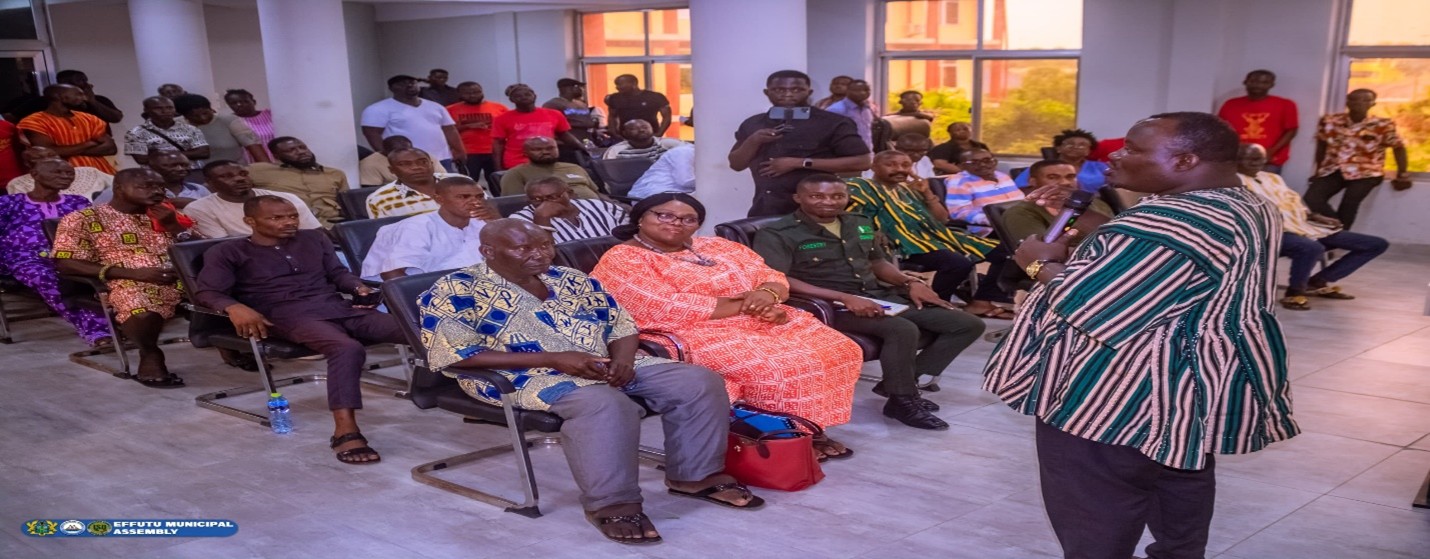
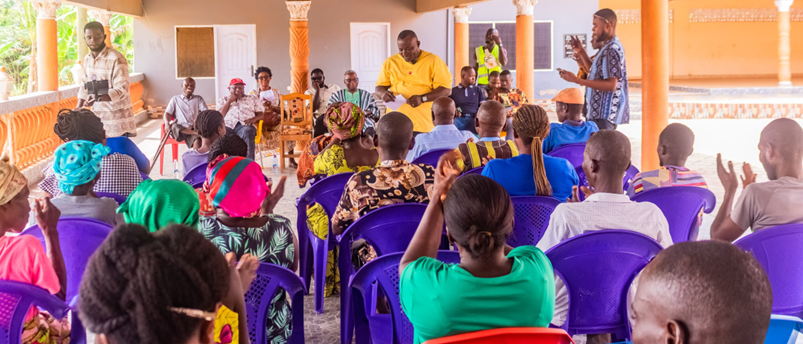
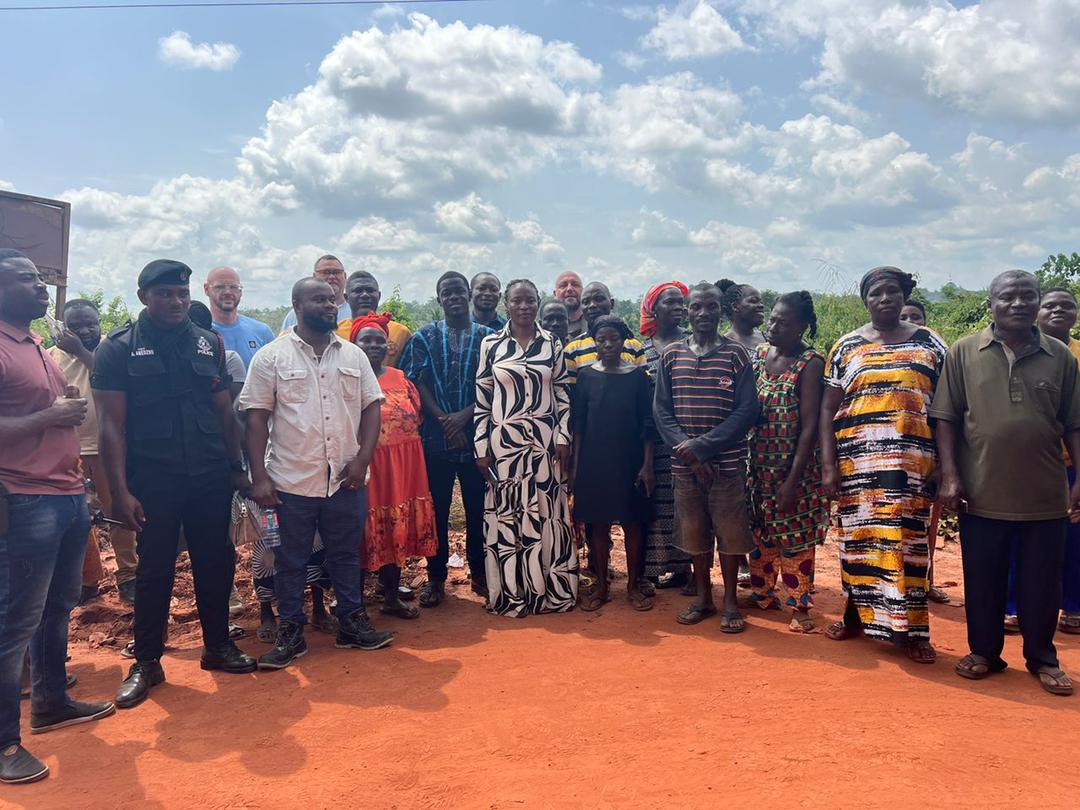
Dr. Odum-Sackey further called for extensive stakeholder engagement within mining communities to help formulate practical and accepted solutions.
“Proper stakeholder engagement will allow the people themselves to express their concerns and contribute ideas toward solving the problem,” he noted.
He warned that relying solely on laws and security interventions may not be enough to end illegal mining.
“The issue is not only about security. There are related social problems including prostitution and other social vices in these communities,” he added.
According to him, government must also consider the economic realities of residents in mining communities because galamsey serves as a major source of livelihood for many families.
“If the country is generating significant revenue from the sector, why can’t we also invest significantly into improving and regulating it?” he questioned.
He cautioned that declaring galamsey a “war” without addressing livelihood concerns would make the fight difficult for any government.
“No government can completely fight it as a war because it remains a source of income for many households in those communities,” he argued.
Dr. Odum-Sackey also referenced a report by the Media Foundation for West Africa, which alleged that proceeds from illegal mining are sometimes used to finance political activities.
“Last year, the Media Foundation reported that some galamsey operators use their proceeds to support politicians, making it difficult for political leaders to fight the problem because they become indebted to them,” he claimed.
He concluded by stressing that the focus should now shift toward collaborative and community-driven solutions.
“The focus should now be on how best the issue can be solved, and it must be done together with the people directly affected,” he stated.
Discover more from Hot Stories Ghana
Subscribe to get the latest posts sent to your email.